A massive new leisure resort is on the way to Manchester.
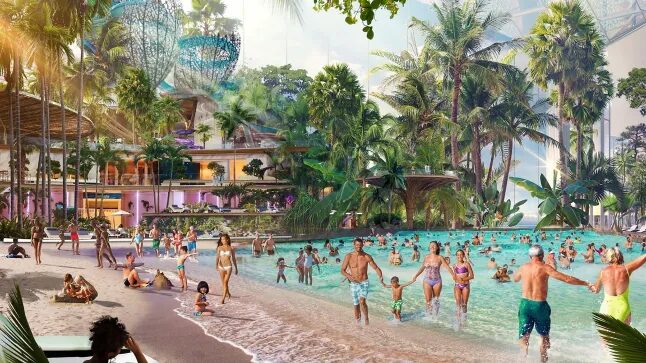
It looks pretty impressive, and if it delivers on what’s being promised, it won’t just be another day out option. It could become one of the biggest attractions in the country, drawing millions of visitors every year.
The project, known as Therme Manchester, is being built next to the Trafford Centre and is designed as a year-round indoor destination. It’s being positioned as something much bigger than a typical water park, blending entertainment, relaxation, and wellness into one large, all-weather experience.
It’s far bigger than people expect at first.
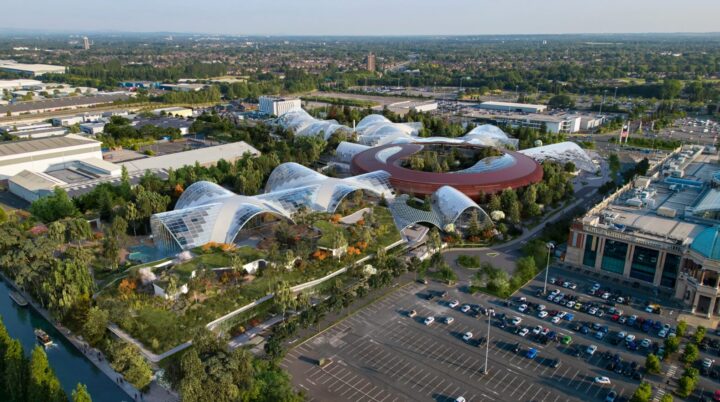
At a glance, it’s easy to assume this is just a new leisure complex with a few pools and slides. In reality, the scale is what sets it apart. The site is enormous, covering an area similar to dozens of football pitches, which immediately puts it in a different category from most UK attractions.
This isn’t being built as a quick-stop venue. It’s designed as a place where people spend hours, or even an entire day, moving between different areas. That alone explains why it’s already being talked about as potentially the UK’s biggest paid attraction.
It’s not just a water park.
The water-based attractions will be one of the biggest draws, with plans for multiple pools, slides, and indoor beach-style areas. That side of it will clearly appeal to families and groups looking for something fun and active.
However, the project goes much further than that. There are also plans for spa-style spaces, saunas, relaxation areas, and landscaped indoor gardens. It’s aiming to attract adults as much as children, which gives it a much broader appeal than a typical family attraction.
The well-being angle is a big part of the pitch.
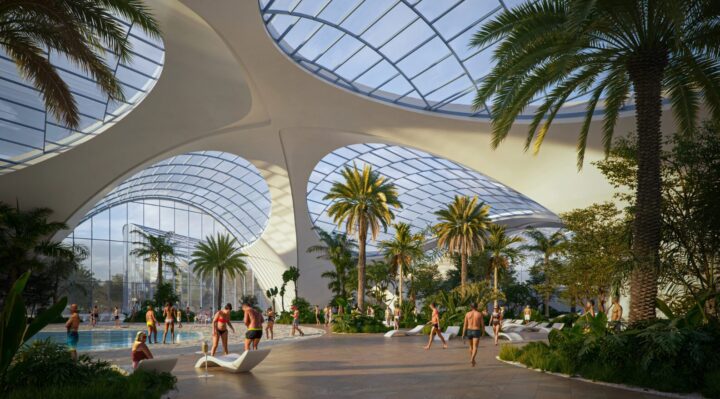
One of the key ways this resort is being marketed is as a well-being destination, not just a place to have fun. That includes thermal pools, relaxation zones, and spaces designed more for unwinding than activity.
This reflects a wider trend. People are increasingly looking for experiences that combine leisure with relaxation, rather than choosing one or the other. The resort is clearly trying to tap into that shift by offering both in one place.
It’s being built in a very strategic location.
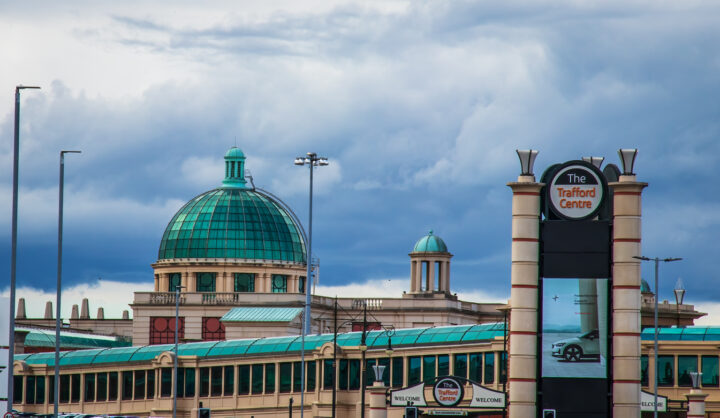
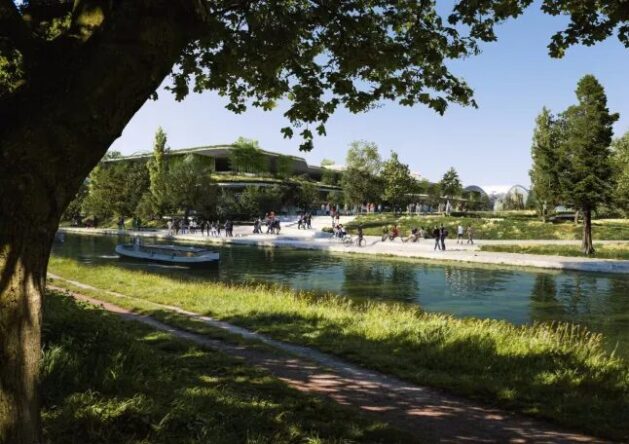
Placing the resort next to the Trafford Centre is no accident. That area already attracts millions of visitors each year for shopping, food and entertainment, so the footfall is already there.
By adding a large-scale resort into that mix, the aim is to turn the area into a full-day destination rather than somewhere people pass through for a few hours. It’s about keeping visitors there longer and giving them more reasons to come back.
The cost has grown significantly since its inception.
This project has been in the works for a while, and like many large developments, the cost has increased as plans have evolved. What started as a smaller proposal has grown into something much more ambitious.
That rising cost reflects how the project has changed. It’s no longer being positioned as a simple attraction, but as a major long-term investment that’s expected to shape the local area and bring in large numbers of visitors.
It’s expected to bring jobs and economic impact.
Beyond the visitor experience, there’s a strong economic case behind the development. Large projects like this tend to create jobs during construction and once the site is open.
For Manchester and the surrounding area, it’s being seen as a way to boost tourism and increase spending locally. That wider impact is one of the reasons it has continued to move forward despite delays.
There have been delays, and it’s still not opening soon.

Like many large-scale developments, this one hasn’t moved quickly. Planning changes, redesigns and external factors have all slowed progress over time.
Construction is now underway, but the opening is still a few years away. At the moment, it’s expected to be completed towards the end of the decade, which means this is still a future attraction rather than something people can visit any time soon.
There are questions around sustainability.

A project of this size naturally raises concerns, especially when it involves large indoor spaces, heated pools and high energy use. Those kinds of features don’t immediately sound environmentally friendly.
The developers have said the design will include more efficient systems and ways to reduce water and energy use. Whether that fully addresses concerns is something that will likely continue to be debated as the project develops.
It could change what people expect from UK attractions.

If it works, this won’t just be another new place to visit. It could shift expectations around what a day-out experience in the UK looks like, especially when it comes to indoor, all-weather attractions.
Having something on this scale outside of London is also significant. It reflects a growing focus on regional destinations that can compete on a national level, rather than relying on the capital for major attractions.
So, will it be worth the hype?
Right now, it’s still too early to say for certain. The plans are ambitious, and the scale is undeniable, but a lot depends on how well it’s delivered and how accessible it ends up being for visitors.
What’s clear is that it’s aiming to be more than just a local attraction. If everything comes together, it could become one of the biggest and most talked-about leisure destinations in the UK.