
Leaving a religion doesn’t always mean leaving your faith. For a lot of people, the sentence “I left the church, not God” puts words to something that’s been sitting in them for years. It’s not rebellion or bitterness; it’s a realisation that the structure that once brought comfort now feels like a barrier. And more and more, people are starting to talk about the space that opens up when you walk away from organised religion but still hold onto something bigger.
1. The rules started to matter more than the message.
What draws people in is often the warmth, the community, the hope. Sadly, somewhere along the line, it can start feeling like you’re being judged more for breaking a rule than for being a kind human being. When it starts to feel like the “shoulds” outweigh the actual spirit of love or compassion, it’s hard to stay connected.
This is where a lot of people part ways. Their beliefs don’t usually vanish, but they no longer see the structure reflecting what they actually believe in. The connection to God stays. The rulebook? Not so much.
2. They felt more shame than peace.
Church is meant to be a place of comfort. But for many, it becomes somewhere they leave every week feeling worse about themselves. When sermons focus more on guilt than growth, it chips away at your sense of belonging. Eventually, some decide that if they’re going to believe in something bigger, it needs to come with grace, not constant self-criticism. Letting go of the church becomes a way of holding onto peace instead of shame.
3. They outgrew the version of God they were taught.
Some people are raised with a very specific image of who or what God is: often stern, punishing, or distant. However, as they get older and go through real-life stuff, that version doesn’t quite fit anymore. They might still feel connected to a sense of something sacred, but it’s not the same as the one they were handed as a kid. Leaving the church is sometimes just about updating their beliefs to match who they’ve become.
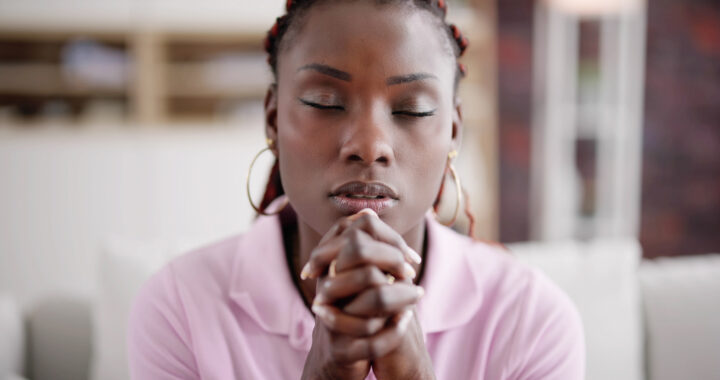
4. The community didn’t feel safe anymore.
For all the talk of love and acceptance, many people secretly feel judged, excluded, or silenced inside religious spaces. Whether it’s about sexuality, mental health, family choices, or just not fitting the mould, they start to feel like outsiders in a place that’s meant to welcome everyone. Eventually, the cost of staying quiet or hiding who they are becomes too much. They leave not because they’ve lost faith, but because they need space to breathe and be honest.
5. They wanted a deeper, more personal relationship with God.
Some people leave the church not because they’ve stopped believing, but because they want something more direct. The rituals and routines can start to feel like they’re standing in the way instead of drawing them closer. In stepping away, they often find a more intimate connection: praying in their own way, finding meaning in silence, nature, or everyday life. For them, the distance from the building makes the spiritual bond feel clearer.
6. They saw too much hypocrisy.
It’s hard to keep showing up when the people preaching kindness don’t practise it. When the loudest voices in the room are cruel online, gossiping behind backs, or turning faith into politics, it breaks something. A lot of people still believe in the core values of their religion, but they can’t stomach the way those values are being used. So they leave the space, not the belief behind it.

7. Spirituality started showing up elsewhere.
Sometimes people stumble into a sense of awe or connection where they least expect it: in music, conversations, books, art, or being out in nature. And it starts to feel more real than anything they ever found sitting in a pew. That feeling sticks. It grows. And eventually, they realise they don’t need the same setting anymore to feel something sacred.
8. They didn’t want their kids to inherit the same baggage
Parents who walk away often do it not just for themselves, but for their children. They don’t want their kids growing up feeling ashamed of who they are, or afraid to ask questions, or believing that God is angry with them. By stepping away, they’re trying to give their kids a different kind of faith, one built on curiosity, compassion, and inner trust instead of fear or obedience.
9. They realised it was okay to ask hard questions.
Many people were raised to see doubt as something dangerous. However, when life gets messy, simple answers stop working. And asking big questions becomes necessary, not rebellious. Some churches don’t leave space for those questions. So people go searching on their own, and in the process, discover a deeper kind of belief, one that allows room for mystery and uncertainty.

10. They wanted more freedom to be human.
Religion can sometimes come with a long list of expectations on what to wear, how to love, who to be. And that pressure to “get it all right” can become overwhelming, especially when life doesn’t follow a neat script. Leaving isn’t always about rejecting those values. It’s about choosing to grow into your own version of them. A version that leaves more space for being real, flawed, and evolving.
11. They still feel spiritual, just not religious.
There’s a growing group of people who don’t attend church but still talk to God, meditate, believe in something greater, or just try to live with meaning. Their spirituality is calm, personal, and often unlabelled. They’re not lost. They’re just not following the same path anymore. That doesn’t make their beliefs any less deep; it just makes them different.
12. They wanted to build their own moral compass.
Rather than following a fixed list of dos and don’ts, some people start trusting their own judgement. They ask: what feels right? What causes harm? What builds kindness? They’re trying to live with intention, not going rogue. For them, that feels more meaningful than simply following inherited rules.

13. They still carry pieces of their faith with them.
Walking away doesn’t always mean wiping the slate clean. Many people keep the stories, rituals, songs, or symbols that meant something to them. Those parts become personal souvenirs, reminders of a faith that still lives on in a quieter, more honest way. They left the church, not God. And in doing so, they often find something more lasting: a faith that feels like their own.
14. The sentence just feels true, even if they can’t explain it.
Some people don’t have a dramatic reason. They just know they couldn’t stay, but they also know they never stopped believing. Declaring that your departure is from the establishment rather than faith as a whole becomes a kind of home in itself. A simple truth when everything else feels hard to define. They may not have all the answers. But they’ve made peace with not needing them. Faith, for them, is much calmer now, but maybe stronger too.