Our teeth work remarkably hard for us every single day.

Unsurprisingly, by the time we reach our fifties, they’ve already handled decades of chewing, biting, and grinding. Even if you’ve looked after your oral health religiously since childhood, natural wear and tear inevitably starts showing up once you pass that milestone.
As we get older, our mouths go through subtle physical changes that can leave both teeth and gums far more vulnerable, often without triggering any immediate pain or obvious warning signs. Fortunately, most age-related dental issues can be prevented or slowed right down with a few straightforward daily habits and regular check-ups. Here’s a closer look at the most common changes to watch out for after 50, alongside practical ways to keep your smile strong and comfortable for years to come.
Gum disease can creep up quietly.
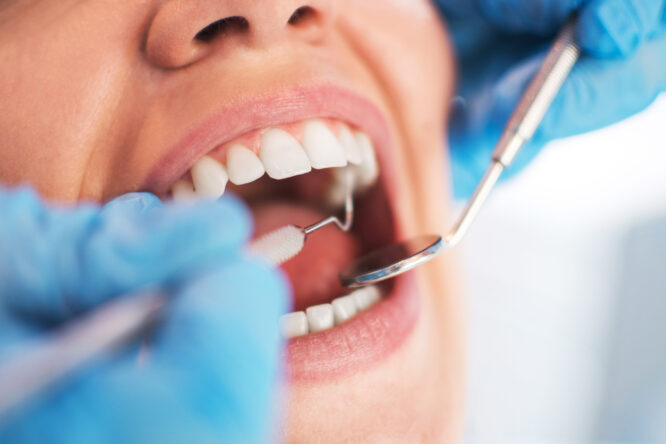
Gum disease is one of the most common reasons adults lose teeth, and it often develops without any pain. Early signs include gums that bleed when you brush, look red or swollen or feel tender. If it’s not treated, gum disease can damage the bone that holds teeth in place, causing them to become loose. It has also been linked to other health problems, such as heart disease and diabetes, so never ignore bleeding gums, and see your dentist if you notice any changes.
Enamel can’t grow back.
Enamel is the hard outer layer that protects your teeth, but once it’s worn away, it can’t repair itself. Years of eating and drinking acidic things, such as fruit juice, fizzy drinks and some sweets, can slowly wear it down. Grinding or clenching your teeth, often during sleep, can also cause wear over time. If you notice your teeth looking shorter, flatter or more see-through at the edges, talk to your dentist, who may suggest a mouth guard to wear at night.
Gums can start to shrink back.
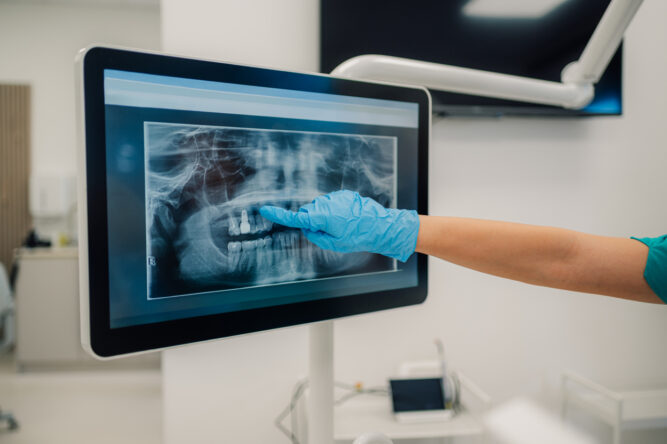
As we age, gums can slowly pull back from the teeth, exposing the softer root surface underneath. This can make teeth look longer and can lead to sensitivity when eating hot, cold or sweet foods. Brushing too hard can make this worse, so use a soft or medium brush and gentle movements. A toothpaste made for sensitive teeth can help ease discomfort, and your dentist can check whether any treatment is needed.
Dry mouth becomes more common.
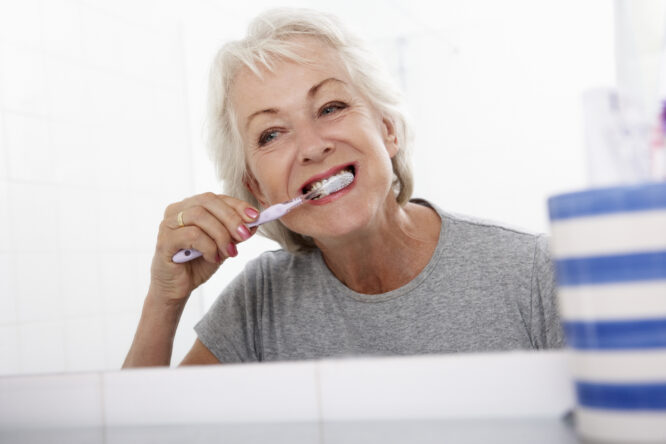
Saliva helps protect teeth by washing away food and neutralising acids, but many people produce less of it as they get older. Lots of common medicines, including some for blood pressure, depression and allergies, can also cause a dry mouth.
A dry mouth can increase the risk of tooth decay and gum problems. Sipping water regularly, chewing sugar-free gum and cutting down on caffeine and alcohol can help, and if you think a medicine is causing the problem, speak to your GP or pharmacist rather than stopping it yourself.
Old fillings and roots need watching.
Fillings, crowns, and other dental work don’t last forever, and many put in years ago may start to wear, crack or leak. Decay can sometimes develop around the edges of old fillings without causing any pain at first. Exposed tooth roots are also softer than enamel, which makes them more likely to decay. Regular check-ups mean your dentist can spot problems early, when they’re easier and cheaper to fix.
Keep an eye out for mouth changes.

The risk of mouth cancer rises as we get older, particularly for people who smoke or drink a lot of alcohol. Signs to look out for include a mouth ulcer that hasn’t healed after three weeks, red or white patches, or an unexplained lump in the mouth or neck. Dentists check for signs of mouth cancer during routine check-ups, which is another good reason to keep up your appointments. If you notice anything unusual that doesn’t go away, see your dentist or GP straight away.
A few daily habits can make a big difference.

Brush your teeth twice a day for around two minutes using a fluoride toothpaste, and spit out the toothpaste afterwards rather than rinsing with water, so the fluoride keeps working. Cleaning between your teeth once a day with small brushes or floss helps remove food and bacteria that a toothbrush can’t reach.
Try to keep sugary and acidic foods and drinks to mealtimes, rather than snacking on them throughout the day. If you’re at higher risk of decay, your dentist may prescribe a stronger fluoride toothpaste to give your teeth extra protection.
Keep up your dental visits.
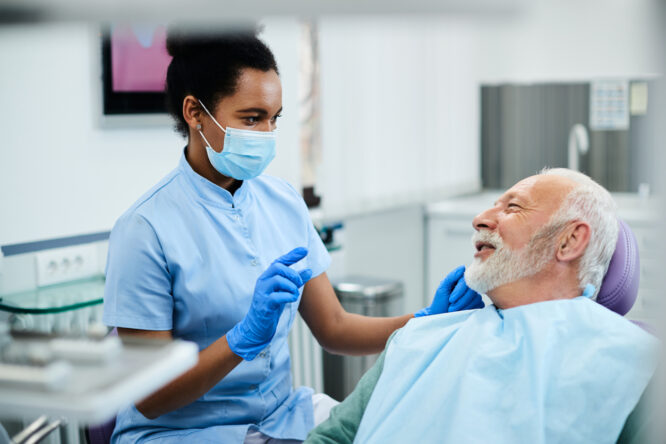
Regular check-ups are one of the best ways to catch problems early, before they become painful or expensive. Your dentist will tell you how often you need to go, which may be anything from every few months to once every two years.
Some people can get free NHS dental treatment, including those who receive certain benefits such as the guarantee part of Pension Credit. If you’re finding it hard to get an NHS dentist, the NHS website can help you find practices near you that are taking new patients.