Many people feel pressure to blend in, but apologising for not being like everyone else not only destroys your confidence, but it undermines all the weird and wonderful things that make you your unique self. Difference isn’t a weakness. In fact, it’s often the very thing that makes you memorable, capable, and fully authentic in the long run. Here’s how to start embracing the real you rather than feeling sorry about it.
1. Recognise where the habit comes from.
Constantly apologising often stems from childhood lessons or social expectations. If you were told to tone yourself down, it becomes second nature to apologise for simply being different. Understanding where this pattern started helps loosen its hold. Once you see it as a learned response, you can start choosing new ways of showing up.
2. Question the idea of “normal.”
The concept of being like everyone else is vague at best. What is considered normal changes depending on culture, age group, or social setting. When you see how flimsy the idea is, it becomes easier to let go of apologising for not fitting it. Normal isn’t a real standard, it’s just an illusion.
3. Replace apologies with ownership.
Instead of saying sorry for being different, try stating it as a matter of fact. Owning who you are without apology signals confidence to yourself and other people. That simple change makes a big difference. People usually respect someone who stands firm in their uniqueness more than someone who tries to soften it.
4. Get comfortable speaking without softening yourself.
Many people apologise automatically before sharing an opinion or preference. This habit makes it sound like your perspective is less valid than other people’s. Start dropping the “sorry” and speaking directly. Over time, it feels less intimidating, and your words carry far more weight when you don’t undercut them.
5. Notice the situations that trigger it.

You may apologise most in certain contexts, like work meetings, family gatherings, or social events. These are the spaces where you feel the most pressure to conform. Spotting patterns helps you prepare. Knowing where you shrink back allows you to step in with more awareness and less apology.
6. Replace “sorry” with gratitude.
Sometimes people apologise when what they really mean is “thank you.” Instead of saying, “Sorry I’m different,” try expressing appreciation for the space to be yourself. This small swap changes the tone completely. Gratitude reinforces connection without reducing your worth or implying that your differences are problems.
7. Build a support circle that values you.
Apologising is harder to unlearn if you’re surrounded by people who criticise differences. The wrong environment can keep you stuck in self-doubt. Pursue friendships and communities that embrace individuality. When people celebrate who you are, the urge to apologise fades naturally.
8. Focus on the strengths your differences bring.
Being unlike everyone else often means you have fresh perspectives or creative approaches that other people can’t see. What makes you different is often what makes you valuable. Change the focus from apologising to appreciating. By naming the strengths that come from your uniqueness, you replace shame with pride.
9. Stop filling silence with apologies.
Sometimes “sorry” slips out as filler when moments feel awkward. These quick apologies keep reinforcing the idea that your presence is something to excuse. Get comfortable sitting with silence instead. Confidence grows when you let pauses exist without rushing to apologise for them.
10. Remember, everyone feels different in some way.
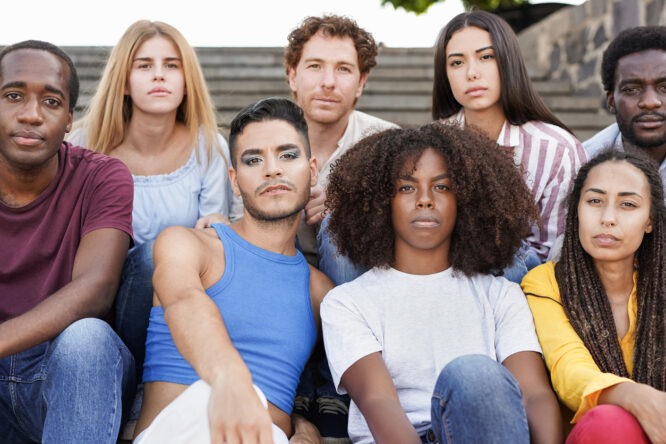
It’s easy to think you’re the only one who stands out, but most people feel out of place at some point. They simply hide it better. Realising this levels the field. Instead of seeing yourself as an outsider, you can accept that difference is universal and nothing to apologise for.
11. Keep track of wins from being yourself.
Look back at times when your differences helped you succeed, connect, or solve problems. These moments show that being unlike everyone else often works in your favour. Keeping these examples in mind builds confidence. They prove that apologising for who you are doesn’t make sense when your uniqueness has already carried you forward.
12. Treat self-acceptance as daily practice.
Letting go of constant apologies doesn’t happen overnight. It’s about small daily choices to speak honestly, hold your space, and resist shrinking yourself. Each time you practise, the habit of apologising loses strength. Eventually, it’s replaced with a quiet certainty that you deserve to exist just as you are.
Apologising for being different keeps you small, but difference isn’t something to hide. By owning who you are, surrounding yourself with supportive people, and replacing apologies with pride, you stop shrinking into sameness and start living more freely.