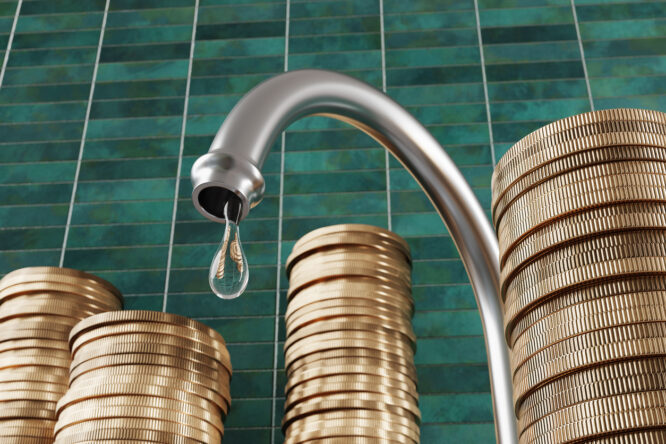
We’ve all had that sinking feeling when scrolling through a mobile banking app, spotting an unexpected direct debit or card charge slip out of our account.

It only takes a second to realise what happened: that free trial for a streaming platform, software tool, or gym membership rolled straight into a pricey annual renewal you completely forgot to cancel weeks ago.
Before you sigh and write that cash off as a costly lesson in poor life admin, you’re not entirely out of options. There’s a straightforward, totally legal method that can help you claw back every penny, even after the payment has cleared. Here’s the consumer protection rule most companies won’t advertise, and exactly how to use it to secure a rapid, full refund.
Forgotten subscriptions are costing households hundreds each year.
Research from Nationwide reveals that British households are haemorrhaging up to £400 a year on recurring payments they no longer use, want, or even remember signing up for. Between forgotten streaming services, unused fitness apps, and automated renewals that quietly tick over in the background, those small monthly charges steadily snowball into a substantial drain on household budgets.
What makes that figure even more frustrating is that most consumers simply shrug, cancel the account for the future, and accept the lost money as a painful learning curve. In reality, you’re not powerless when an unwanted payment slips through.
Apple users can easily request a refund.
If you’re an Apple user, the process starts at reportaproblem.apple.com, where you’ll need to sign in with your Apple account. From there, select “Request a refund”, choose the reason that applies to you, select the specific charge you’re querying, and submit the request.
There’s no official cut-off point for making a claim, but it’s still important to act quickly rather than letting it sit. According to a mobiles expert at Uswitch, flagging the issue sooner generally improves your chances of success. The good news is Apple typically responds within 24 to 48 hours, so you won’t be left waiting long to find out.
Android users can follow a similar process, but time matters more.

Android users have access to a comparable option, though the window to act is considerably tighter. To start, tap into your profile, head to “Payments & subscriptions”, locate the unwanted charge, and select “Report a problem”.
The key difference is timing. Google’s refund window closes after 48 hours from the original purchase, after which you’ll need to go through the app developer directly instead. Given how quickly that deadline passes, you should check your subscriptions regularly rather than waiting until you happen to notice a charge.
What to do if the app store won’t refund you

If your refund request gets rejected, it’s not necessarily the end of the road. Contact your bank directly and asking about a chargeback, explaining that the charge in question was unwanted. This route isn’t always guaranteed to succeed, but it’s an option plenty of people don’t realise is available to them.
Chargeback is a form of debit card protection that can help you reclaim money when something goes wrong with a purchase, whether that’s an order that never arrived or an item that turned out to be faulty. To make a claim, you ask your bank to reverse the original transaction. It’s best to raise this as soon as you spot a problem, since your card provider typically needs to begin the chargeback process within 120 days of the original payment, or the date you were originally due to receive whatever you paid for.
Of course, prevention beats relying on refunds.

While a refund can save the day when you’ve missed a cancellation, it shouldn’t be treated as a long-term solution. According to Uswitch’s mobiles expert, a refund is better thought of as a safety net rather than an actual fix, with avoiding the subscription trap in the first place being the real goal.
One simple habit that helps is setting a reminder the moment you sign up for any free trial, so you’re prompted to cancel it the instant it’s no longer useful to you, rather than relying on memory alone.
New rules are coming to make cancelling subscriptions easier.

The government has announced plans to tackle subscription traps and unfair pricing more broadly, requiring companies to make cancelling subscriptions considerably easier than it currently is. Businesses will also be required to provide clearer, more upfront information about costs, rather than quietly auto-renewing deals at a higher price without proper warning.
These measures were originally announced earlier this year and were due to come into force next spring, but the timeline has since been moved forward to January, timed to coincide with when many people typically start new subscriptions. Under the new rules, businesses will also need to send regular reminders about active subscriptions and make the exit process considerably simpler. A new 14-day cooling-off period is being introduced too, giving people the chance to cancel shortly after a trial or existing contract automatically renews.
What to do in the meantime

Until those changes actually come into effect, the responsibility largely falls on staying on top of things yourself. Keeping a personal record of active subscriptions, alongside a quick monthly check of your bank statement, remains the most reliable way to catch unwanted charges before they quietly rack up over several months.
A few minutes spent reviewing your subscriptions each month could easily save you a meaningful amount over the course of a year, without needing to rely on a refund process at all.