When you’re staying in a hotel, it’s easy to feel like you’ve got a free pass to leave your manners at the front door.
Most of us think that because we’ve paid for the room, we can just walk away from whatever mess we’ve made and let someone else deal with the aftermath. But the people who actually have to come in and scrub the place after you’ve gone have a very different take on it. There’s a massive gap between being a paying guest and being a total nightmare, and half the time, we’re doing things that we think are helpful but actually make their jobs ten times harder.
It’s not just the obvious stuff like leaving a tip; it’s the little habits and the “it’s their job” attitude that really get under their skin when they’ve only got 20 minutes to get the room ready for the next person. These are some of the most common behaviours that get under their skin and make their jobs harder.
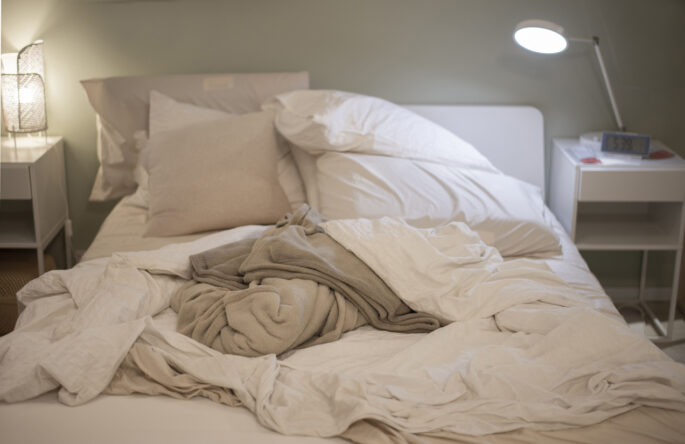
Leaving the room looking like a clothes bomb has gone off
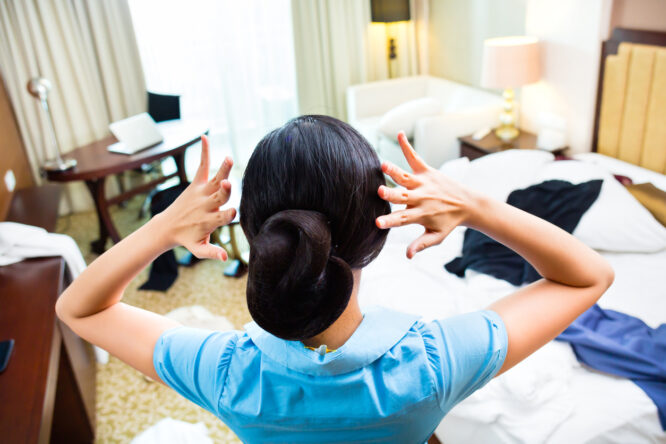
A bit of mess is normal. Nobody expects military corners and colour-coded socks. What drives staff up the wall is when everything is on the floor, half-open suitcases are blocking walkways, and there’s no clear space to get started. That turns a basic clean into a slow obstacle course, and it’s not just annoying, it can also be a genuine trip risk. Housekeepers work to tight time limits, so when they have to move around clutter just to reach the bed or bathroom, it slows everything down. It also increases the chance of accidents, especially when bags, shoes, or cables are left in awkward spots.
Hiding rubbish in odd places instead of using the bin
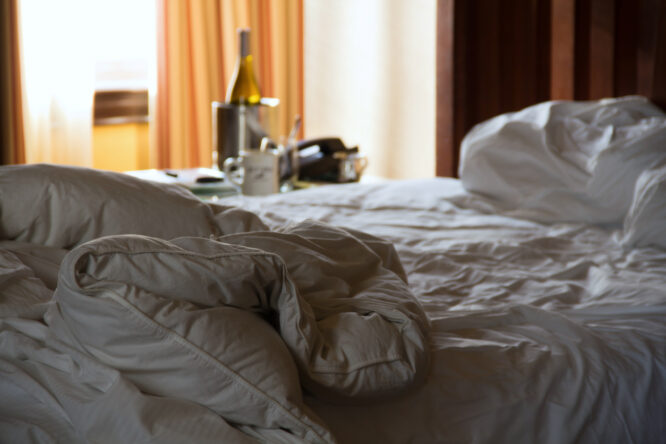
This is one of those habits guests probably think is harmless, but cleaners are the ones who find takeaway tubs shoved in drawers, teabags left in mugs, wrappers tucked behind beds, and tissues stuffed into gaps. It turns a straightforward clean into a scavenger hunt. It also creates confusion because staff have to double-check whether something is rubbish or a personal item. That hesitation adds time and makes the whole process more stressful, especially when rooms need to be turned around quickly.
Using towels for everything except what they’re meant for
Hotel staff see towels used for muddy shoes, make-up removal, fake tan, hair dye, and general clean-ups. Guests often treat this as part of the service, but it creates extra work behind the scenes. Stained or heavily soiled towels need sorting, extra washing, or replacing altogether. When it happens regularly, it adds pressure to laundry systems and slows down how quickly fresh linen can be prepared for the next guest.
Keeping the ‘Do Not Disturb’ sign up all day, then wanting instant cleaning
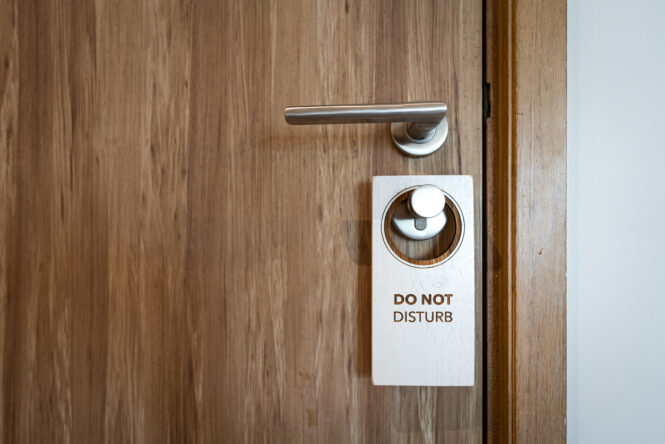
Housekeeping teams don’t work randomly. They follow a set schedule to get through dozens of rooms each shift. When a room is unavailable all day and then suddenly needs cleaning late in the afternoon, it throws that system off. There’s not usually spare staff waiting around to jump in at short notice. That means either the room gets rushed, or other rooms are delayed, which creates a knock-on effect across the whole floor.
Leaving trays, glasses, and food remains to sit for hours
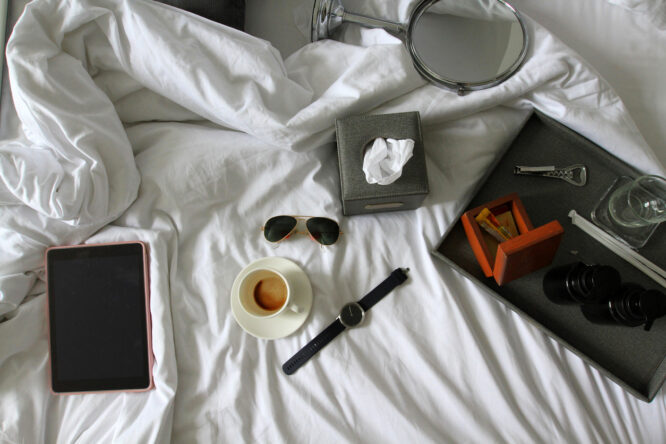
Room service feels great when it arrives, but less so when it’s still sitting there the next day. Half-eaten meals, sticky plates, and old drinks can quickly start to smell or attract mess. When trays aren’t moved out or reported for collection, housekeeping has to deal with it alongside everything else. It adds unnecessary work and can make the room feel far worse than it actually is.
Making the bathroom harder than it needs to be
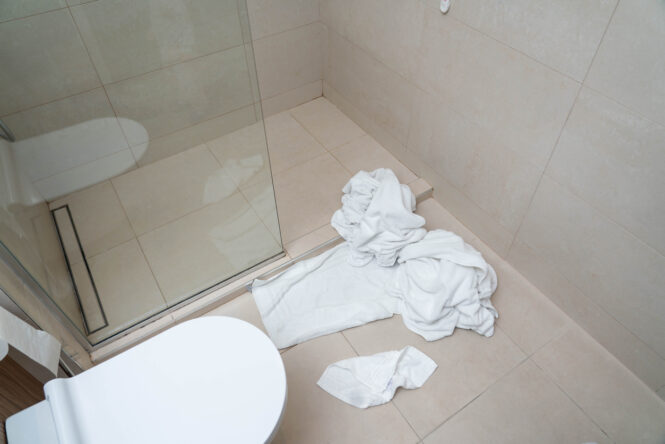
Bathrooms get messy, that’s expected. What frustrates staff is when it crosses into avoidable chaos like soaked floors, clogged sinks, overflowing bins, or products spilled everywhere. That kind of mess takes longer to clean and can also be a safety issue. Wet surfaces and clutter make slipping more likely, especially when cleaners are moving quickly between tasks.
Treating the room like a party space
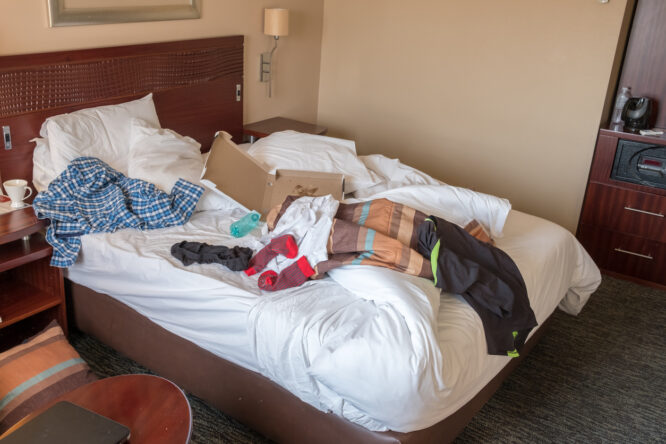
Late nights with drinks, takeaway, and extra guests can leave a room in a state that goes far beyond normal use. Furniture gets moved, spills dry into carpets, and things go missing. It doesn’t just affect cleaning time. It can also impact other guests and staff, especially if noise or behaviour crosses a line. What feels like a harmless night to one group can create a lot of extra work the next morning.
Smoking or vaping in the room
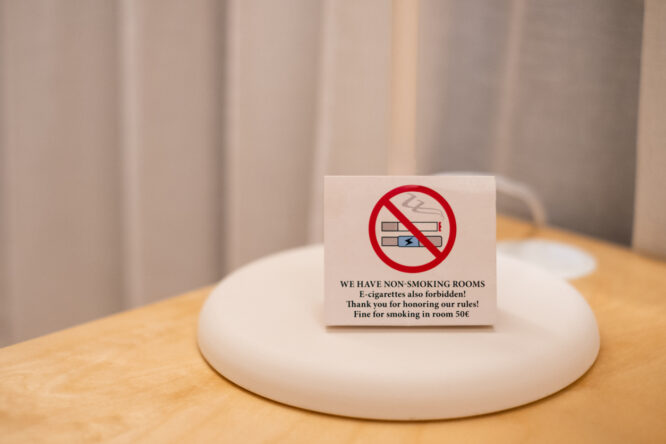
Even if a window is open, smoke lingers in fabrics, carpets, and curtains. Staff are left trying to remove smells that don’t easily disappear. It often means extra cleaning steps and sometimes taking the room out of use longer than planned. That’s frustrating because it’s entirely avoidable and clearly against most hotel rules.
Answering the door in a way that makes staff uncomfortable
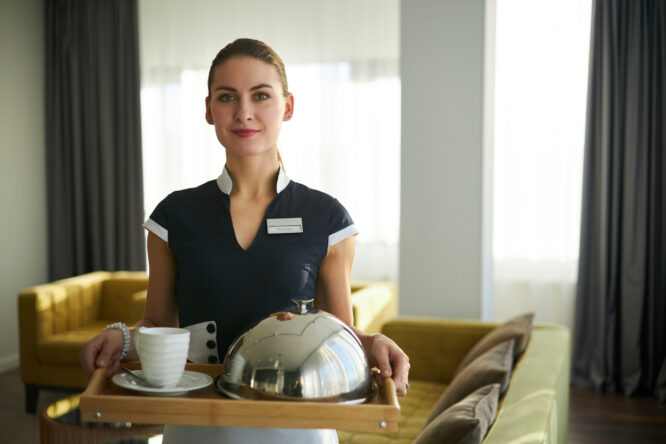
Housekeeping staff sometimes deal with guests who answer the door half-dressed, make inappropriate comments, or behave in a way that crosses basic boundaries. That’s not just awkward—it can be genuinely unsettling. Staff are there to do their job, and they deserve to feel safe and respected while doing it.
Staying in the room while it’s being cleaned and getting in the way
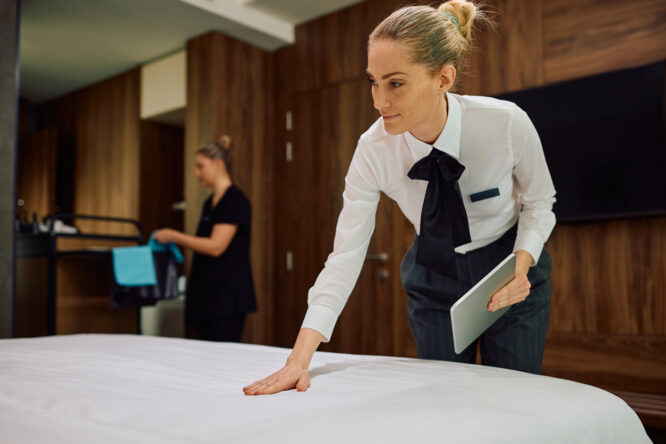
Some guests stay in the room and expect cleaners to work around them. They’re on calls, moving between spaces, or spread out across the bed and desk. It makes the job slower and more awkward, and often results in a less thorough clean. Most rooms are cleaned best when they’re empty and staff can move freely.
Taking things that clearly aren’t complimentary
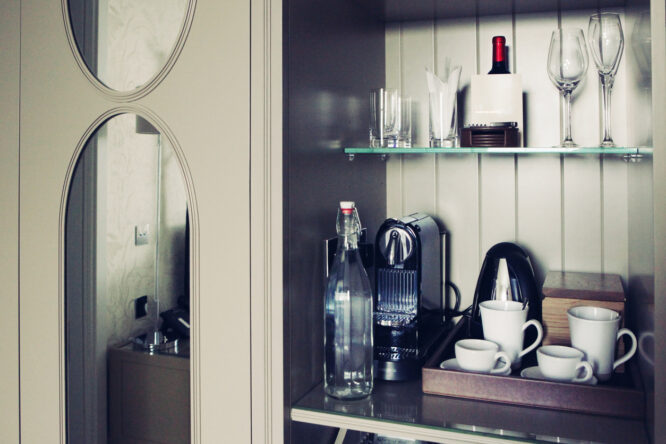
Small toiletries are meant to be used, but items like towels, robes, or equipment disappearing isn’t as rare as people think. Even when it’s treated as a joke, it still has to be logged and dealt with. It creates extra work for staff and costs for the hotel, which eventually affects everyone.
Creating problems, then complaining about them
Some guests leave a room in poor condition and then complain about cleanliness or service, hoping for compensation or upgrades. That kind of behaviour puts staff in a difficult position, especially when they’ve had limited time to deal with avoidable mess. It also makes genuine complaints harder to take seriously.
Acting like housekeeping isn’t real work
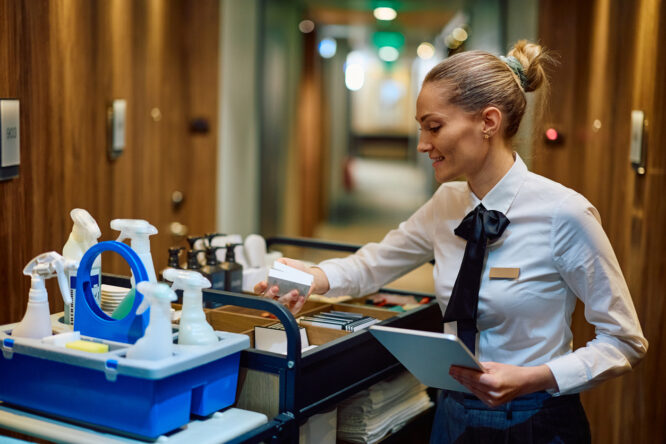
The biggest issue behind all of this is attitude. When guests treat the room like it resets itself, they forget there’s a real person coming in after them. Housekeeping is physical, time-sensitive work that requires attention, speed, and care. The easiest guests to deal with aren’t the tidiest ones, they’re the ones who remember that basic respect goes a long way.