You’ve probably spent a small fortune on neon-coloured sports drinks, synthetic energy gels, and pre-workout powders to help you get through a brutal training session.
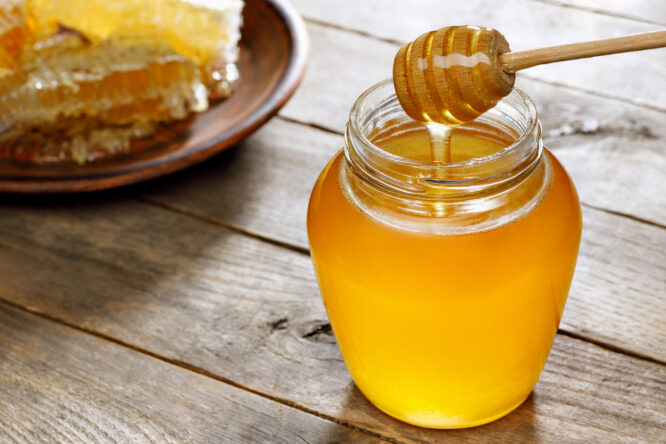
However, sports scientists are finding that a completely natural alternative sitting in your kitchen cupboard might actually do a better job. New research into athletic performance shows that a simple spoonful of honey delivers the exact type of slow-release fuel your muscles crave during a heavy workout, without the nasty stomach cramps or sugar crashes that come with manufactured supplements.
If you’re looking for a cheaper, cleaner way to power through your next run or gym session, this everyday pantry staple is well worth a try.
Honey works as a quick energy hit for a very good reason.

The reason honey gives you a lift is pretty simple. It’s made up mostly of carbohydrates, and specifically two simple sugars called glucose and fructose. These sugars get absorbed quickly and give the body fast, accessible fuel, which is exactly what you want when you’re about to push yourself physically.
The body stores carbs as glycogen in the muscles and liver, and those stores get drained during anything moderately intense, especially if you’re going for longer than an hour. Once they run low, fatigue creeps in and your performance starts to slide. Having a bit of carbohydrate before or during a workout keeps that energy ticking along and lets you keep going for longer.
The bit about the two sugars is pretty clever.

What makes honey particularly interesting is that it doesn’t just contain one sugar, it contains both glucose and fructose together. These get absorbed through different routes in the gut, which means your body can take in more carbohydrate at once without overloading your stomach. It also keeps the supply of fuel to your muscles steadier, which can help hold off that wall of fatigue.
This is actually the same principle behind a lot of sports drinks and energy gels, which deliberately combine different sugar sources to boost how efficiently you absorb them. Honey just happens to do it naturally without anything added.
How much do you actually need?
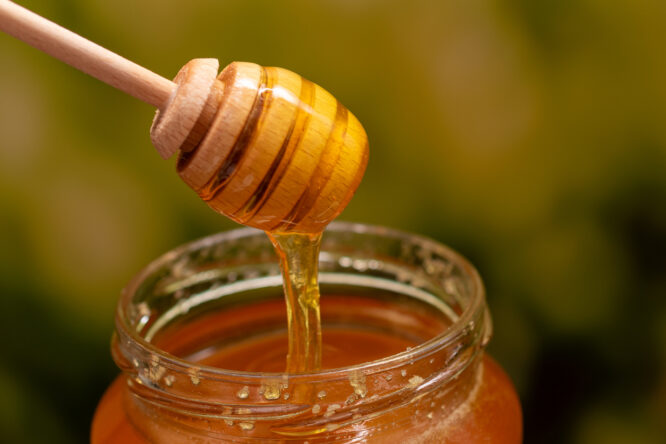
The good news is the amount you need is small. A generous tablespoon of honey gives you around 20 grams of carbohydrate, which is roughly what you’d get from a commercial energy gel. Having about a tablespoon or a tablespoon and a half before training can top up your glycogen stores, particularly in the liver.
That matters most if you’re training in the morning, since your liver stores tend to be lower after a night of not eating. A spoonful on toast or stirred into porridge is an easy way to get that little hit of fuel in before you head out.
Does it actually boost performance?

This is where it gets a bit more mixed. Some studies have shown that honey works just as well as commercial sports drinks and gels, and in some cases people produced more power in the final stretch of a long cycle when they’d been topping up with honey along the way. Other studies have found no real performance boost over plain water, with the honey performing about the same as a commercial sports drink.
So, the honest answer is honey probably won’t make you faster than other carbohydrate sources, but it tends to keep pace with them. As a natural alternative to the shop-bought stuff, it’s holding its own pretty well.
Where honey really shines is after the workout is done.

The most interesting finding is what honey does for recovery rather than performance during exercise. Having a honey-based drink after a workout helps keep blood glucose levels steady, which makes a real difference if you’re going to be exercising again soon.
One study had runners do two hour-long runs in the heat with a two-hour break between them, and after a honey drink during that rest, they were able to run around 10% further in the second session. That points to honey being especially handy for back-to-back training, double sessions, or any time you need to bounce back quickly. Replenishing those stores fast is exactly what helps you go again.
The extra bits beyond the sugar can also be beneficial.

Honey isn’t only carbs, either, which is part of what sets it apart from a gel. It also brings small amounts of vitamins, minerals, amino acids and plant compounds known as flavonoids and phenolic acids. These have antioxidant and antimicrobial effects, and may even help with reducing inflammation.
For anyone training hard or going through a stressful patch of workouts, those little extras could quietly help your body cope. Some types of honey, like Manuka or Malaysian varieties, carry higher levels of these beneficial compounds, which might give them a slight edge for recovery and immune support.
Are some honeys better than others?

Not all honey is the same, and the taste, texture, and exact sugar makeup can change depending on which flowers the bees worked on, the climate and how the honey was processed. Some types may dampen inflammation more than others, which could mean less muscle soreness and quicker recovery.
Honestly, the current evidence doesn’t show one type clearly winning the race as a workout fuel. So if you’re using it mainly for energy, the jar in your cupboard will do the job just fine. If you’re looking for extra recovery benefits, it’s worth experimenting with a higher-grade variety and seeing how you feel.
You have nothing to lose by trying it for yourself.
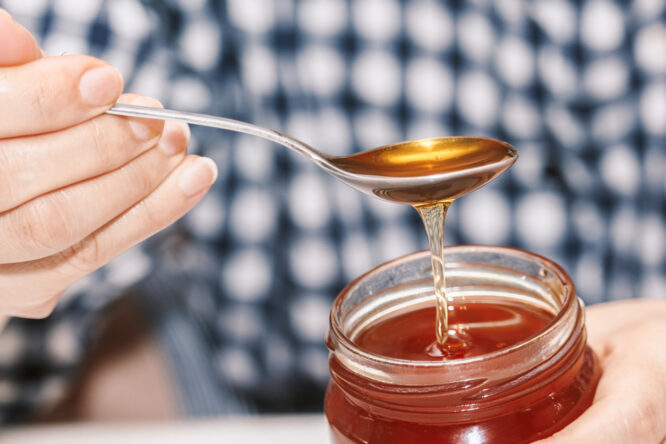
The overall picture is that honey is a genuinely solid option for fuelling exercise, and it stacks up well against the more expensive sports products on the shelf. It gives you fast carbs, the helpful glucose and fructose combination, and a handful of extras you don’t get from a gel. It’s cheap, it’s natural, and most people have a jar of it sitting at home already.
Whether you spread it on toast before a run, stir it into a drink for after, or just have a spoonful straight, it’s worth giving it a try. Sometimes the simplest fuel really is the one that’s been there all along.