As we get further into October, many religious families face the same question: Should we celebrate Halloween or not?
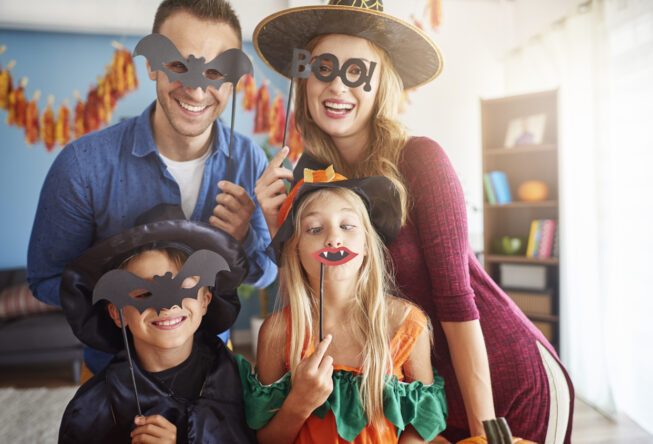
For some families, it’s simple, and they join in the fun without hesitation. For others, it’s a clear no. And for many, it’s complicated. There’s no single “right” answer for people whose faith doesn’t exactly jibe with Halloween. That’s why it’s important to understand different viewpoints, think through your own beliefs, and make choices that feel right for your family. What works for one family might not work for another, and that’s perfectly fine.
Why Halloween divides religious communities
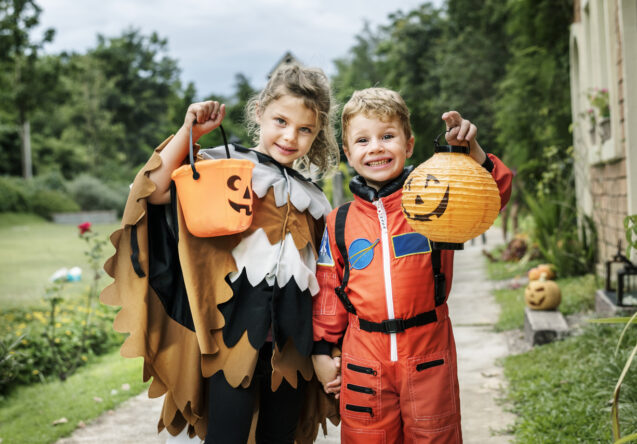
Religious families have different views on Halloween for genuine reasons. These aren’t small disagreements, unfortunately. They come from deeply held beliefs about faith and how it should guide daily life.
Some Christians worry about Halloween’s historical connections to ancient festivals and see problems with celebrating anything tied to paganism. Others point out that Halloween has Christian origins. It’s the evening before All Saints’ Day, and so they see no issue with participating. Still others think modern Halloween is so commercialised that its historical connections don’t really matter anymore.
The imagery bothers some people too. Witches, ghosts, demons, and darkness are symbols that make some believers uncomfortable. They feel like celebrating Halloween makes light of real spiritual evil. Others argue that kids in costumes collecting sweets has nothing to do with actual occult practices, and most people don’t attach any spiritual meaning to Halloween anyway.
Different families also emphasise different parts of the Bible. Some focus on verses about avoiding darkness or occult practices. Others emphasise being good witnesses in their communities and not judging other believers over disputable matters.
Families who celebrate Halloween
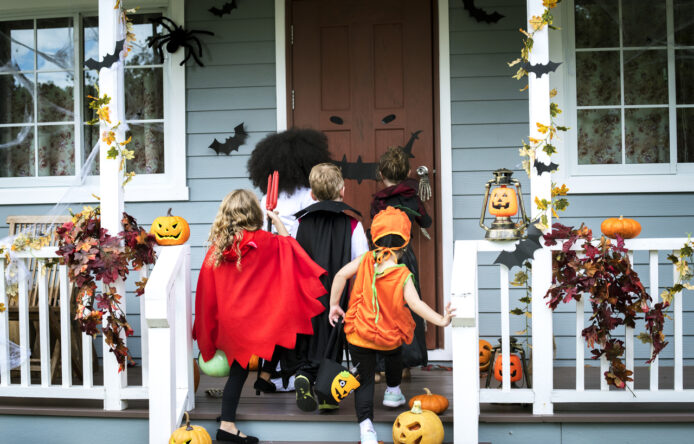
Many religious families enthusiastically participate in Halloween. They see it as a chance to connect with their community, not a spiritual threat. For these households, Halloween prep looks like everyone else’s: choosing costumes, decorating, planning trick-or-treating.
These families often point out that Halloween is one of the few times neighbours actually talk to each other. Kids from the street play together. Communities share an experience. For families wanting to build relationships with neighbours, Halloween creates natural opportunities.
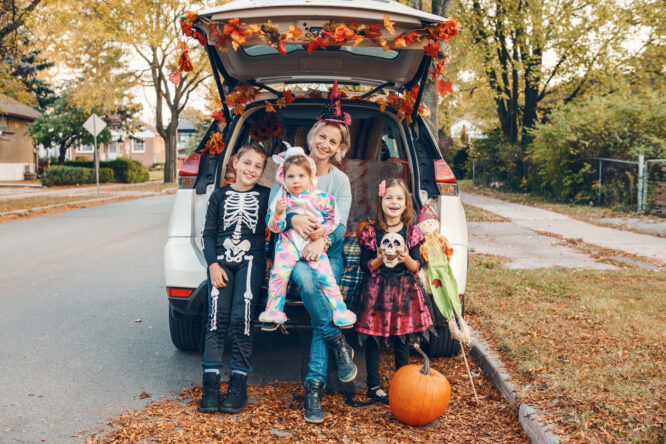
Some churches actively embrace Halloween. They host “trunk or treat” events where decorated cars in church car parks give out candy. These create welcoming spaces where church members can meet local families. Churches might also hold harvest festivals or fall celebrations, which are solid alternatives that keep the fun parts children love while avoiding spookier elements.
For these families, Halloween prep might involve conversations about costume choices, such as maybe avoiding overly scary options while still allowing creativity and fun.
Families who skip Halloween
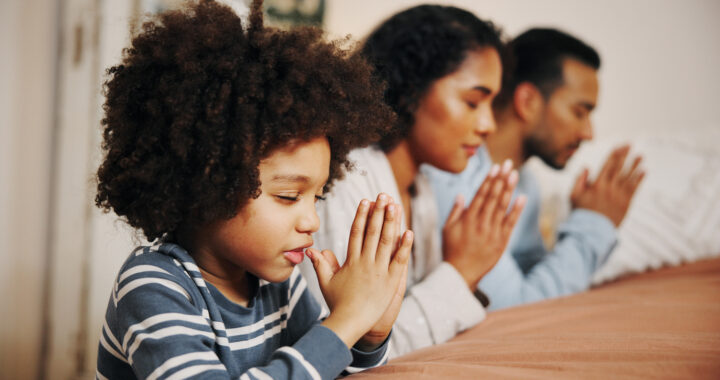
Other religious households choose not to participate at all. No one should be judging families who do celebrate. It’s about personal conviction that for them, abstaining is right. Concerns usually centre on Halloween’s connections to darkness, death, and the occult. Even if modern Halloween is mostly secular, some families feel uncomfortable celebrating anything that references spiritual evil. They take seriously biblical warnings about avoiding evil, and feel Halloween crosses lines they won’t cross.
For these families, Halloween prep means something different: turning off porch lights, planning indoor family activities, or even leaving home for the evening. Some use October 31st for special family movie nights or activities that create positive memories without Halloween.
These families often face challenges. Children might feel left out when classmates discuss costumes and candy. Schools often include Halloween activities, requiring parents to talk with teachers about their preferences. Many families in this group emphasise teaching kids why they make different choices, not just forbidding participation. It becomes a chance to discuss faith and values.
The middle ground
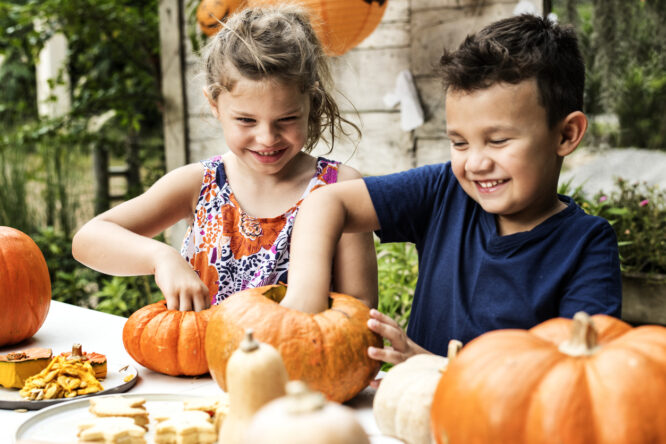
Probably most religious families fall somewhere in between, participating in some parts of Halloween while setting boundaries around others. This approach acknowledges both the fun, community aspects and the legitimate concerns.
These families might allow trick-or-treating but avoid scary decorations. They might go to community events but skip haunted houses. Costume choices reflect this balance: yes to superheroes or favourite characters, no to demons or witches. This middle-ground approach requires more active decision-making. It’s easier to say “we do everything” or “we do nothing” than navigate the gray areas. However, for many families, this feels most authentic.
Practical tips for any approach
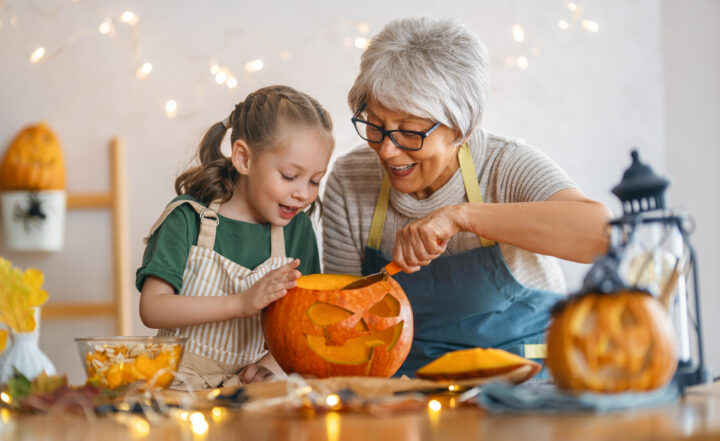
Whatever your family decides, a few things can help make October less stressful. For starters, have conversations early. Don’t wait until the week before Halloween to discuss your approach. Talk about it in September, so everyone has time to process and ask questions.
Be ready for questions from other people. Your kids will encounter peers who make different choices. Give them simple explanations they can offer without criticising anyone else. “Our family celebrates differently” or “We do a harvest party instead” works well.
Create positive alternatives if you’re not doing traditional Halloween. Don’t just tell kids what they can’t do. Instead, show them what they can do instead. Special family traditions can create happy memories. Respect that other religious families may choose differently. Your convictions are valid, but so are theirs. Model for your children how people of faith can disagree kindly.
Talking to your kids
Kids need age-appropriate explanations for family decisions. Young children usually accept “This is what our family believes” without needing detailed explanations. Older ones benefit from deeper conversations about faith and decision-making.
Be honest that other Christian families make different choices. Help your little ones understand this reflects different interpretations, not that one family is “right” and others “wrong.” Also, listen to your kids’ feelings. If they’re disappointed about missing out, acknowledge those feelings while maintaining your boundaries.
The freedom to choose

The most important thing for religious households approaching Halloween is this: you have the freedom to make decisions that align with your faith and values. You don’t need permission to participate, and you don’t need to justify abstaining.
Two faithful families can look at the same situation and reach different conclusions, and both can honour their beliefs in their choices. What matters is that your decisions come from genuine conviction, not pressure from anyone else. Ask yourself: does this reflect our family’s values? Can we participate (or not) with a clear conscience? Are we teaching our kids to think about how faith intersects with everyday life?
Your family’s choice
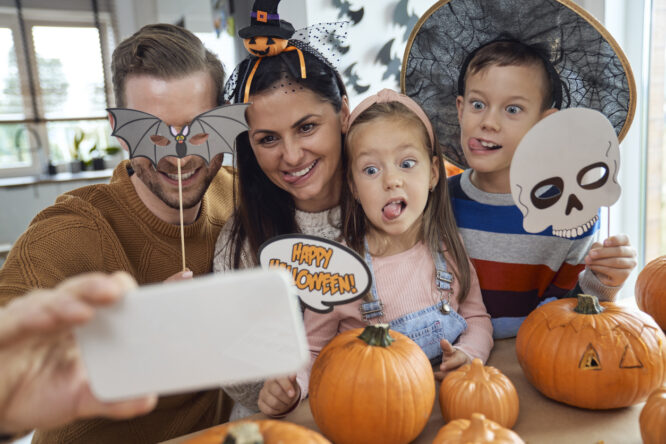
Halloween prep for religious households comes down to finding what works for your family. This might mean full participation, complete abstaining, or something in between. Your choice might look different from your neighbours’ or even your extended family’s, and that’s okay.
The goal isn’t finding one “right” answer. It’s making thoughtful decisions that honour your faith, respect your conscience, and maintain good relationships with those who choose differently.
Whether your Halloween prep involves buying lots of candy or planning alternative celebrations, what matters most is that your choices reflect genuine thought about how your faith shapes your family’s life. Make the choice that’s right for your household, extend grace to others, and remember that faithful families can honour their beliefs while making very different decisions about October 31st.