Going on a trip with a friend, family member, or partner should be an exciting situation, and it usually is.

However, the sad truth is that travelling brings out the best and worst in people, and certain habits can turn what should be a fun adventure into a stressful ordeal for everyone involved. While everyone has their own quirks and funny ways, if you do these things when going on holiday, people won’t want to go much of anywhere with you in the future.
1. You refuse to plan anything, but you’re quick to complain when things go wrong.

Some travellers adopt a “we’ll figure it out when we get there” attitude, but then get frustrated when restaurants are full, attractions are closed, or there’s nowhere decent to stay. They expect everyone else to handle all the planning, but criticise every decision that doesn’t work out perfectly.
Take responsibility for researching and booking at least some aspects of the trip if you want things to go smoothly. If you prefer spontaneity, accept that things might not always work out perfectly, and don’t blame everyone else when plans fall through.
2. You’re impossible to wake up and always running late.

Chronic oversleepers who need multiple alarms and extensive coaxing to get out of bed make everyone else stressed about missing flights, trains, or planned activities. Your travel companions end up feeling like parents trying to get a teenager ready for school every single day.
Set multiple alarms, go to bed earlier, and take responsibility for getting yourself up and ready on time. Respect that other people’s schedules and plans depend on you being functional and punctual, especially when you’re sharing accommodation.
3. You complain constantly about everything being different.

Travel complainers find fault with foreign food, different customs, language barriers, and anything that doesn’t match exactly what they’re used to at home. They make negative comments about local culture and seem to expect everywhere to cater specifically to their preferences and comfort levels.
Embrace differences as part of the travel experience rather than viewing them as personal inconveniences. If you want everything to be exactly like home, consider whether travelling is really for you, or work on developing more curiosity and flexibility.
4. You’re stingy about shared expenses, but generous with other people’s money.

Nightmare travel companions nickel and dime every shared expense, but are quick to suggest expensive activities or restaurants when someone else is paying. They’ll argue over splitting a taxi fare, but order the most expensive items when someone else is treating them to dinner.
Be fair and consistent about money matters by contributing equally to shared expenses and being mindful of costs when other people are paying. Discuss budgets openly at the beginning of the trip to avoid awkward financial tensions later.
5. You have zero flexibility when things don’t go according to plan.

Rigid travellers have meltdowns when flights are delayed, weather changes plans, or attractions are unexpectedly closed. They can’t adapt to new circumstances and make everyone else miserable with their stress and frustration when travel inevitably gets unpredictable.
Build buffer time into your itinerary and mentally prepare for things to go wrong because that’s just part of travelling. Focus on making the best of unexpected situations rather than dwelling on what you’re missing out on.
6. You monopolise all the photo opportunities.

Some travellers turn every scenic spot into a personal photo shoot, taking dozens of poses and expecting other people to be their photographer while everyone else waits around. They’re more focused on getting the perfect Instagram shot than actually experiencing the place they’re visiting.
Be mindful of how much time you’re spending on photos, and take turns with other people who also want pictures. Sometimes put the camera away completely and just enjoy the moment without documenting every single second of the experience.
7. You’re a nightmare to share accommodation with.

Bad roommates leave messes in shared spaces, use all the hot water, spread their belongings everywhere, and have no consideration for other people’s sleep schedules. They treat shared accommodation like their personal space and expect everyone else to clean up after them.
Clean up after yourself immediately and be considerate about noise, space, and shared resources. Discuss expectations about cleanliness and quiet hours at the beginning of your stay to avoid conflicts later.
8. You refuse to try anything new or step outside your comfort zone.

Unadventurous travellers want to stick to familiar chain restaurants, avoid local experiences, and generally recreate their home routine in a different location. They hold the group back from trying interesting activities and make everyone else feel guilty for wanting to explore.
Push yourself to try at least one new thing each day, whether it’s food, an activity, or just walking through a different neighbourhood. You don’t have to love everything, but being open to new experiences makes travel more enjoyable for everyone.
9. You drink too much and become everyone else’s responsibility.

Travellers who can’t handle their alcohol end up needing constant supervision, getting into arguments, making poor decisions, or becoming sick and requiring care from their companions. They turn fun nights out into babysitting duties for everyone else.
Know your limits and stick to them, especially in unfamiliar places where getting into trouble can have serious consequences. If you want to drink heavily, make sure you can handle yourself without becoming a burden or safety risk for other people.
10. You’re glued to your phone and miss everything happening around you.

Constant phone users spend more time checking social media, texting people back home, or staying connected to work than engaging with their travel companions or the place they’re visiting. They’re physically present but mentally somewhere else entirely.
Set specific times for checking your phone and put it away during meals, activities, and conversations with your travel companions. You’re spending money to be somewhere new, so actually be present and engaged with the experience.
11. You make unilateral decisions that affect the whole group.

Controlling travellers book activities, choose restaurants, or change plans without consulting anyone, then expect everyone to go along with their decisions. They act like they’re the trip leader, even when it’s supposed to be a group holiday with shared decision-making.
Include everyone in decisions that impact the group, and respect that other people have preferences and opinions too. Take turns choosing activities or restaurants, so everyone gets to experience things they’re interested in.
12. You’re unprepared and constantly need to borrow things.
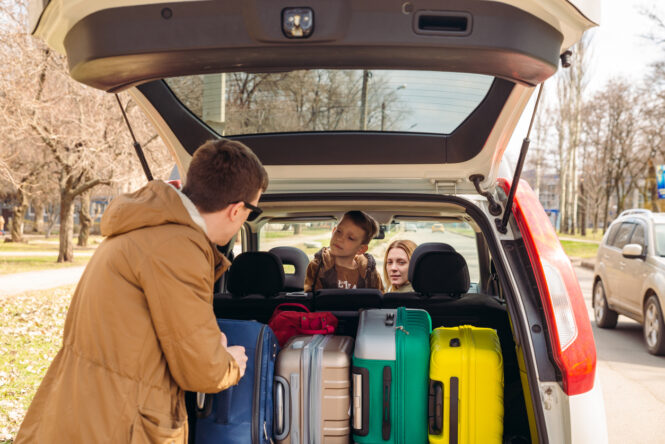
Disorganised travellers forget essential items and constantly need to borrow chargers, toiletries, medication, or other necessities from their companions. They expect everyone else to have backup supplies for their poor planning and preparation.
Make proper packing lists and check them twice before leaving home. Bring your own essentials and backup items, rather than assuming other people will cover for your oversights. Being prepared is part of being a considerate travel companion.
13. You create drama and conflict wherever you go.

Some travellers seem to attract or create problems everywhere they visit, arguing with hotel staff, getting into conflicts with locals, or causing scenes in restaurants and shops. They make travel stressful and embarrassing for everyone they’re with.
Stay calm and polite in all interactions, even when things aren’t going your way. Remember that you’re a guest in someone else’s country, and that being respectful and patient will get you much better results than being demanding or aggressive.