If you’re the sort of person who can’t resist a thick slab of cheddar on a cracker or a proper toasted cheese toastie, this might just be your favourite bit of news all year.
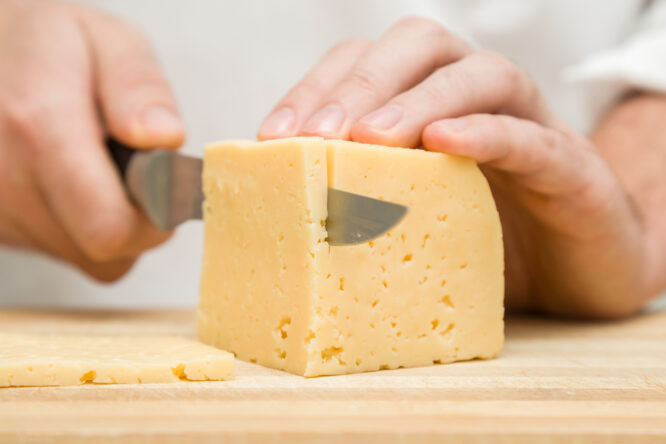
A massive study has revealed that people who regularly tuck into full-fat cheese actually show lower rates of dementia in later life. That has caught plenty of health experts off guard, especially after decades of us being told to treat dairy like an enemy of our arteries.
Before you go clearing out the supermarket dairy aisle, it’s worth keeping a level head about what the scientists are actually saying. A link on a chart doesn’t automatically mean a block of brie is a magic shield for your brain, but it does mean you can happily keep your favourite wedge on the plate without the usual side order of guilt.
The study’s findings were pretty encouraging.

Researchers in Sweden followed nearly 28,000 people for around 25 years. They looked at how much dairy people ate and whether they went on to develop dementia. People who ate more full-fat cheese had a 13% lower risk of dementia than those who ate very little.
The link was even stronger for a type called vascular dementia, which is caused by reduced blood flow to the brain. For this type, the risk was 29% lower. These results have sparked plenty of interest among scientists and cheese fans alike.
How much cheese is beneficial?

The lower risk was seen in people who ate around 50g of full-fat cheese a day. That’s about two slices of cheddar, or a piece a little smaller than two matchboxes. They were compared with people who ate less than 15g a day. The study also looked at cream. People who had at least 20g of full-fat cream a day, roughly a heaped tablespoon, had a 16% lower risk of dementia than those who had none. That might be a dollop in a sauce or a splash in a hot drink.
Not all dairy made a difference.
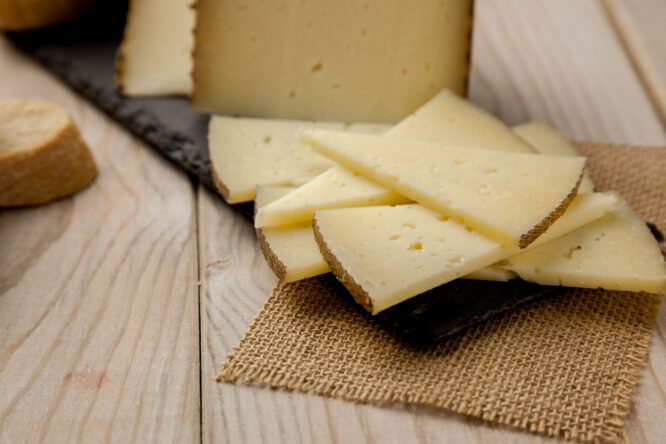
Interestingly, the link was only found with full-fat cheese and cream. Low-fat dairy products, milk, butter, and yoghurt showed no connection with a lower dementia risk. That suggests something specific about full-fat cheese and cream could be playing a part. The findings go against years of advice that encouraged people to avoid high-fat foods. However, scientists still don’t know exactly why cheese might help. More research is needed to understand what’s going on.
The research isn’t definitive proof, of course.

This type of study shows a link, not proof that cheese prevents dementia. It’s possible that people who ate more cheese had other healthy habits that made a difference. Things like exercise, income, and overall diet can all affect brain health.
All the people in the study lived in Sweden, where cheese is often eaten cold, such as on bread at breakfast. In the UK, we often eat cheese melted, on pizza or alongside processed meat, which might have different effects. The researchers say more studies are needed before anyone changes their diet because of these findings.
Enjoying cheese sensibly is always the best idea.

Cheese is a good source of protein, calcium and other nutrients, but it can also be high in saturated fat and salt. Eating too much saturated fat can raise cholesterol, which increases the risk of heart disease. The NHS suggests a typical portion of cheese is about the size of a matchbox.
Enjoying cheese as part of a balanced diet is the best approach. Pair it with wholegrain crackers, fruit, or salad rather than processed meats. If you have high cholesterol, high blood pressure or a heart condition, speak to your GP before making big changes to your diet.
Other ways to look after your brain

While cheese may play a small part, there are many proven ways to help protect your brain. Staying active, eating plenty of fruit and vegetables, and keeping your blood pressure under control all make a difference. Not smoking and drinking alcohol in moderation help too.
Keeping your mind busy with hobbies, puzzles and learning new skills is also good for brain health. Staying connected with friends and family and treating any hearing problems can help lower the risk of dementia. If you’re worried about your memory, talk to your GP.