For many people, going gluten-free isn’t some trendy lifestyle choice or short-term health kick.

It’s a medical necessity that affects every single meal, snack, and shopping trip. Sadly, across the UK, more people with coeliac disease now say basic gluten-free foods are becoming so expensive that everyday staples like bread, flour, biscuits, and cereal are starting to feel like luxury items instead of essentials as prices continue to rise to unaffordable levels.
People with coeliac disease can’t simply “cheat” their diet.

One thing many people misunderstand about gluten-free diets is that for those with coeliac disease, avoiding gluten isn’t optional. Coeliac disease is an autoimmune condition where eating gluten damages the small intestine and can cause serious health problems over time.
That means gluten-free alternatives aren’t treats or specialist extras. They are replacements for ordinary foods most people buy every week without thinking about it. Bread, pasta, flour, cereal, biscuits, and snacks all suddenly become much harder and more expensive to replace once gluten is removed.
Many gluten-free products are smaller as well as more expensive.

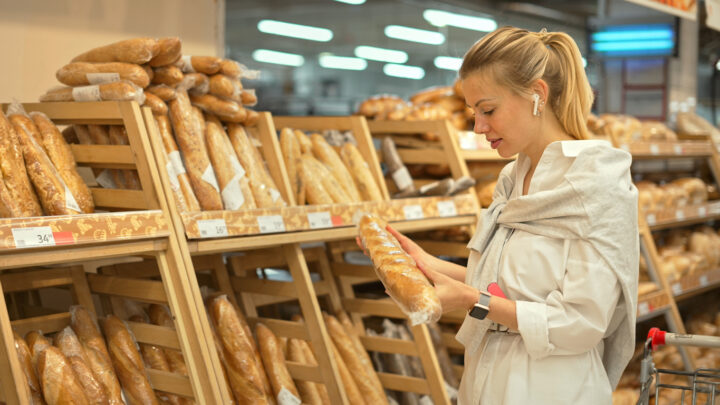
One of the biggest frustrations for shoppers isn’t just the price itself, but how little product people often receive for the money. Gluten-free loaves are usually much smaller than standard bread, while cereal boxes and snack packs often contain noticeably less food.
That means many households are effectively paying more money for products that also run out faster. Families with several people eating gluten-free can end up spending huge amounts every month just trying to replace ordinary basics most households buy cheaply.
Some shoppers say supermarket choice is shrinking too.

Alongside rising prices, many people also say the range of gluten-free products available in supermarkets has started shrinking in recent years. Some shoppers report fewer shelves dedicated to “free-from” products, especially in smaller supermarkets or rural areas.
This becomes an even bigger problem when cheaper supermarkets reduce specialist ranges. For some families, budget stores were one of the only affordable places to buy gluten-free flour, bread, or snacks without spending huge amounts each week.
Inflation is hitting specialist foods particularly hard.

Experts say gluten-free products already cost more to produce because manufacturers need separate ingredients, specialist factories, strict testing, and tighter safety controls to avoid contamination.
While those protections are important for safety, they also push prices higher. Add rising fuel costs, ingredient shortages, transport costs, and inflation on top of that, and gluten-free products become even more expensive for shoppers already struggling with household bills.
Some people are now taking risks to save money.
One of the more worrying parts of the research is that some people are knowingly eating foods labelled “may contain gluten” because they simply can’t afford safer alternatives regularly. For people with coeliac disease, that can be dangerous long term. But charities say many households are now trying to stretch budgets however they can, especially families with multiple people needing gluten-free diets.
The end of some NHS prescriptions has added more pressure.

In England, many adults can no longer get gluten-free bread or flour on prescription through the NHS like they once could. The move was designed to save money, but charities say it has left some households carrying much bigger supermarket bills instead.
For people already dealing with rising rent, heating, fuel, and food prices, losing help with specialist foods has made things even harder. Some families say they now spend a huge chunk of their weekly budget simply trying to buy safe food.
Many people don’t realise how isolating food costs can become.

Food is such a normal part of everyday life that many people never stop to think about how stressful shopping becomes when almost every replacement product costs double or triple the normal version.
Even simple things like buying biscuits for a cup of tea, grabbing a quick sandwich, or picking up snacks for children can suddenly become expensive decisions. Over time, constantly checking prices and labels can leave people feeling frustrated, excluded, and exhausted.
Experts say affordability is shaping people’s diets.

Researchers say there’s now a clear gap between people who can comfortably afford specialist diets and those who can’t. Data suggests people under greater financial pressure are less likely to stick to gluten-free diets because of the cost involved.
That creates a worrying situation where health advice and medical needs start colliding with household finances. For many families, the issue is no longer just about healthy eating. It’s about whether they can realistically afford the food they medically need.
The bigger concern is where prices go next.

Many charities and shoppers worry prices could continue rising if food inflation worsens again later this year. Some also fear supermarkets may continue reducing gluten-free ranges if fewer people can afford to buy the products regularly.
For people without coeliac disease, a £4 loaf of bread might sound annoying. But for households that rely on gluten-free food every single day, the growing cost of basic staples is becoming a much more serious and stressful part of daily life.