A standard colour TV licence currently sets households back £180 a year, which is no small sum when living costs are already stretched to the limit.

Despite that annual bill dropping through millions of letterboxes, a surprising number of people have no idea they could be paying significantly less, or in some circumstances, absolutely nothing at all. With ministers currently looking over the existing setup and weighing up additional concessions, making sure you’re not overpaying has never been more sensible.
From age-based exemptions to specific support for care home residents and people with severe sight loss, here’s a clear breakdown of who qualifies for a discount right now and how each one actually works.
The government is considering expanding who qualifies for discounts.
Following a petition calling for everyone to receive a free TV licence once they reach retirement age, the Department for Culture, Media, and Sport has confirmed it’s keeping an open mind about introducing new concessions, and is currently considering a range of options to better reflect different household circumstances. Importantly, the department has also confirmed it has no plans to remove any of the existing concessions already in place.
This review comes as the BBC Charter, which governs the rules around TV licence fees among other things, is due to expire next year and is currently being reassessed. Charter reviews like this happen periodically and set the framework the BBC operates under, including how it’s funded, so any changes agreed this time round could shape TV licence rules for years to come. For now, there are four main groups eligible for a reduced or completely free TV licence.
Some over 75s can get a free licence.

Anyone aged 75 or older who’s also receiving Pension Credit can apply for a free TV licence. You’re able to apply from age 74, and once approved, your payments are automatically adjusted by the TV Licensing agency, meaning there’s no ongoing charge to worry about once it’s set up.
Pension Credit itself is a benefit designed to support pensioners on lower incomes, yet an estimated one million eligible pensioners across the UK still aren’t claiming it, often because they assume they won’t qualify or aren’t aware the benefit exists at all. If you think you might qualify, the Gov.uk website has an online eligibility checker, and it only takes a few minutes to get an idea of whether you’re likely to be entitled to it.
If you’re over 75 and already receiving Pension Credit, you can apply for the free licence online, even if you currently hold a standard paid licence. There’s no need to wait until your existing licence is due for renewal either, since you can switch over as soon as you’re eligible. Slightly different arrangements apply for over 75s living on the Isle of Man, Jersey or Guernsey, so check local guidance if that applies to you rather than assuming the same rules carry over automatically.
People in certain types of accommodation can get a heavily reduced rate.

If you live in a residential care home, supported housing or sheltered accommodation, you may be eligible for what’s known as an Accommodation for Residential Care licence, which brings the annual cost down to just £7.50, a saving of well over £170 a year compared to the standard rate.
To qualify, you generally need to be over 60 and working fewer than 15 hours a week, or be disabled and living in accommodation that’s eligible for this type of licence. The best way to check eligibility is to speak directly to your warden, administrator or home manager, since they’ll be able to confirm whether your specific accommodation qualifies and can usually help with the application process itself. Raise this soon after moving into qualifying accommodation, rather than continuing to pay full price simply because nobody’s mentioned the discount.
Blind or severely sight impaired people can get 50% off.
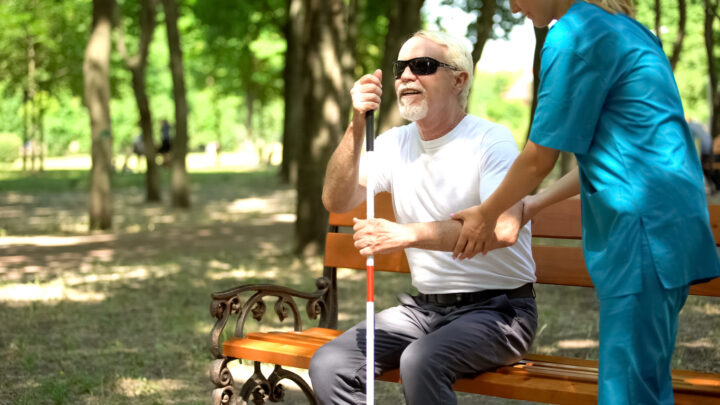
Anyone who is blind or severely sight impaired, and able to provide evidence of this, may be entitled to a 50 per cent discount on their TV licence, bringing the cost down to £90 a year rather than the full £180.
It should be noted that the licence must be registered in the name of the person who is blind or sight impaired in order to qualify for this discount, so it’s not something that can simply be applied to a household licence registered under someone else’s name. Acceptable evidence typically includes being registered as severely sight impaired with your local council, so have this documentation ready when applying.
A separate, cheaper licence exists for black and white TVs.

If you’re still using a black and white television, there’s a specific licence available at a lower rate than the standard colour TV licence, currently priced at £60.50 a year. This is a different licence type rather than simply a discount on the standard one, so it only applies if you’re exclusively using a black and white set.
Unlike most other TV licence transactions, a black and white licence can’t be purchased or renewed online. Instead, it needs to be arranged by phone, by post, or in person at a PayPoint store. Full guidance on how to apply is available directly through the TV Licensing website, and it’s important to double-check the current process before attempting to apply, since it differs noticeably from renewing a standard licence.
What happens if you’re not sure whether you qualify.

If you’re uncertain whether you meet the criteria for any of these concessions, reach out directly rather than assuming you won’t be eligible and continuing to pay full price unnecessarily. TV Licensing offers guidance for each concession type, and for care home or supported accommodation discounts specifically, staff on site are often best placed to confirm eligibility quickly.
It’s also important to remember that circumstances change. Someone who didn’t qualify for a concession a year ago might well qualify now, particularly around Pension Credit eligibility, which can change with income or savings changes. Reviewing your eligibility periodically, rather than assuming your situation is fixed, could mean catching a discount you didn’t previously know you were entitled to.
It’s worth checking even if you think you won’t qualify.

Given how many pensioners are missing out on Pension Credit alone, it’s important to take the time to check your eligibility properly rather than ruling yourself out based on assumption. The saving involved, particularly for the free licence available to some over 75s, is significant enough that a few minutes spent checking could pay off.
With a wider review of the TV licence system now underway, and the government explicitly stating it’s open to introducing further concessions, you should keep an eye on future updates too. Anyone who falls into one of the existing categories, or thinks they might benefit from a new concession once details are confirmed, should keep checking official guidance as the Charter review progresses.