We all love the convenience of having a freezer stocked with handy ingredients, but when it’s time to preserve your fresh veg, chucking everything straight into a drawer isn’t always the best move.
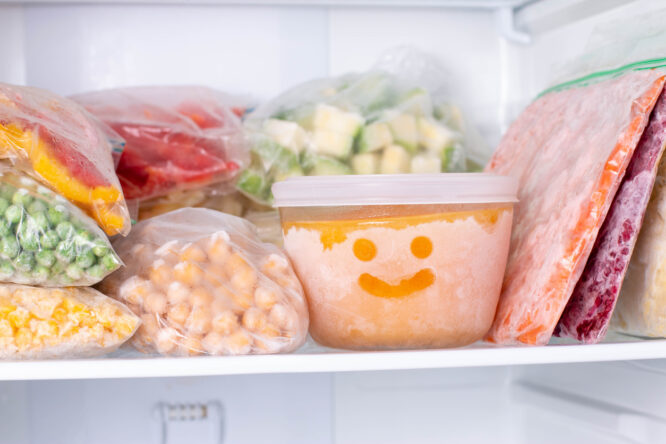
While some greens survive the freezing process perfectly fine, others turn into a sad, mushy mess the moment they thaw out. This isn’t just about losing that satisfying crunch; freezing the wrong produce really ruins the texture, flavour, and nutritional value, leaving you with something that’s practically unusable. Before you try to save your latest supermarket haul from going off, here are the four vegetables you should always keep far away from the freezer if you want to avoid a culinary disaster.
Lettuce and salad leaves don’t survive the freezer.
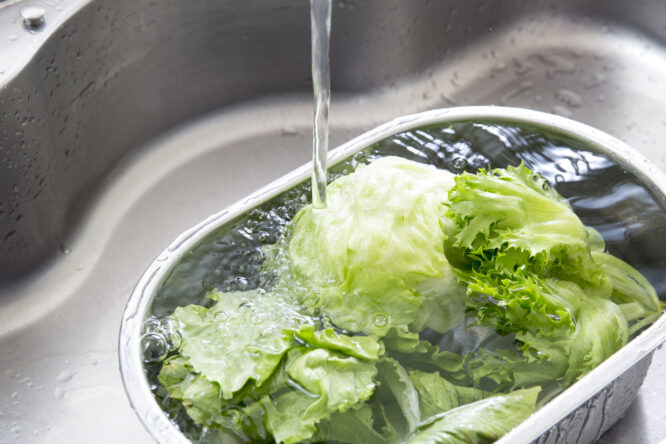
Lettuce stays crisp because of water pressure inside its cells. That’s what gives it that satisfying crunch when you bite into it. When it freezes, ice crystals form and punch through those cell walls, and once that happens, there’s no coming back. Thawed lettuce goes limp and watery, and no amount of draining or drying it out is going to fix it.
The same goes for most salad leaves, spinach, rocket, watercress, all of it. If you’ve ever accidentally pushed a bag of salad too far back in the fridge and it froze against the back wall, you’ll know exactly what happens. It’s not pleasant. The one exception is if you’re planning to cook with it because frozen spinach works really well in soups, pasta sauces, and egg dishes where you don’t need the texture to be intact.
Cucumbers are basically water, and that’s the problem.
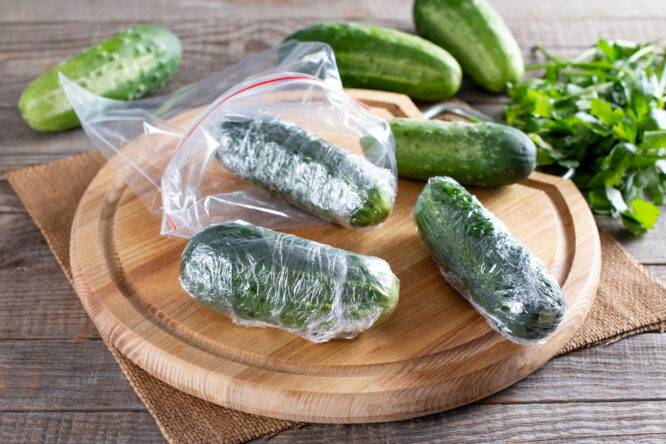
Cucumbers are about 95% water, which is part of why they’re so refreshing to eat. It’s also why freezing them is a disaster. All that water expands when it freezes, damages the structure of the cucumber, and then floods out when it thaws. What you’re left with is something soft and waterlogged that doesn’t really resemble what you put in.
There’s no real use case for a frozen cucumber, either, unlike some of the others on this list. You can’t cook it into something and save it that way. It’s just a vegetable that’s meant to be eaten fresh, so it’s worth buying it closer to when you need it rather than trying to stock up and freeze it.
Tomatoes change completely once they’ve been frozen and thawed.

Tomatoes are a bit more nuanced because freezing doesn’t ruin them for all purposes, it just changes them in a big way. Inside a tomato, there are several chambers full of juice and seeds, and those structures break down when frozen. Once thawed, everything collapses and you end up with something much softer and wetter than what went in.
If you want to use them in a sauce, a soup, or a stew, frozen tomatoes are actually fine because you’re cooking them down anyway, and the texture doesn’t matter. But if you were hoping to slice them for a salad or use them in a bruschetta, they’re not going to work. In summer, when tomatoes are good, it’s worth using them fresh and only freezing any surplus if you know you’ll be cooking with them.
Celery loses its crunch and becomes a bit stringy.
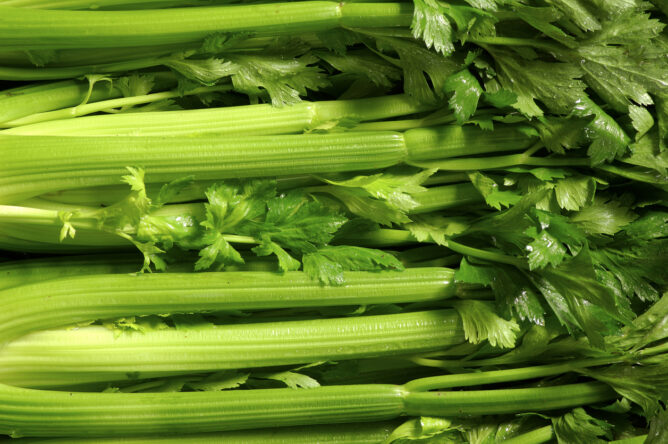
Celery is all about that snap when you bite into it. The rigid, fibrous structure is what makes it satisfying to eat raw or in something like a chicken salad. Freezing breaks down those fibres and releases the water content, so thawed celery tends to be limp and slightly stringy rather than crisp. It’s not what you want if you’re building a platter of crudités or adding it raw to something.
That said, it does still work in cooked dishes. Celery is often one of the base vegetables in a soffritto or a mirepoix, the combination of onion, carrot, and celery that forms the flavour base for all sorts of soups and stews. Bags of frozen mirepoix already include it for exactly that reason. So, if you’ve got celery that’s about to go off and you know you’ll use it in cooking, freezing it for that purpose is a reasonable call.
Texture is important when it comes to food.
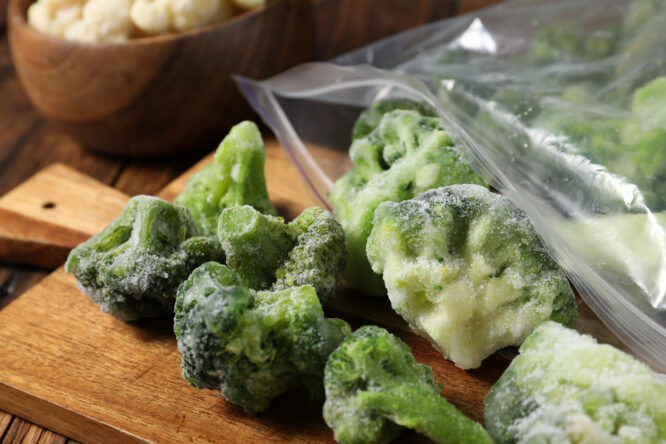
It might seem like texture is a minor thing compared to the nutritional side, but it affects how much you enjoy eating something and whether you’ll bother eating it at all. A soggy cucumber or a limp lettuce leaf isn’t just less pleasant, it’s something most people will quietly avoid putting on their plate. If vegetables aren’t enjoyable to eat, they don’t get eaten, and that’s the bigger problem.
There’s also the fact that the eating experience involves more than just taste. How something feels when you chew it, how much resistance it gives, whether it feels fresh or tired, all of that shapes whether a meal feels satisfying. Vegetables that should be crunchy and aren’t tend to make the whole dish feel a bit off, even if everything else is fine.
There are plenty of vegetables that actually do freeze well.
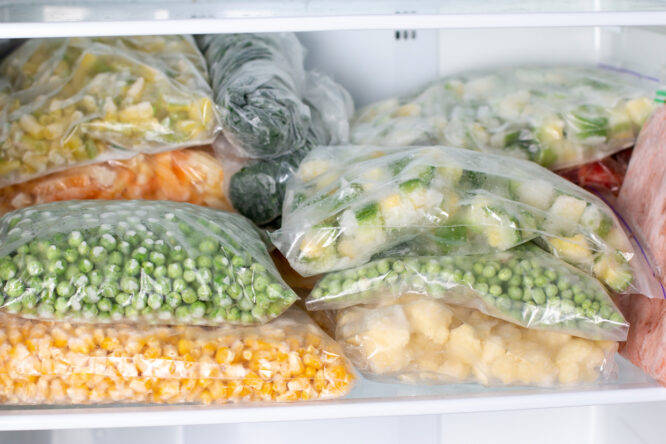
Knowing what works well in the freezer helps you make the most of it. Peas, sweetcorn, broad beans, broccoli, cauliflower, green beans, and most root vegetables all freeze brilliantly. They’re the reason frozen vegetables have a good reputation nutritionally because they’re often frozen quickly after harvesting and can retain more nutrients than fresh produce that’s been sitting in transport and on shelves for several days.
Frozen spinach and kale are also useful to have around, even if fresh is better for salads. They’re good for smoothies, soups, pasta dishes, and anything where they’re being wilted down anyway. Keeping a few bags of frozen veg in the freezer alongside fresh is actually a sensible way to shop because it means you always have something available even when you haven’t made it to the shops.
It’s possible to make fresh vegetables last longer before they need to go in the freezer.

A lot of the frustration around vegetables going off comes down to storage rather than the vegetables themselves. Leafy greens lose moisture fast if they’re just sitting on a fridge shelf, and they do much better in the salad drawer with the humidity setting turned up if your fridge has that option. Keeping them in a container with a bit of airflow rather than a sealed bag helps too.
Highly perishable things like cucumber, lettuce, and fresh tomatoes are best bought with a plan for when you’ll use them. If you’re not cooking until Thursday, buying cucumber on Monday and hoping it lasts isn’t always a great strategy. Saving those for earlier in the week and using sturdier vegetables like carrots, cabbage, and broccoli towards the end tends to reduce waste considerably.
Shopping with the week in mind makes a real difference.
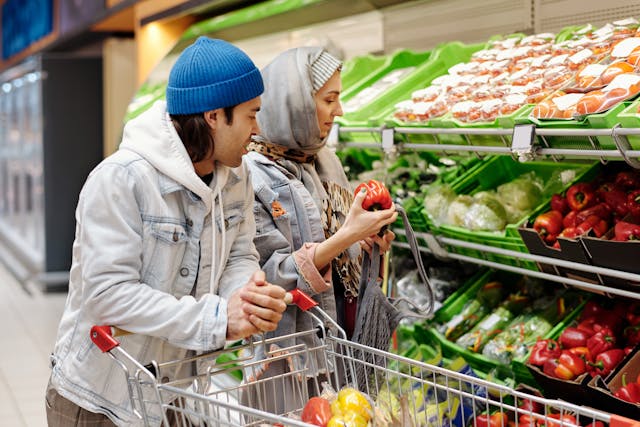
It sounds obvious but thinking about the order you’ll eat things before you put them in the trolley helps a lot. Use the most delicate things first, save the longer-lasting ones for later in the week, and only buy what you actually have a plan for. That approach cuts down on waste without requiring you to change much about how you cook.
Buying in season is worth doing too where you can because seasonal vegetables tend to be fresher when they reach you and often taste better for it. They’ve usually spent less time in transit and cold storage than out-of-season imports, which means the flavour and texture are closer to what they should be. It’s not always cheaper, but it often is, particularly for things like courgettes and tomatoes in summer.
If your fridge keeps freezing your vegetables, here’s what to check.
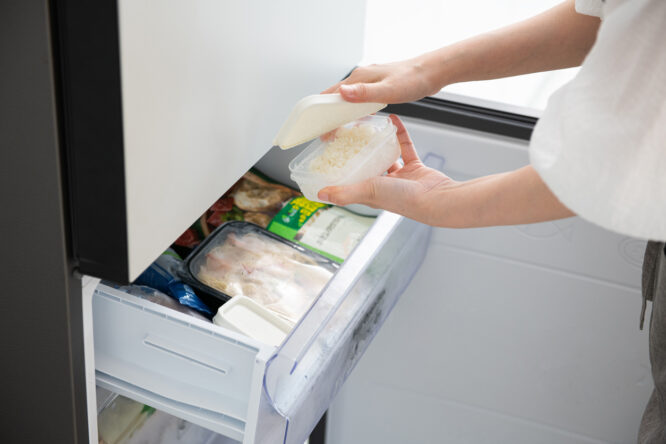
Sometimes the problem isn’t a decision to freeze something, it’s that the fridge is doing it accidentally. If you keep finding your salad leaves or cucumbers frozen solid, the fridge temperature might be set too cold or there might be a cold spot near the back where produce gets too close to the cooling element. A fridge thermometer is worth having if this keeps happening because the thermostat dial isn’t always accurate.
Using the crisper drawers rather than leaving vegetables on the shelves helps, and so does not overfilling the fridge. When it’s packed too tightly, cold air can’t circulate properly and you end up with inconsistent temperatures throughout. A bit of space between things makes more difference than most people expect.