Turning 50 doesn’t mean your diet should stay exactly the same as it was in your 20s.

Your body needs different things with every passing year, and eating in a way that matches those changes can make a real difference to how you feel day to day. If you want to ensure you’re eating well through your 50s and 60s, here’s what to eat more of, what to cut back on, and how to actually make it all happen without a huge amount of hassle.
Your body’s needs change as you get older.

As you age, your metabolism, the process your body uses to turn food into energy, naturally slows down. This often means your calorie needs change, too, though exactly how much depends on things like how active you are and your overall health.
If you do need to eat fewer calories overall, it becomes even more important to focus on foods that are packed with nutrients, rather than ones that are just filling. Getting the most out of every meal matters more than it did when you were younger.
Fresh fruit and vegetables should form a big part of your plate.

Fruit and vegetables provide a huge range of nutrients your body needs to keep functioning well as you age. Making sure they show up regularly across your meals supports your overall health in the long run.
Beyond just fresh produce, low-fat dairy, lean meats and vegetables all tend to be naturally low in saturated fat too. Cutting back on saturated fat specifically helps lower your risk of high cholesterol, heart disease and stroke, three things worth paying attention to as you get older.
Calcium and vitamin D matter more than ever after 50.

Dairy products, or fortified dairy alternatives if you prefer plant-based options, provide vitamin D and calcium, both essential for keeping your bones strong. This becomes particularly important for women going through menopause, since falling oestrogen levels can lead to weaker, more fragile bones over time.
Choosing low-fat dairy or fortified alternatives lets you get these important nutrients without loading up on extra fat elsewhere in your diet. It’s a small swap that supports long-term bone health.
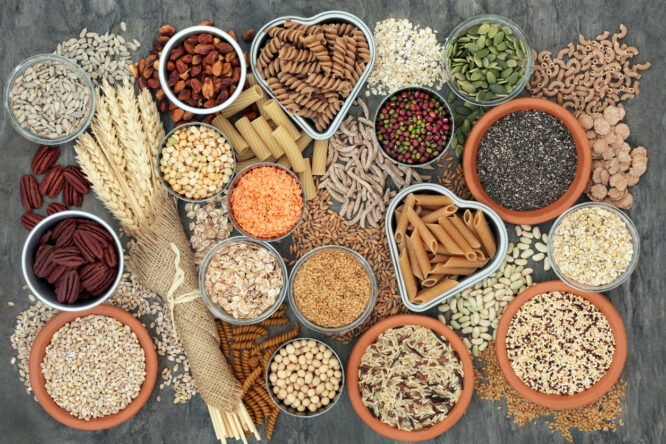
Whole grains help keep your blood sugar steady.

Foods like brown rice, wholemeal bread and quinoa all have what’s called a low glycaemic index, meaning they release energy into your bloodstream slowly rather than all at once. This helps keep your blood sugar levels more stable throughout the day, rather than spiking and crashing.
Swapping white bread or white rice for wholegrain versions is a simple change that can make a meaningful difference to how steady your energy feels between meals.
Protein still matters, but the source counts too.

Eating too much red meat has been linked to a higher risk of heart disease and colorectal cancer, so it’s important to be mindful of how often it shows up on your plate. Leaner proteins, or plant-based alternatives like beans and lentils, offer a healthier way to meet your protein needs.
This doesn’t mean cutting red meat out completely, just being a bit more thoughtful about balance, mixing in other protein sources throughout the week rather than relying on it every day.
Certain foods should be eaten only on occasion.

Foods high in sugar, like ice cream, pastries, and chocolate, should be enjoyed in moderation rather than regularly. The same goes for highly processed foods like bacon, sausages and deli meats, alongside anything particularly high in saturated fat, including butter, hard cheeses and pastries.
Being mindful of these foods helps reduce your risk of common conditions that become more likely with age, including high cholesterol, type 2 diabetes and heart disease. None of this means giving them up entirely, just keeping an eye on how often they show up.
Planning your meals ahead of time makes healthy eating easier.
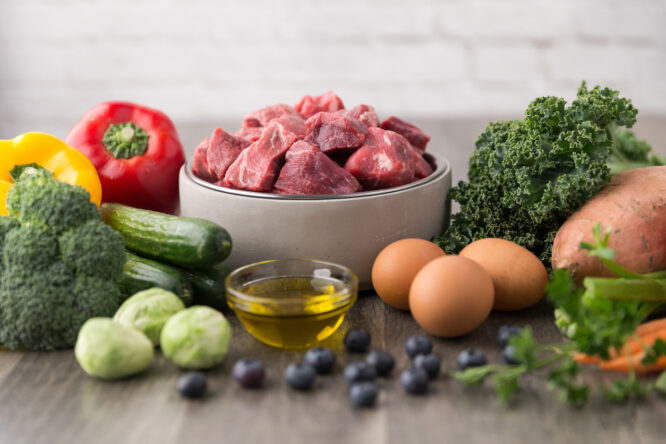
Outlining your meals for the week, making sure each one includes a good balance of protein, carbohydrates, healthy fats and plenty of fruit and vegetables, helps you stay on track with your nutritional needs. It also keeps your diet varied enough that you’re less likely to get bored with what you’re eating.
Batch cooking is a useful trick here too. Soups and stews work particularly well, but almost any meal can be made in a larger batch and frozen or chilled for later, cutting down on how much daily effort cooking actually takes.
Pre-prepared foods can help, too.

If cooking from scratch every day isn’t something you enjoy, buying healthy pre-prepared options is a perfectly good alternative. Pre-cut, tinned or frozen vegetables cut down considerably on preparation time, letting you still eat nutritious meals without spending hours in the kitchen.
How you cook matters just as much as what you cook, too. Steaming, baking, or grilling food tends to keep more of its natural nutrients intact compared to frying, while also cutting back on how much extra oil you’re using.
Certain health conditions call for extra care with food choices.

Conditions like diabetes, high blood pressure or high cholesterol often mean paying closer attention to what you eat. High salt intake in particular plays a real role in high blood pressure, heart disease and stroke, so check how much salt is hiding in your usual meals.
Digestive changes are common too as you get older, but they can often be eased through simple dietary tweaks. Eating enough fibre supports healthy digestion, while cutting back on foods that trigger issues, like the lactose found in dairy for some people, can make a noticeable difference.
Some medications interact with certain foods or drinks.

Certain medications don’t mix well with specific foods or drinks, so it’s always worth following your doctor’s guidance closely if they’ve flagged anything to avoid. Alcohol in particular can interact with some medications, sometimes making them less effective.
If you’re ever unsure what you should be avoiding while taking a particular medication, checking directly with your doctor remains the safest way to get a clear answer.
Staying active supports your health just as much as diet does.

Gentle, low-impact activities like swimming, yoga, and cycling are great options for staying active in your fifties and sixties, since they’re kind on your joints while still helping maintain muscle strength. Finding something you enjoy makes it far easier to stick with long term.
Aiming for around 150 minutes of activity a week, roughly 30 minutes a day across five days, gives your body consistent movement without needing to overhaul your entire routine overnight.
Staying properly hydrated matters just as much as eating well.

Drinking enough water supports your brain function, digestion and countless other processes happening throughout your body. If you’re exercising regularly, replacing the fluids you lose becomes even more important.
A simple way to check if you’re drinking enough is looking at the colour of your urine, aiming for a pale yellow shade. Anything noticeably darker is often your body’s way of signalling it’s time to top up your fluids.