We’d all love bright, clear skin, but not all of us are lucky enough to have it—at least not naturally.
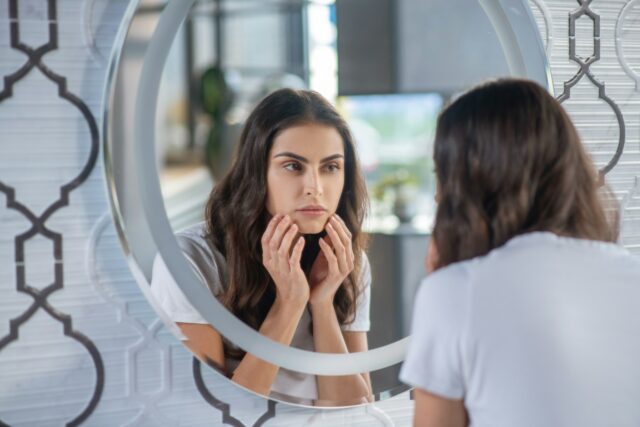
If you spend more than about five minutes on TikTok or Instagram, you’ll eventually end up watching somebody insist they cured their acne by cutting out dairy or giving up sugar forever. Skin advice online has become a strange mix of science, marketing, and personal stories presented as universal truth.
The problem is that acne is a lot more complicated than social media often makes it sound, and according to dermatologists, many people are wasting money, restricting foods unnecessarily or blaming themselves for something that usually isn’t that simple.
Acne usually has more to do with hormones and genetics than your diet.

One of the biggest things dermatologists want people to understand is that acne isn’t normally caused by somebody eating “badly.” For most people, acne is driven mainly by hormones, genetics, oil production, and inflammation inside the skin. That means somebody can eat very healthily and still struggle with breakouts, while somebody else lives on takeaway food and barely gets a spot.
That’s important because people often end up feeling guilty or ashamed about their skin. They start believing every breakout is punishment for eating chocolate or having a takeaway at the weekend. Dermatologists say that mindset can become emotionally exhausting, especially for teenagers and adults already feeling self-conscious about acne in the first place.
Dairy might affect acne for some people, but it’s not a universal trigger.
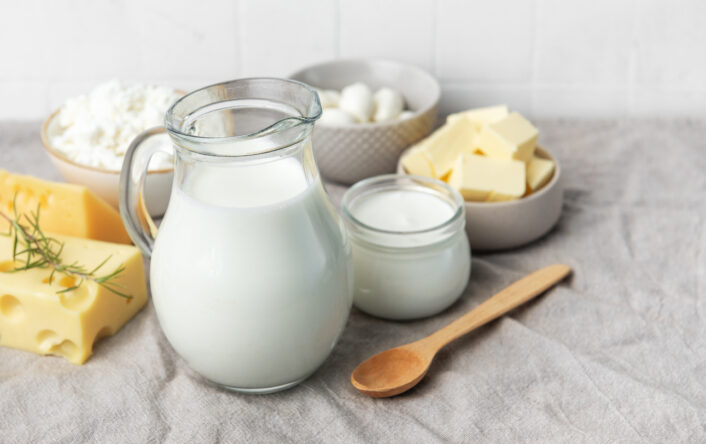
There’s some evidence suggesting dairy can worsen acne in a small group of people, but even dermatologists admit the picture is far from clear. Low-fat dairy products seem more closely linked with acne than full-fat dairy, although researchers still don’t fully understand why.
Some people also notice improvements after cutting out whey protein supplements, which are commonly used in fitness shakes and gym products. However, that doesn’t mean everybody with acne should immediately stop eating yoghurt or cheese. Dairy is a huge category of foods, and what affects one person may not affect another at all.
High-sugar diets may play a role, but greasy foods are often blamed unfairly.

Greasy foods have been blamed for acne for decades, mostly because it sounds believable. People imagine oily chips somehow turning directly into oily skin. In reality, dermatologists say the evidence is much stronger for foods with a high glycaemic index, meaning foods that rapidly spike blood sugar levels.
That includes things like sugary snacks, white bread, fizzy drinks and heavily processed foods eaten constantly over time. Even then, it’s not as simple as saying sugar “causes” acne. It’s more that consistently high-sugar diets may increase inflammation and hormone changes that can worsen acne in some people.
Social media often oversimplifies skin problems.

Online skincare advice tends to work in extremes because extreme claims attract attention. Saying “this one thing cured my acne forever” gets far more clicks than explaining that skin conditions are complicated and vary massively between people. The result is a constant stream of miracle fixes that often leave people disappointed.
Dermatologists say many people arrive at clinics after trying endless restrictive diets, expensive supplements or harsh skincare routines they found online. Some have spent hundreds of pounds chasing solutions that were never backed by proper evidence in the first place. Others have made their skin barrier worse through over-cleansing and aggressive products.
Cutting out too many foods can create bigger problems.
One concern dermatologists increasingly raise is the link between acne advice and unhealthy eating habits. People become so afraid of triggering breakouts that they start removing huge groups of foods from their diets without proper medical advice. Over time, that can become physically and emotionally damaging.
Food guilt can spiral surprisingly quickly, especially online, where “clean eating” culture often treats normal foods like moral failures. Dermatologists stress that there aren’t really “good” and “bad” foods when it comes to acne. Moderation and long-term balance matter far more than obsessively avoiding individual ingredients.
Supplements are often marketed far more confidently than the science supports.
There’s growing interest around supplements linked to skin health, including zinc, probiotics, omega-3 fatty acids and vitamins A and E. Some small studies suggest they may help certain people with acne-prone skin, but the evidence is still fairly limited overall.
The problem is that supplement marketing often makes weak evidence sound far more dramatic than it really is. People end up spending a fortune on pills, powders, and gummies expecting major skin transformations that never happen. Some supplements can also cause side effects or interact with medications when taken in high doses.
Too much vitamin A can actually be dangerous.
Vitamin A gets talked about a lot in acne discussions because prescription acne medications like isotretinoin are related to vitamin A compounds. That sometimes leads people to assume taking large amounts of vitamin A supplements must help, too. Dermatologists strongly warn against making that leap.
Too much vitamin A can cause serious health problems, especially during pregnancy. This is why dermatologists recommend speaking to a GP or healthcare professional before taking high-dose supplements for acne. More isn’t always better when it comes to skin health.
Stress and mental health can become part of the acne cycle.

Acne is often treated like a purely cosmetic issue, but dermatologists say the emotional side can be extremely serious. Many people with acne struggle with anxiety, low confidence, social withdrawal and depression. Even mild acne can affect somebody’s self-esteem far more than outsiders realise.
Stress itself may also worsen breakouts in some people, creating a frustrating cycle where acne increases anxiety, and anxiety then aggravates the skin further. That’s one reason dermatologists say acne deserves proper medical attention, rather than being dismissed as vanity or something people should simply “grow out of”.
Professional treatment is often more effective than internet hacks.
Many acne treatments backed by proper medical evidence are available through GPs and dermatologists, including prescription creams, antibiotics, hormonal treatments and stronger medications for severe acne. Yet plenty of people delay seeking help because they keep hoping the next viral food trend will finally solve everything.
Dermatologists say early treatment matters because acne can leave both physical scars and emotional scars if left unmanaged for too long. Instead of endlessly experimenting with expensive products and restrictive diets, getting professional advice often saves people time, money, and frustration in the long run.
Healthy eating still matters, just not in the magical way social media claims.

None of this means diet is irrelevant. Eating a balanced diet supports overall health, including your skin. Drinking enough water, getting proper nutrients and avoiding extremely processed diets all help your body function better generally. But dermatologists say healthy eating should be viewed as one part of the bigger picture, rather than a miracle acne cure.
For most people, there’s no single food secretly destroying their skin. Acne is usually the result of several factors overlapping at once, many of which are outside personal control. That’s why dermatologists keep repeating the same message people online often ignore: if acne was as simple as cutting out one ingredient, we would have solved it properly years ago.