Most of us spend a small fortune on expensive face creams, serums, and cleansers to keep our skin looking fresh and wrinkle-free.

We strictly follow complicated routines to protect our face, but a lot of people completely ignore their hands, which are constantly exposed to the elements, harsh soaps, and sun damage. Because the skin on the back of your hands is incredibly thin, it loses elasticity fast, making it one of the very first places to show dark spots and fine lines.
It’s no use keeping your face looking flawless if your hands completely give the game away. Adding this one simple, targeted step to your daily skincare routine is the easiest way to protect your skin from premature ageing and keep your hands looking as young as you feel.
Your hands age faster than your face.

According to Marc Peterson, creator of Skincare Lab, hands tend to show signs of age well before the face does, yet they rarely get the same attention or budget spent on them. People pour effort into their facial skincare while completely forgetting their hands need exactly the same kind of care to stay looking youthful.
The same issues that show up on the face eventually appear on the hands too, including thinning skin, lost volume, wrinkles, prominent veins, and sunspots. Since hands are constantly exposed and used for almost everything throughout the day, these signs often appear noticeably earlier than they would on the face.
Addressing the problem is easier than you’d think.
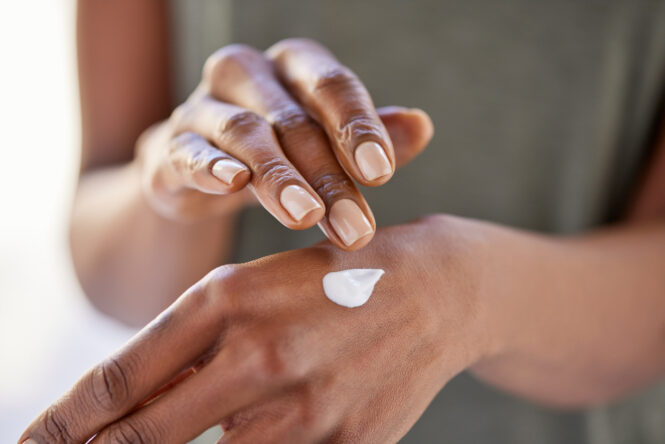
The encouraging part is that hands don’t need a completely separate routine to look better. The same anti-ageing treatments already being used on the face can simply be applied to the hands too, making it an easy habit to fold into an existing routine rather than starting from scratch.
Skin naturally gets thinner with age, and hands are especially prone to drying out from frequent washing and regular use of hand sanitiser. This makes hydration one of the simplest and most effective places to start.
Moisturising after washing is really important.
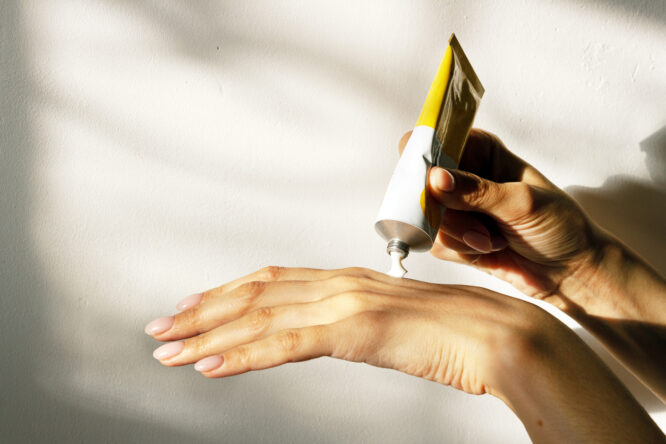
Peterson explained that hydration is a great place to begin, since the skin on the hands gets dehydrated easily from how often they’re washed throughout an average day. Each wash strips away natural oils, leaving skin more vulnerable to dryness and the fine lines that come with it.
He recommends using a cream rich in hyaluronic acid and ceramides, ingredients known for replenishing and locking in moisture effectively. Reapplying after every single hand wash is the habit that makes the biggest difference, rather than only moisturising once or twice a day.
Sunscreen belongs on your hands too,

Sun protection is just as important for hands as it is for the face, yet it’s one of the most commonly skipped steps. Applying SPF daily helps reduce the formation of age spots, which are one of the clearest visible signs of hand ageing over time.
Peterson stressed the importance of using sunscreen daily to prevent further damage that leads to wrinkles, age spots, and a loss of collagen. Many of the signs people associate with ageing are actually the result of accumulated sun damage rather than ageing itself, which means consistent protection can genuinely slow the process down.
Don’t forget cloudy days or reapplication.
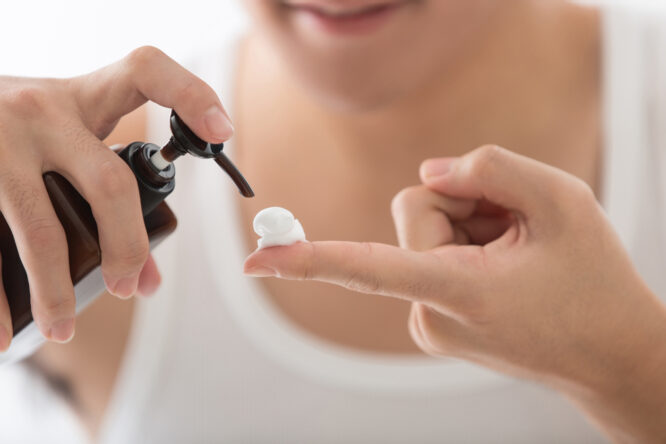
UV rays don’t disappear just because the sky looks grey, so sunscreen needs to go on regardless of the weather outside. Skipping it on overcast days still leaves hands exposed to the same damage that builds up gradually over years.
Reapplying throughout the day matters too, since sunscreen naturally wears off through regular handwashing and everyday activity. For moments when reapplying isn’t practical, wearing gloves can offer a simple, effective backup layer of protection against UV rays.
Protecting hands during chores and gardening should also be a priority.

Everyday tasks like cleaning and gardening can be surprisingly harsh on the skin, often without people realising it at the time. Hot water, strong detergents, and hours spent gardening can all dry out and irritate the skin, speeding up visible signs of ageing.
Wearing gloves for these tasks creates a simple barrier against this kind of damage, protecting hands from the combination of heat, chemicals, and friction that builds up over repeated exposure. It’s a small habit that’s easy to overlook but genuinely effective at preventing long-term damage.
What causes age spots in the first place?
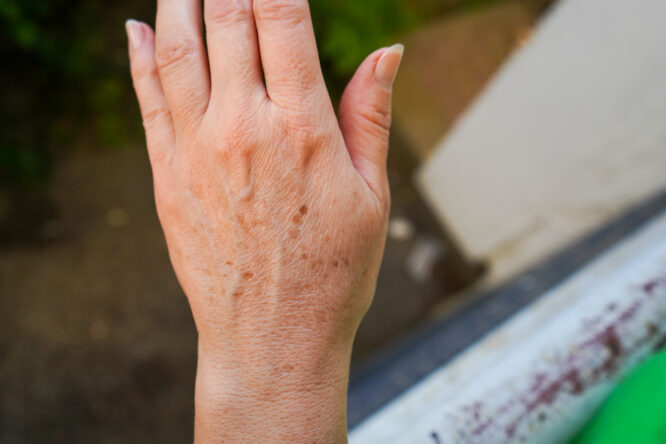
Age spots tend to show up more prominently on the hands than almost anywhere else on the body, often becoming noticeable from around the age of 40 onwards. While they’re completely harmless from a health perspective, plenty of people simply prefer a smoother, more even look.
Since these spots are largely linked to accumulated sun exposure over the years, consistent SPF use remains one of the most effective ways to prevent new ones forming, alongside targeted creams designed to minimise their appearance over time.