Scientists have found some worrying signs that a dangerous type of germ could be moving between our pets and their owners.

This germ is really hard to treat with normal medicine, and it’s already known for causing serious problems in hospitals. New research suggests cats, dogs, and horses might be silently passing versions of this germ back and forth with the humans who live closely with them. Here’s what scientists actually found, and what it might mean for pet owners.
Researchers found a tough germ hiding in unexpected places.

Back in 2022, some baby chickens and ducks that didn’t survive were sent to a lab in China for testing. Inside their bodies, scientists found a germ called Acinetobacter baumannii, which health experts consider one of the most dangerous germs in the world because it’s so hard to treat with normal medicine.
This germ is already well known for spreading through hospitals, especially in intensive care units, where it can resist even the strongest medicines doctors have left to try. Scientists have also started noticing it can jump between animals and people, which is exactly why finding it in these baby birds caught their attention.
The chicken germs weren’t actually the scary part.
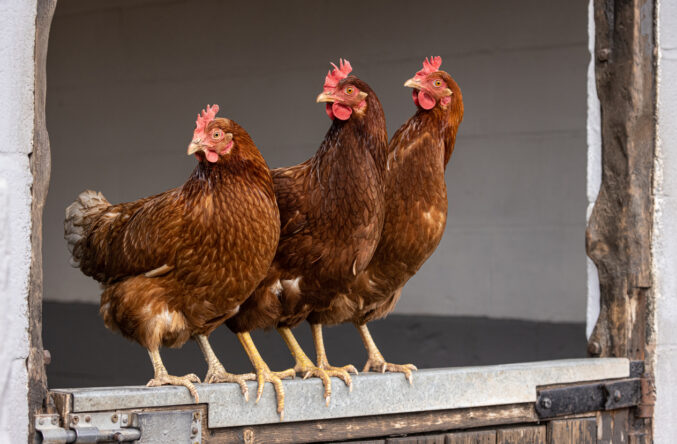
Interestingly, the specific germs found in the chickens and ducks weren’t resistant to much of anything at all. This was actually a bit surprising, since farm animals have often been blamed for spreading drug resistant germs in the past.
When scientists compared these farm animal germs to versions found in humans and pets like cats and dogs, they discovered the real problem wasn’t coming from farms at all. It was coming from somewhere much closer to home, inside our own houses.
Scientists studied hundreds of samples from all over the world.

Researchers gathered genetic information from over 500 samples of this germ, collected from animals across 17 different countries and 33 different species. This included everything from wild storks in Poland to cats, dogs, and horses visiting vet clinics across Europe.
They also compared this animal data against thousands of samples taken from sick people in hospitals in the same areas, along with the new information from the baby chickens. Putting it all together gave scientists a much clearer, and slightly worrying, picture of what’s actually going on.
Pets and farm animals carry very different versions of the germ.
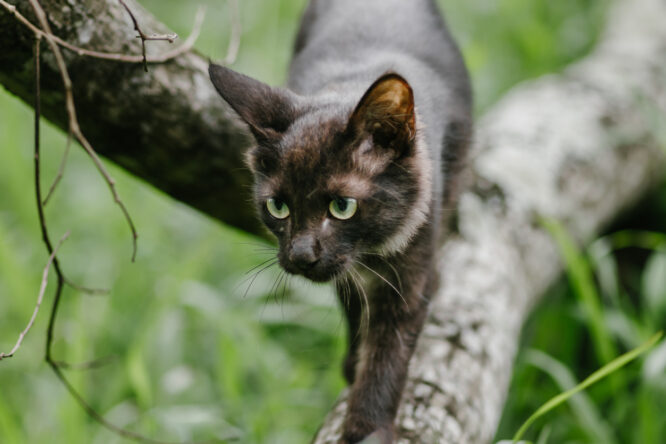
The scientists found that this germ splits into two different groups depending on which animal it comes from. One group, found mainly in horses, cats and dogs, tends to be much harder to treat with medicine. The other group, found in farm animals, birds and wild animals, tends to be much easier to treat.
Using a system that groups similar germ types together, scientists found one particular type showed up again and again, specifically in pets. This same type turned up in nine different kinds of animals, mostly cats, dogs, and horses.
Pet germs look almost identical to germs found in hospitals nearby.
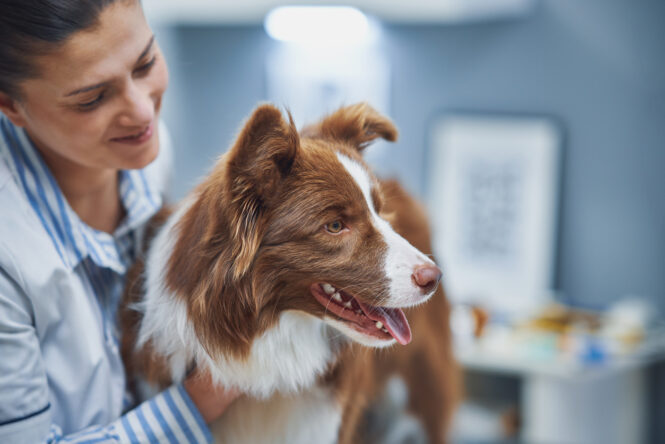
When scientists compared the genetic makeup of germs found in cats, dogs and horses to germs making people sick in nearby hospitals, they were almost exactly the same, matching up over 99% in some cases. That’s an extremely close match.
Germs found in farm animals, birds, and other wildlife were far less similar to the human hospital germs, usually only matching up around 97 to 98%. This big difference is exactly why scientists think pets, not farm animals, might be the ones more likely to be swapping this germ with humans.
Pets carried something farm animals never should.

Some of the germs found specifically in cats and dogs carried special genes that make them resistant to a type of extremely strong antibiotic doctors only use as a last resort. These particular medicines are never even allowed to be used on farm animals in the first place.
None of these resistant genes showed up in any of the farm animal, bird, or wildlife samples at all. Finding them specifically in pets, and nowhere else, is exactly what’s made scientists sit up and pay closer attention to this issue.
This doesn’t mean your pet is making you sick.

It’s important to be clear here, scientists haven’t actually proven that any specific pet has passed this germ directly to any specific person. What they’ve found is more like a genetic trail suggesting this kind of jump between species is genuinely possible, and may already be quietly happening.
Living closely alongside pets, sharing beds, sofas and everyday spaces, likely plays a role in why this seems to happen more with pets than with farm animals, which people simply don’t come into contact with in the same close, everyday way.
Scientists say more research is genuinely needed.

Experts have already been calling for more testing to properly understand exactly how, and how often, germs like this move between different species. This new study offers some genuinely useful clues, but there’s still a lot more to learn. Going forward, scientists plan to collect even more samples, from paws, feathers, hooves, and the people standing right next to them, to figure out exactly how easily this particular germ slips between pets and their owners.