Gum disease is one of those common health problems that affects millions of UK adults, often without them realising just how serious it can become.
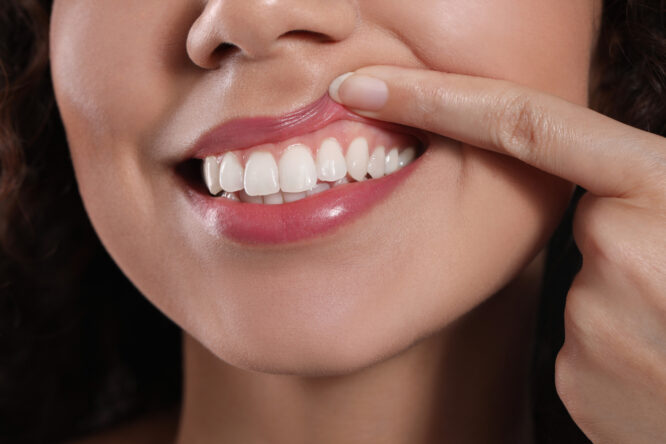
New research has just thrown up a surprising new angle on how to tackle it. Scientists have found that following a short, low-calorie diet a few times a year could meaningfully reduce the inflammation linked to gum disease. The findings suggest that what you eat may have far more influence on your gum health than most of us realise. Here’s what the research actually shows, and what it might mean for anyone trying to look after their teeth and gums.
What is gum disease?

Gum disease is an infection of the tissues that hold your teeth in place, usually caused by a build-up of plaque on and around the teeth. In its early stage, called gingivitis, you might notice red, swollen or bleeding gums when you brush. Left untreated, it can progress to a more serious form called periodontitis, where the gums and bone supporting your teeth start to break down.
Periodontitis is extremely common, affecting millions of people around the world. It’s also been linked to a long list of other health problems, including heart disease, type 2 diabetes and even some forms of dementia. So looking after your gums isn’t just about keeping your smile in good shape, it’s about protecting your overall health too.
How gum disease is normally treated

The standard approach to treating gum disease focuses on removing plaque and bacteria from around the teeth, usually through professional cleaning at the dentist. Good daily oral hygiene at home, including proper brushing, flossing and using interdental brushes, keeps things from building back up. For severe cases, deeper cleaning treatments or even surgery may be needed.
What’s been changing recently is the recognition that diet and lifestyle play a much bigger role than dentists used to assume. The latest research is part of a growing body of work looking at how what we eat can either fuel or calm the inflammation that drives gum disease. The new fasting study is one of the most striking pieces of evidence so far.
The study that’s got dentists talking

Researchers from King’s College London looked at 28 patients in Spain with gum disease and split them into two groups. One group followed a short-term low-calorie diet a few times across six months, while the other carried on eating as normal. The fasting-style diet involved 1,100 calories on the first two days, dropping to 750 calories for the next three days, then gradually returning to normal eating over the rest of the week. Each cycle lasted around a week, and was repeated three times across the six-month period.
After six months, the researchers analysed samples from the participants’ blood and from a special fluid that sits in the small gap between gums and teeth. The fasting group showed big reductions in inflammation markers in both samples, plus lower levels of C-reactive protein, which is a widely used measure of inflammation across the whole body. The group that kept eating as normal didn’t show the same improvements.
Why fasting seems to help

Several different mechanisms are likely at play here. Fasting reduces oxidative stress in the body, which is a common driver of inflammation and cell damage. Cutting back on high-calorie foods and refined carbohydrates, the kinds of things found in cakes, biscuits, white bread and sweet drinks, also reduces inflammation since these foods can stir it up in the body.
There may also be benefits to the gut microbiome, the vast community of bacteria living inside your digestive system that helps regulate immunity and inflammation across the body. A healthier microbiome has been linked to better outcomes across all sorts of conditions, and fasting seems to encourage a more balanced mix of bacteria. The full picture is still being researched, but the early results are encouraging.
What the fasting-mimicking diet actually looks like

The diet used in the study is sometimes called a fasting-mimicking diet, since it lets you keep eating while still triggering many of the same benefits as a proper fast. Participants reported that the diet was relatively easy to stick to, which makes it more practical than full-on water-only fasting. The five-day cycle included plant-based foods, with controlled portions of soups, nuts, olives, herbal teas and similar items.
The structure of the diet, with a few hundred calories spread across several small portions each day, helps keep hunger manageable while still putting the body into a fasting state. Crucially, this isn’t a long-term restriction. The diet is followed for just five days at a time, with the rest of each month spent eating normally. So it’s very different from continuous calorie cutting or strict daily fasting.
The bigger picture for oral health

The new findings sit alongside a growing body of research showing that diet plays a significant role in gum health. Earlier studies have found that following a Mediterranean-style diet, with lots of vegetables, fruits, whole grains, olive oil, nuts and oily fish, is linked to better gum health overall. Other research has shown that successful dental treatment can subtly lower a person’s risk of diabetes and heart disease.
The thread running through all of this is that the mouth isn’t a separate system from the rest of the body. Inflammation in the gums affects the rest of you, and inflammation elsewhere affects your gums. So eating in a way that reduces overall inflammation, whether through fasting cycles or sustained healthy eating, has knock-on effects across your whole health picture.
Who shouldn’t try fasting-style diets

While the research is encouraging, fasting isn’t right for everyone. Anyone with type 1 or type 2 diabetes, particularly if they’re on insulin or other medications, needs to be careful since blood sugar can swing dangerously during a fast. Pregnant women, breastfeeding mothers, children, and teenagers shouldn’t follow fasting diets either. People with a history of eating disorders should also avoid this kind of approach.
If you’re on any regular medication, take a chat with your GP before starting any fasting routine. Some medications need to be taken with food, and others may not work as well during a fast. The same goes for anyone with chronic illness, anyone who’s underweight, or anyone going through a stressful or demanding period in their life.
The everyday habits that protect your gums

Even if fasting isn’t right for you, there’s plenty you can do every day to keep your gums healthy. Brushing twice a day for two minutes with a fluoride toothpaste is the absolute foundation. Use a soft or medium-bristled brush and replace it every three months, or sooner if the bristles start to look frayed. Don’t scrub too hard, since aggressive brushing can actually damage your gums.
Flossing or using interdental brushes once a day removes food and plaque from the spaces between your teeth, where your toothbrush can’t reach. Mouthwash containing fluoride or antibacterial ingredients can also help, though it shouldn’t replace brushing and flossing. Regular dental check-ups, usually every six to twelve months, catch problems early before they become serious.
The foods that affect your gums

Diet plays a major role in gum health beyond any structured fasting routine. Sugary foods and drinks feed the bacteria in your mouth, which produces acid that damages both teeth and gums. Refined carbohydrates like white bread, biscuits, and crisps break down quickly into sugars too, which has the same effect over time.
On the helpful side, foods rich in vitamin C, such as peppers, citrus fruits, broccoli and strawberries, support healthy gums by helping with collagen production. Omega-3 fatty acids from oily fish, nuts, and seeds have anti-inflammatory effects across the whole body, including in the gums. Drinking plenty of water also helps wash away food particles and keeps saliva flowing, which is your mouth’s natural defence against decay and gum disease.
The signs of gum disease worth watching for

Catching gum disease early gives you the best chance of reversing it before it becomes serious. The early signs include red, swollen or tender gums, bleeding when you brush or floss, persistent bad breath, gums that look like they’re pulling away from the teeth, and any change in the way your teeth fit together when you bite.
If you notice any of these signs, book in with your dentist sooner rather than later. Early-stage gingivitis can usually be reversed with proper cleaning and improved home care. Once gum disease progresses to periodontitis, the damage to bone and tissue tends to be permanent, though it can still be controlled to stop it getting worse. The earlier you act, the better your long-term outcome.
What this research means for the future

The Spanish researchers behind the new study say they want to run a larger trial before fasting-style diets could be officially recommended as part of gum disease treatment. They’re also looking at how the benefits might apply to higher-risk groups who may not be able to fast safely, such as people with diabetes. So while the findings are exciting, this isn’t yet something your dentist is likely to prescribe.
What the research does do, though, is underline the link between what you eat and how your gums behave. Whether or not fasting becomes part of standard dental advice in the years ahead, the underlying message is clear. Looking after your gums isn’t just about your toothbrush. It’s about your whole approach to food, inflammation and long-term health.