People who gracefully embrace ageing have discovered something profound: that fighting the natural passage of time creates more suffering than acceptance ever could.

These people have developed specific habits and mindsets that allow them to find happiness, wisdom, and purpose in each new stage of life rather than desperately clinging to their youth. Here are some of the daily practices that allow them to see every passing year as a gift rather than a curse.
1. They focus on what their body can do instead of what it can’t.

Many people become fixated on physical limitations and changes that come with age, constantly comparing their current abilities to their younger selves. This focus on decline creates frustration and resentment.
Those who age well celebrate their body’s ongoing capabilities and adapt activities to match their current state. They’ll say, “I can still walk for miles even if I can’t run marathons” and appreciate that their hands can still create beautiful things, even if they’re not as steady.
2. They invest in meaningful relationships over superficial connections.
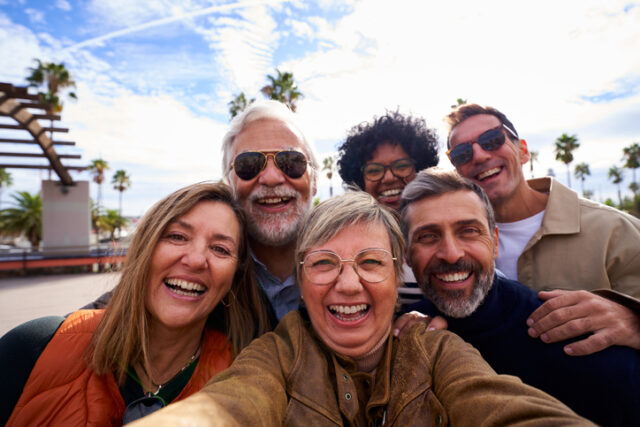
Younger people often prioritise having large social circles and maintaining connections that don’t add real value to their lives. This approach becomes exhausting and unfulfilling as you gain more life experience.
Mature individuals curate their relationships carefully, choosing depth over breadth and authenticity over appearances. They nurture friendships that bring genuine happiness while letting go of draining connections that no longer serve their wellbeing.
3. They share their knowledge without needing to prove their worth.

Some older adults become bitter about being overlooked and feel the need to constantly remind everyone around them of their experience. This approach creates resistance and makes younger people less likely to seek their guidance.
Those who embrace ageing offer their knowledge generously without attachment to recognition. They mentor people naturally and find satisfaction in helping people grow rather than demanding acknowledgment for their expertise.
4. They pursue interests that genuinely excite them.

Many people abandon hobbies as they age because they worry about looking silly or think certain activities are inappropriate for their age. Needless to say, that self-censorship robs them of happiness in their later years.
Age-positive individuals explore new passions without worrying about social expectations. They might take up painting, learn new languages, or pursue adventures because their own happiness matters more than other people’s opinions.
5. They speak honestly about mortality without becoming morbid.

Avoiding conversations about death and ageing creates anxiety and prevents people from making the most of their remaining time. This denial keeps them stuck in unrealistic expectations about the future.
Emotionally mature people discuss ageing naturally, using this awareness to prioritise what truly matters. They make practical preparations while maintaining optimism, treating death as a natural part of life rather than a taboo subject.
6. They dress for their current body and lifestyle.
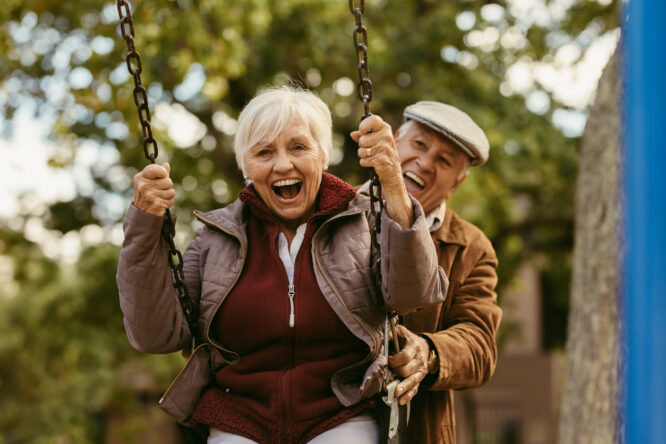
Clinging to clothing styles from decades past or trying to dress like much younger people often creates an uncomfortable disconnect. This mismatch can make people feel even older and more out of place.
Those who age gracefully develop a style that flatters their current body and reflects their personality authentically. They invest in quality pieces that make them feel confident, rather than chasing trends or trying to recapture their youth.
7. They embrace changes in their social role and identity.
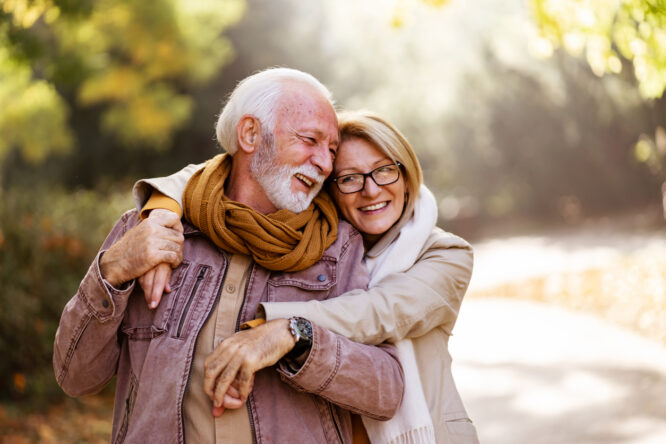
Fighting against changing roles, such as becoming empty nesters, retiring, or becoming grandparents, creates internal conflict and prevents joy in new life phases. Resistance to these changes often leads to depression and feelings of irrelevance.
Adaptable individuals welcome new roles and find purpose in different ways of contributing. They might discover that being a grandparent is more fulfilling than being a parent, or that retirement opens doors to volunteer work.
8. They practice gratitude for experiences rather than mourning lost youth.
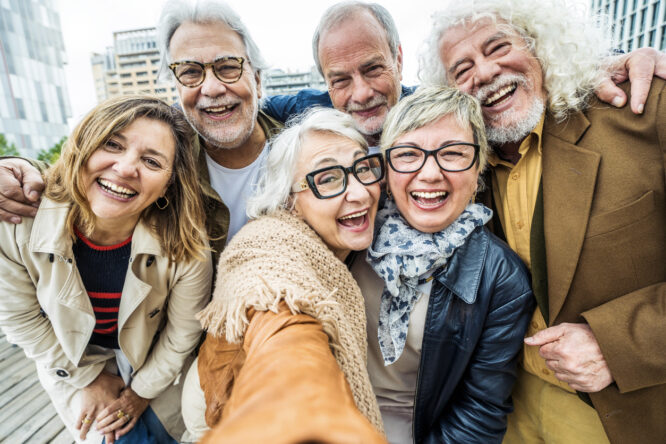
Constantly lamenting what you’ve lost or comparing your current life to previous decades creates persistent disappointment. This backward-focused mindset prevents appreciation of present joys and future possibilities.
Grateful individuals appreciate the richness of their accumulated experiences and the wisdom they’ve gained. They reflect on adventures they’ve had and challenges they’ve overcome with appreciation, rather than focusing on what they can no longer do.
9. They maintain curiosity about the world around them.

Some people become set in their ways and stop learning new things, which creates mental stagnation and disconnection from a rapidly changing world. This closed-minded approach makes them feel increasingly irrelevant and out of touch.
Lifelong learners stay engaged with current events, new technologies, and changing cultural trends without trying to be something they’re not. They ask questions and maintain genuine interest in understanding how the world continues to evolve.
10. They set boundaries around negative conversations about ageing.

Getting trapped in complaint sessions about aches, pains, and limitations creates a toxic cycle of negativity. These conversations reinforce feelings of decline and don’t provide any actual solutions or comfort.
Positive individuals redirect conversations towards more constructive topics, while still acknowledging real challenges. They might change the subject when discussions become too negative or share solutions rather than just dwelling on problems.
11. They invest in their health without becoming obsessed.

Ignoring health completely or becoming consumed with trying to reverse every sign of ageing, both create problems. Either extreme prevents people from finding a balanced approach to maintaining their wellbeing.
Balanced individuals take reasonable steps to maintain their health through good nutrition, appropriate exercise, and medical care without expecting to stop ageing entirely. They focus on feeling good rather than trying to perform like someone decades younger.
12. They find purpose in contributing to something larger than themselves.

Retirement and ageing can create feelings of uselessness if people don’t find new ways to contribute meaningfully. Without purpose, many individuals become depressed and feel like they’re just waiting for death.
Purpose-driven individuals discover ways to make a difference through volunteering, mentoring, creative projects, or family involvement. They understand that their value doesn’t end with their career and actively seek opportunities to contribute their skills.
13. They maintain intimate relationships and physical affection.

Many people assume that romance and physical intimacy naturally decline with age, but this belief often becomes a self-fulfilling prophecy. Accepting reduced intimacy as inevitable can damage relationships unnecessarily.
Those who age well continue nurturing intimate connections and adapting their physical relationships to their changing bodies. They communicate openly about their needs while finding creative ways to maintain closeness and affection with their partners.
14. They celebrate milestones and birthdays authentically.
Dreading birthdays and hiding your age creates shame around the natural progression of life, while robbing you of opportunities to celebrate achievements. Having a negative attitude towards ageing spreads to everyone around you and reinforces ageist attitudes.
Confident individuals own their age proudly and celebrate the wisdom and relationships they’ve accumulated. They throw parties, share their real age without embarrassment, and treat birthdays as achievements worth celebrating rather than disappointments to hide.