If your eyes feel sore, itchy or gritty at this time of year, you’re certainly not the only one.
The NHS says many people get dry eyes, and while it isn’t usually serious, it can be uncomfortable and annoying, especially in winter when the heating is on, the wind is cold, and we spend more time indoors looking at screens. The good news is that there’s plenty you can do at home to ease the symptoms, and your local pharmacist can help too. Here’s what causes dry eyes, as well as the simple steps the NHS recommends to help you find some relief.
What do dry eyes feel like?
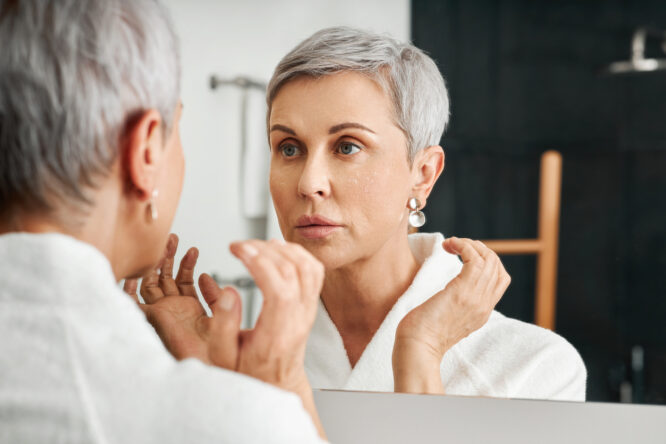
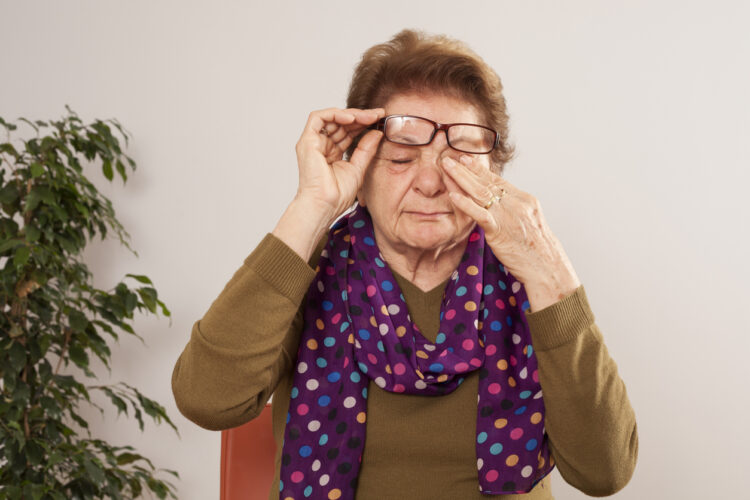
The NHS lists a range of symptoms, and you might have just one or two of them. Your eyes can feel itchy, sore or gritty, as if there’s sand or grit in them, and they can look red. Some people find their vision goes a little blurry, or that their eyes become more sensitive to light than usual.
It can seem odd, but dry eyes can also be more watery than normal. That’s because when your eyes are irritated they can produce extra tears to try to make up for it, but those tears don’t always do a good job of keeping the surface of the eye moist. So watery eyes in winter can sometimes be a sign of dryness rather than the opposite.
Winter makes the condition worse.

Dry eyes happen when you don’t make enough tears or your tears dry up too quickly. Winter brings together a lot of the things that make this more likely. The NHS says spending time in heated or air conditioned rooms can cause dry eyes, and so can windy, dry or dusty weather, which means going from a cold, blustery street into a warm, stuffy room can be hard on your eyes.
The darker evenings also tend to mean more time spent in front of the TV, laptop, or phone. The NHS says looking at computer screens for a long time without a break is another common cause, because we tend to blink less when we’re concentrating on a screen, and blinking is what spreads tears across the eye.
Who’s more likely to get dry eyes?
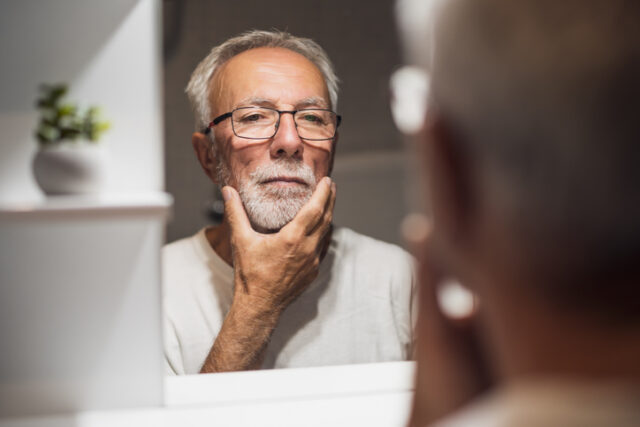
Some people are more prone to dry eyes than others. The NHS says you’re more likely to get them if you’re over 50, if you wear contact lenses, or if you smoke, spend time in smoky places or drink alcohol. Certain medicines can also play a part, including some antidepressants and blood pressure medicines.
Dry eyes can also be linked to other conditions, such as blepharitis, which causes swollen and sore eyelids, and less commonly Sjögren’s syndrome or lupus. If you think a medicine might be causing your dry eyes, the NHS says not to stop taking it without speaking to your GP or pharmacist first.
Clean your eyelids every day.
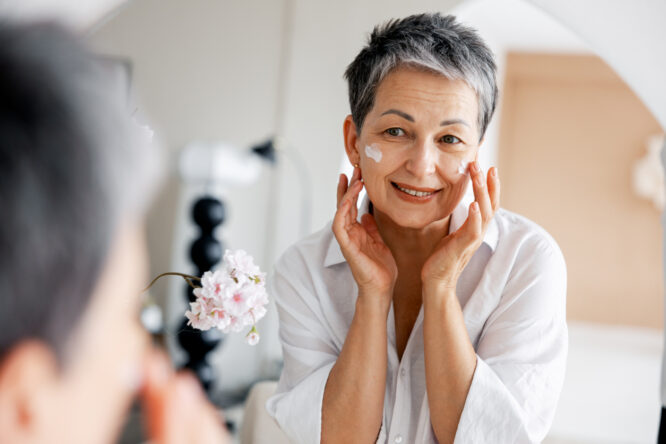
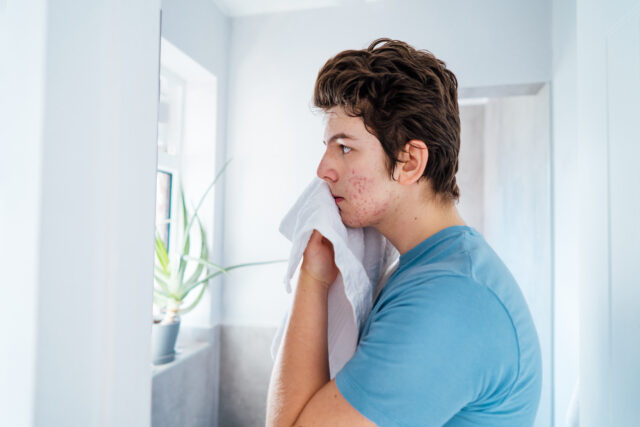
One of the main things the NHS recommends is cleaning your eyelids daily, which can help keep the tiny glands along the edge of your eyelids working properly. Start by soaking a clean flannel in warm water, not hot, and gently pressing it over your closed eyes for a few minutes. The warmth helps loosen any oil or crusts that have built up.
Next, gently massage your eyelids with a clean finger or a cotton bud. Finally, use cotton wool soaked in warm water to wipe away any excess oil, crusts, dust or grime from along your lash line. It only takes a few minutes, and many people find it works best as part of their morning or evening routine.
Look after your eyes at the screen.

If you work at a computer or spend your evenings on a laptop or tablet, small changes can make a big difference. The NHS advises taking regular breaks to rest your eyes when you’re watching TV or using a screen, so try looking away into the distance every so often and remember to blink.
It also helps to set up your screen so it sits just below eye level, which the NHS recommends. When you look slightly down at a screen, your eyelids cover more of your eyes, so your tears don’t dry out as quickly as when you’re staring straight ahead or upwards.
Keep the air in your home from getting too dry.
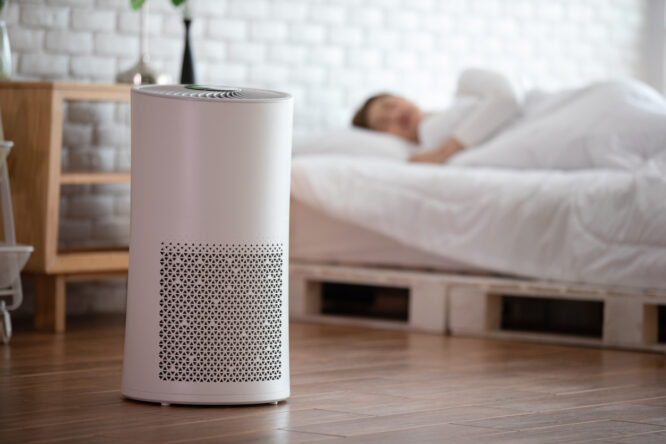
Central heating dries out the air, which can leave your eyes feeling tight and scratchy by the end of the day. The NHS suggests using a humidifier to stop the air getting too dry, and it also advises not spending too long in heated or air-conditioned rooms where you can avoid it.
You don’t have to turn the heating off, but try not to sit right next to a radiator or heater, or in the direct path of a fan or car heater vent blowing warm air at your face. Opening a window for a few minutes each day can help freshen the air, and putting a bowl of water near a radiator is a cheap way to add a little moisture to the room.
Give your eyes a rest from contact lenses.
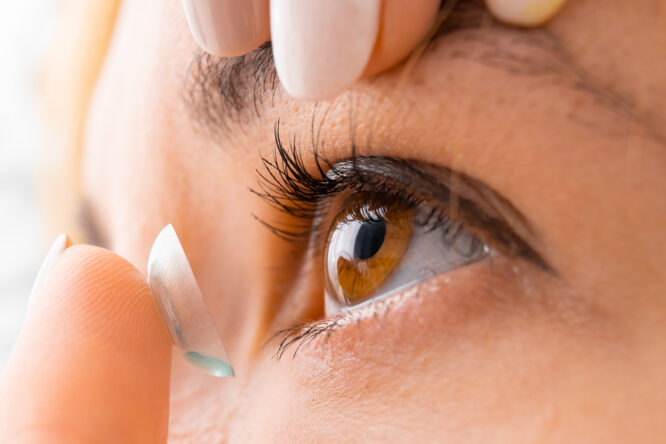
If you wear contact lenses, the NHS suggests taking them out and wearing your glasses for a while to rest your eyes. Contact lenses can make dry eyes worse, especially in heated rooms or when you’re looking at a screen for hours, so having a few lens-free evenings each week can help.
If you have a red eye and wear contact lenses, the NHS says to ask for an urgent GP appointment or call NHS 111 because it could be a sign of an eye infection. Take your lenses out straight away and don’t put them back in until you’ve had your eye checked.
How your pharmacist can help

You don’t always need to see a doctor about dry eyes. The NHS says a pharmacist can tell you what you can do yourself and whether there’s anything you can buy to help, such as eye drops, gels or ointments, or allergy medicines if allergies are part of the problem. They can also tell you if you need to see an optician or GP.
Eye drops for dry eyes work by adding moisture to the surface of the eye, while gels and ointments tend to last longer and are often used at night. Your pharmacist can explain the differences and help you choose one that suits you, without needing an appointment.
When to see an optician or GP
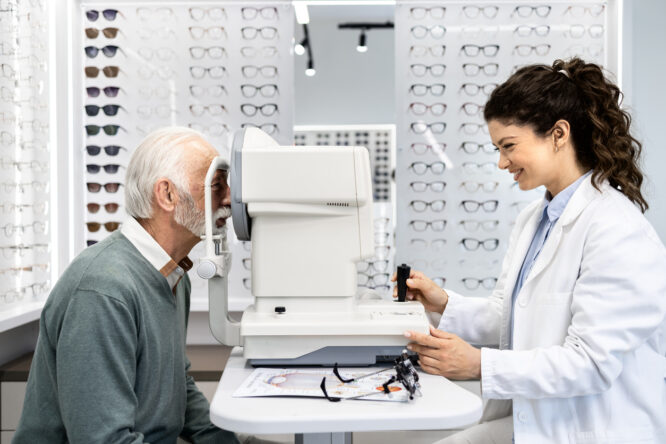
The NHS says you should see an optician or GP if you’ve tried home treatments for a few weeks and your eyes are still dry, or if there’s any change in the shape of your eyelids. They can check what might be causing the problem and recommend treatment, and if they can’t find a cause they may refer you to an eye specialist for tests.
A regular eye test is a good idea anyway, and many people can get one free on the NHS, including people aged 60 and over, children, and people with diabetes or glaucoma. Eye tests are free for everyone in Scotland.
Signs you need help urgently
Most dry eyes are mild, but some symptoms need checking straight away. The NHS says to ask for an urgent GP appointment or call 111 if your eye is painful and red. Call 999 or go to A&E if you notice any changes to your sight, such as wavy lines, flashing or loss of vision, if it hurts to look at light, if you have a red eye along with a severe headache and feel sick, or if your eye is very dark red.
You should also go to A&E if you’ve injured your eye or have something stuck in it. The NHS advises not to drive yourself there, and to take any medicines you’re on with you.
Start with a simple daily routine.

For most people, a few small habits are enough to keep dry eyes under control through winter. Clean your eyelids each morning, take regular breaks from screens, keep your screen just below eye level and try not to sit too close to the heating. If your eyes are still bothering you after a couple of weeks, pop into your local pharmacy for advice. With a little care, you can keep your eyes comfortable all the way through to spring.