Diabetes affects around 590 million adults around the world, but an even more common blood sugar problem gets far less attention.
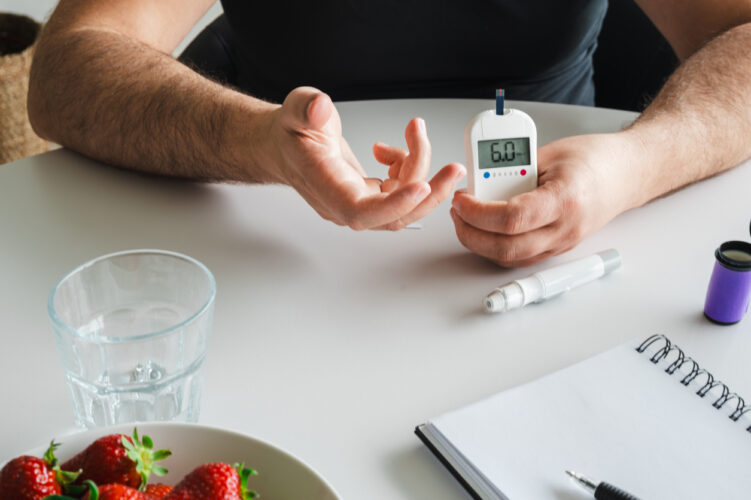
Prediabetes is thought to affect around 635 million people worldwide, and most of them have no idea. It happens when blood sugar levels are higher than they should be, but not yet high enough to be called diabetes. It rarely causes symptoms and can even impact people who are a healthy weight. The good news is that it can often be reversed with some simple changes. Here’s what causes it and how to bring your blood sugar back on track, as well as who might be most at risk.
Prediabetes is a precursor to a very serious health issue.

Having no symptoms doesn’t mean prediabetes is harmless. High blood sugar can start damaging blood vessels before it reaches the level of diabetes, which raises the risk of heart attacks and strokes.
One large study from the Endocrine Society found that people with prediabetes had a 25% higher chance of having a heart attack, even after taking other things such as blood pressure, cholesterol and weight into account. Prediabetes can also develop into type 2 diabetes if nothing changes, but this isn’t inevitable.
How blood sugar works

When we eat, our bodies turn carbohydrates such as bread, rice, and potatoes into a type of sugar called glucose, which gives us energy. A hormone called insulin, made by an organ called the pancreas, helps move that sugar out of the blood and into our cells.
Type 2 diabetes develops when the body doesn’t make enough insulin or stops responding to it properly, so sugar builds up in the blood. Prediabetes is the stage before this, when the body is starting to struggle but blood sugar hasn’t yet risen high enough for a diabetes diagnosis.
What causes it prediabetes?

There’s no single cause, as several things can raise your risk. Some you can’t change, such as your age, your genes and having a close family member with type 2 diabetes, and people from Black African, African Caribbean and South Asian backgrounds are also at higher risk.
Weight plays a big part, but it isn’t only about how much fat we carry. Some people store extra fat around and inside organs such as the liver and pancreas, even if they look slim, which can stop these organs controlling blood sugar properly, while diet, activity levels, poor sleep and stress may also play a part.
Are you at risk?
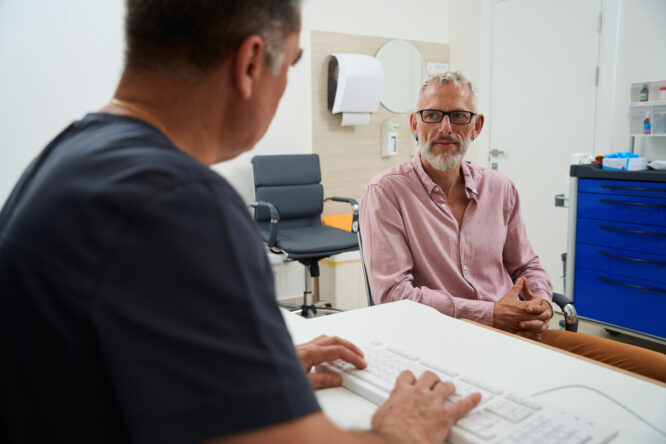
You may be at higher risk of prediabetes if you’re over 40, or over 25 if you’re of South Asian background, or if a parent, brother, sister, or child has type 2 diabetes. Being overweight, especially around your middle, having high blood pressure, or not being very active can also raise your risk.
Women who have had diabetes during pregnancy, or who have given birth to a large baby, are also more likely to develop it. Diabetes UK has a free online tool called Know Your Risk, which only takes a few minutes, and if you’re worried, ask your GP for a blood test, as this is the only way to know for sure.
Losing even a little weight can make a bigger difference than you’d think.

Losing weight is one of the most effective ways to reverse prediabetes, as it helps clear the hidden fat that causes problems. You don’t need to lose a huge amount, as dropping around 5% of your body weight can make a real difference.
Try eating slightly smaller portions, such as halving the amount of rice or pasta on your plate, and cutting down on snacking and alcohol. Another simple tip is to stick to one type of starchy food per meal, so skip the garlic bread with your pasta or the chips with your lasagne, while still enjoying the occasional treat.
Making simple food swaps can also help stabilise your blood sugar.

Fill half your plate with vegetables such as broccoli, carrots, onions and salad, and choose foods that are less processed and lower in added sugar. Wholegrain bread, brown rice and wholewheat pasta contain more fibre, which helps stop blood sugar rising too quickly after meals.
For protein, go for options such as chicken without the skin, fish, beans and lentils, and try to cut back on red and processed meats such as bacon, ham, and salami. Swapping sugary fizzy drinks for sugar-free versions or water is another easy change that can help.
Tackling fat around your middle should be a priority.

Interestingly, research has found that around one in five people with prediabetes managed to reverse it without losing weight, by moving fat away from their organs and into safer places just under the skin. A quick way to check is to measure your waist and your height, and if your waist is more than half your height, you may be carrying too much fat around your middle.
Swapping saturated fats, found in foods such as butter and fatty meat, for healthier fats found in olive oil, avocados, nuts and oily fish like salmon and mackerel may help. The amount you eat still matters most, though, so focus on portion sizes first.
Move more and work on building strength.

Any kind of movement helps, as working muscles take sugar straight from your blood to use for energy, and even a ten-minute walk after a meal can help stop blood sugar rising too high. Aim to build up gradually to around 150 minutes of moderate activity a week, such as brisk walking, cycling, swimming or dancing, starting with just ten minutes a day.
Strength exercises help too, as bigger muscles can store more sugar, and one study found that people who did at least 30 minutes a week had a much lower risk of type 2 diabetes. Simple moves at home, such as squats, lunges, push-ups against a wall and lying hip raises, done twice a week can help, and cutting your sitting time by just 30 to 60 minutes a day can also improve your health.
Keeping it up for good is the main thing.

Up to half of people with prediabetes who follow healthy eating and exercise programmes manage to bring their blood sugar back to normal. However, it can rise again if old habits return, so it helps to make changes you can stick with for the long term.
If you’re told you have prediabetes in England, you may be offered a free place on the NHS Diabetes Prevention Programme, which gives support with healthy eating and getting active. Your GP can tell you about similar help available where you live and arrange regular blood tests to check your progress.