That little overhead button on a plane looks like the easiest way to grab a fresh drink or an extra blanket without leaving your seat.
For the cabin crew, though, hearing that chime go off every five minutes is an entirely different story. It’s there to help, but attendants mainly see it as a tool for genuine issues when you can’t easily leave your row, not a personal room-service bell.
Knowing when it makes sense to hit the button and when you are better off stretching your legs keeps the crew on your side and saves everyone around you from listening to endless chimes. If you’re unsure about proper call-button etiquette, here’s what you need to know, along with a few unwritten cabin rules every British passenger should keep in mind for a peaceful flight.
What the call button is for

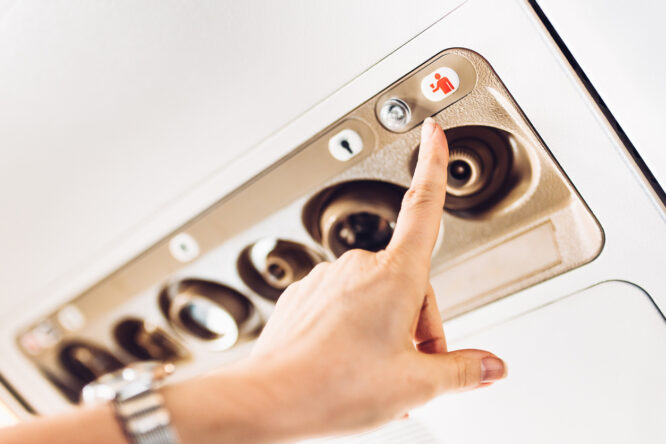
The call button, usually found above your seat near the reading light, sends an alert to the cabin crew. A light comes on above you and a chime sounds so they know where help is needed. Crew will often respond even when they’re seated during take-off, landing, or turbulence.
That’s because the button is mainly there for situations where you need help quickly or can’t safely leave your seat. Some crew don’t mind if passengers use it for simple requests. Others find it frustrating when it’s pressed for minor things, especially during busy parts of the flight.
When you should press it
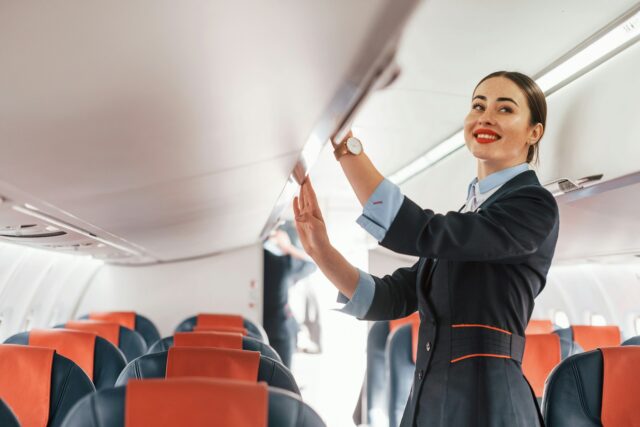
Press the call button if you or someone near you feels unwell, faint or in pain. It’s also the right choice if you notice something that might be a safety issue, such as a strange smell or a passenger behaving in a worrying way. Crew are trained to deal with these situations and would always rather know.
It’s also fine to use if you need help but can’t get up, for example when the seatbelt sign is on, if you have limited mobility or if you have a baby on your lap. Spilling a hot drink on yourself or needing help with a medical device are also good reasons. If you’re unsure whether it’s urgent, it’s better to ask than to struggle.
When it’s better to wait
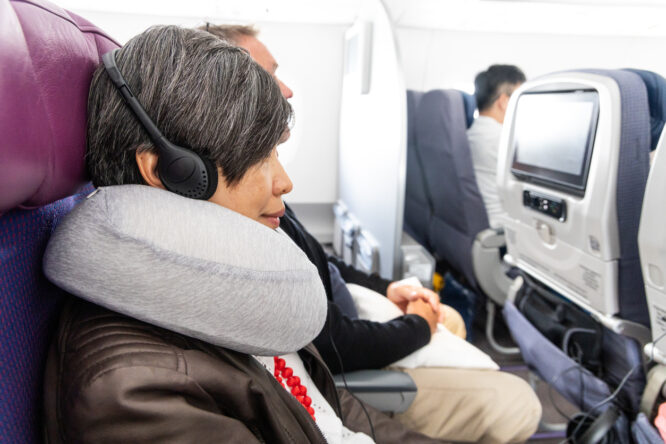
If you’d simply like a drink, a snack or a spare blanket, it’s often best to wait until the crew come past with the trolley. On longer flights, crew usually walk through the cabin regularly. You can also politely catch their eye as they pass.
If the seatbelt sign is off, and you’re able to move, you can walk to the galley, the small kitchen area, and ask for what you need. Try not to press the button during meal service or while crew are busy with safety checks unless it’s important. Sleeping through a meal and pressing the button hours later for food is generally seen as poor manners.
What happens if you press it by mistake

The call button often sits right next to the reading light switch, so it’s easy to press it accidentally. If you do, simply press it again to switch it off. If a crew member comes over, just explain it was a mistake. Keep an eye on young children, who may enjoy pressing buttons. Showing them which button turns on the light can help avoid repeated calls. Crew will understand the odd accident, but frequent false alarms can be distracting.
Getting help if you have extra needs

If you have a disability, a medical condition or reduced mobility, let the airline know before you fly. UK airports and airlines must offer free assistance to passengers who need it. You can usually request this when booking or through the airline’s website. When you board, mention any needs to the cabin crew so they know to look out for you. They can explain how they’ll help during the flight. That way, you’ll feel more confident pressing the call button whenever you need to.
Other cabin etiquette to keep in mind

Small acts of courtesy can make a big difference on a crowded flight. Recline your seat gently, and consider putting it upright during meals. Share armrests fairly, with the middle seat often given both. Use headphones for music, films and games, and keep your voice down if others are sleeping. Be patient during boarding and getting off the plane, and only open the overhead lockers when you need to. A friendly please and thank you to the crew always goes a long way.
Follow crew instructions.
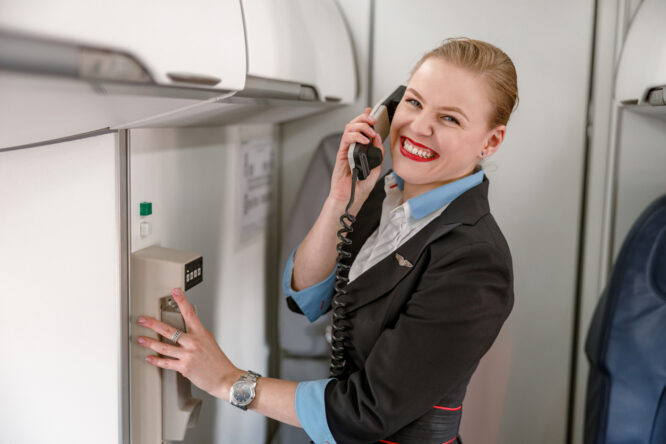
Cabin crew are there mainly for your safety, not just to serve food and drinks. Always follow their instructions, especially about seatbelts, luggage and electronic devices. They may need to act quickly in an emergency, so listening carefully helps keep everyone safe.
Disruptive or abusive behaviour on a plane is taken very seriously in the UK. Passengers can be fined, banned from flying with an airline or even prosecuted. Drinking sensibly and treating crew and fellow passengers with respect helps make every flight more pleasant.