Reaching for a lunchtime sandwich is about as routine as it gets in Britain, whether you’re grabbing a meal deal between meetings or packing a lunchbox before heading out the door.
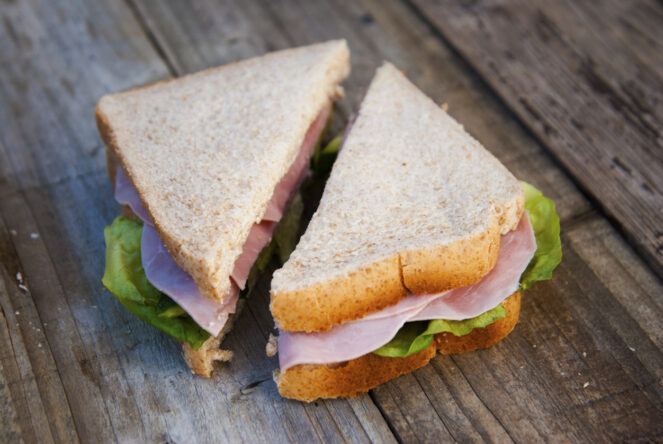
It feels like the ultimate fuss-free midday meal, something familiar and straightforward that keeps you going until dinner. Yet behind the everyday convenience of the supermarket chilled aisle sits growing scientific worry about what certain staples are doing beneath the surface.
According to a major study tracking dietary habits across hundreds of thousands of people, making one particular processed meat filler a daily habit could significantly push up your chances of developing cognitive decline in later life. While processed foods have faced plenty of scrutiny for heart health and expanding waistlines, these latest findings suggest that even a couple of modest slices tucked into everyday bread might be taking a much steeper toll on long-term brain health than most people realise.
The new research built on previous studies.

According to findings published in the Annual Review of Nutrition, each additional 25 grams of processed meat eaten daily was linked to a 44 to 52% higher risk of developing dementia, specifically Alzheimer’s disease. That’s a striking figure for something as everyday as a couple of slices of cured meat in a sandwich.
The same research also found that drinks containing added sugar or artificial sweeteners were linked to a higher risk of both dementia and stroke. The study drew on UK health data covering almost 500,000 people, alongside decades of research examining ultra-processed food and how the brain ages.
The findings are being framed cautiously.

To be clear, this research doesn’t prove that processed meat directly causes memory loss. What it does show is a growing body of evidence suggesting heavily processed foods may damage the brain gradually over a long period, likely through a combination of inflammation, harm to blood vessels and disruption to the chemical signals brain cells rely on to communicate with each other.
The science behind these links remains poorly understood overall, and considerably more research is needed before anything resembling a firm conclusion can be drawn. Untangling the specific effect of processed meat itself from the broader effect of diets high in fat, salt and sugar is also difficult, since the two so often overlap.
There’s a reason ultra-processed food has become such a concern.

Ultra-processed foods have already been linked to a wide range of negative health effects in previous research. A 2024 World Health Organization report found that these foods, alongside alcohol, tobacco and fossil fuels, contributed to roughly 2.7 million deaths across Europe every year, putting the scale of the issue into stark perspective.
There’s no single, universal definition of what counts as ultra-processed, but these foods are generally understood as containing ingredients you would not typically find in an ordinary kitchen cupboard, things like specific additives, colourings, or sweeteners. They also tend to be high in fat, salt and sugar, while offering comparatively little nutritional value.
How does food get classified by how processed it is?

A widely used classification system sorts food into four groups based on how processed it is, ranging from whole, natural foods through to heavily processed products. It should be noted that this classification does not automatically indicate how healthy or unhealthy a food is, only how processed it happens to be, though research has repeatedly linked the most processed category to a range of health conditions.
The least processed group includes fresh or frozen fruit and vegetables, grains, legumes, meat, fish, eggs and plain dairy, alongside nuts, seeds, herbs and simple drinks like tea, coffee and water. A second group covers processed cooking ingredients like salted butter, sugar, honey, vegetable oils and vinegar. A third group includes canned vegetables and fruit, salted or cured meats, canned fish, and artisanal bread and cheese.
What actually counts as ultra-processed food?

The most processed category includes fizzy drinks, sweetened yoghurt, packaged snacks like biscuits, sweets, cake mixes, and mass-produced bread and buns. It also covers margarine, breakfast cereals, cereal and energy bars, energy drinks, instant soups and noodles, processed poultry or fish products like nuggets and hot dogs, and many ready-to-heat meals such as pre-made pies, pasta dishes and pizzas.
According to the British Heart Foundation, more than half of the calories the average person in the UK eats and drinks now come from foods in this category, which gives a sense of just how deeply embedded these products have become in everyday diets across the country.
Brain scans revealed something interesting about diet and brain structure.

As part of the wider research, brain scans showed that higher intake of fat, sugary drinks, meat and processed meat was linked to smaller overall brain volume. Certain types of fat and sugary drinks specifically were also tied to greater damage in the brain’s white matter, the tissue responsible for helping different regions of the brain communicate with one another effectively.
Separate animal studies also fed into the wider research, finding that mice fed high-fat diets containing added sugar or salt built up higher levels of toxic proteins associated with Alzheimer’s disease within the brain’s memory centre. While this doesn’t directly translate to humans, it adds another layer of biological plausibility to the overall pattern being observed.
So, what does all of this mean for your future diet?

Confidence in this evidence varies considerably, and no trials currently exist proving a direct cause and effect relationship between processed food and cognitive decline. Even so, diets heavy in ultra-processed food consistently appear alongside worse outcomes for memory, mood, and overall brain structure across the research reviewed.
Based on that pattern, following a diet which actively discourages ultra-processed food looks promising for supporting better brain health later in life. It’s not a guarantee, but it adds fresh weight to the argument that what we eat regularly may matter for the brain in ways still only beginning to be properly understood.
Given how deeply processed food has worked its way into everyday eating habits, it’s a good idea to look at how often processed meat, sugary drinks and heavily packaged snacks feature in your own weekly shop, since this research suggests small, regular swaps toward less processed alternatives could support brain health over the long term.