Whether you’ve worn glasses or contact lenses for years, or you’ve only just started noticing the print getting a bit blurry, keeping on top of vision care can take a bite out of your wallet.
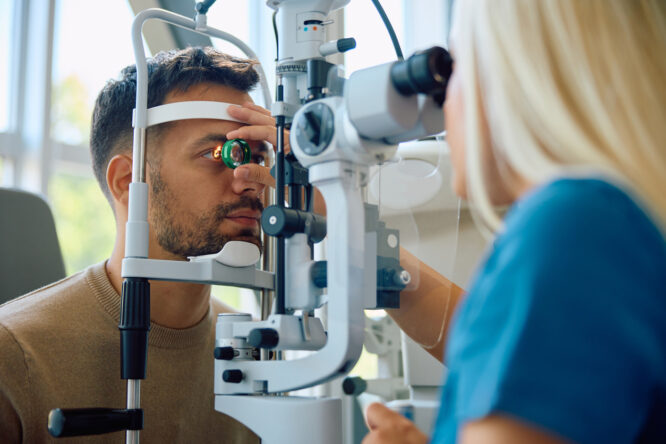
Between booking routine appointments, shelling out for new frames, picking up monthly batches of lenses, and stocking up on solutions, what starts as basic everyday maintenance quickly turns into a substantial ongoing expense. For plenty of households, seeing clearly ends up feeling like an expensive luxury rather than essential healthcare.
Thankfully, seeing properly doesn’t have to mean handing over a small fortune at the till. With a bit of savvy planning, there are several straightforward ways to keep those expenses firmly in check without skimping on quality or putting your sight on the line. From knowing your rights when taking a prescription online to tapping into NHS optical vouchers and workplace perks, making a few smart changes can slash your yearly spend while keeping your eyes in top condition.
Check whether you qualify for a free eye test.
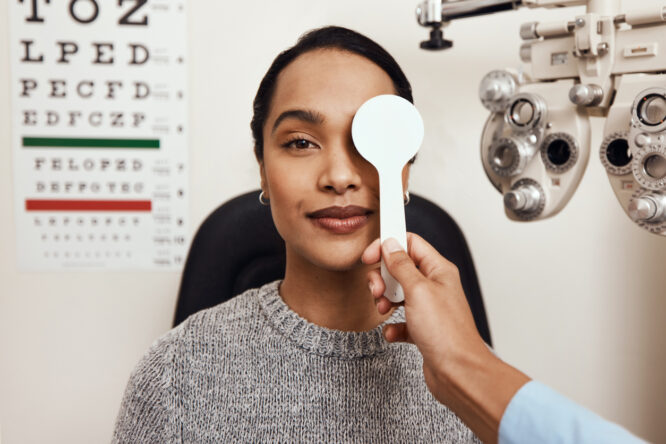
Opticians generally recommend getting your eyes tested every two years, yet plenty of people don’t realise they might already be entitled to have this done for free through the NHS. You qualify for a free NHS funded eye test if you’re aged 60 or older, registered as partially sighted or blind, or if you’ve been diagnosed with diabetes or glaucoma, told you’re at risk of glaucoma, or you’re over 40 with a close family member diagnosed with the condition.
You may also qualify if you receive certain benefits, including income support, income-based Employment and Support Allowance, income-based Jobseeker’s Allowance, the guarantee credit element of Pension Credit, or Universal Credit if you meet specific criteria. Being named on an NHS tax credit exemption certificate with an income of £15,276 or less, or holding an NHS certificate for full help with health costs, also qualifies you.
You don’t need to visit an NHS clinic specifically either, since most high street opticians, including major chains, offer this same free NHS funded test. If you’ve already paid for a test and later realise you were eligible for it free, you can claim a refund using an HC5(O) form along with your receipt. Anyone who can’t leave home unaccompanied due to illness or disability can also arrange a free mobile sight test instead, with an optician visiting directly.
It pays to shop around for glasses.

If your eye test reveals you need new glasses, it’s important to remember that you’re under no obligation to buy them from the same optician who tested your eyes. You’re free to take your prescription anywhere you like, and comparing a few different opticians can often reveal some substantial savings.
Some retailers offer specific discounts too, such as a percentage off glasses over a certain price for customers aged 60 and over, though you should still check whether a cheaper pair might be available elsewhere even with that discount applied. Buying from a dedicated optician tends to come with better build quality along with extras like free repairs and maintenance, benefits you’re unlikely to get from a cheaper online retailer or non-specialist shop. That said, plenty of people still prefer buying in person specifically so they can try frames on properly before committing.
Make the most of NHS optical vouchers.
The NHS offers optical vouchers that can be put toward the cost of glasses or contact lenses, with ten different voucher values ranging from £42.40 up to £233.56 depending on how strong your prescription is. If the actual cost of your glasses or lenses exceeds the voucher’s value, you’ll need to cover the difference yourself, and you generally won’t qualify for a voucher at all if your current glasses are still in good condition and your prescription hasn’t changed.
Eligibility follows broadly the same criteria as the free eye test, covering people receiving certain benefits or named on specific NHS exemption certificates. If your prescription involves particularly strong lenses, specifically -10 or +10 dioptres or stronger, or prism controlled bifocal lenses, you can claim a complex lens voucher regardless of whether you meet the other eligibility criteria, worth £15.81 for single vision lenses or £40.57 for bifocals.
If you’ve already paid for glasses or lenses and think you may have qualified for a voucher at the time, the same HC5(O) refund form can be used to claim back the equivalent amount, provided you still have your receipt and prescription details.
Buy contact lenses smartly.
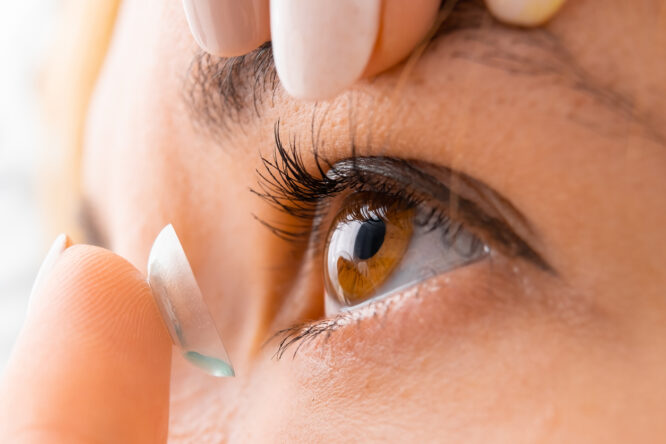
If you already know which contact lenses work well for you, buying in bulk online generally works out considerably cheaper than purchasing smaller quantities more frequently. It’s a simple way to save without changing anything about your actual eye care routine.
For anyone new to contact lenses, or unsure which type actually suits them, several major opticians offer free trials to help you find the right fit before committing to a purchase, while some eye care brands also sell inexpensive trial packs directly. Testing a few different options before settling on a long-term supply helps avoid wasting money on lenses that end up feeling uncomfortable or simply don’t suit your eyes.
Simple everyday habits can protect your eyesight.

Beyond the financial side of things, everyday habits play a real role in keeping your eyes healthy too. Limiting screen time helps considerably, and if screens are unavoidable for work, the 20/20/20 method offers a simple way to reduce strain, every 20 minutes, look at something roughly 20 feet away for 20 seconds, giving your eyes a proper break throughout the day.
Resist the urge to rub your eyes, since repeated rubbing can actually scratch or thin the cornea over time, alongside transferring germs and irritants from your hands directly onto your eyes. If your eyes frequently feel dry or itchy, eye drops offer a much safer alternative to reaching for them with your hands.
Diet and sun protection support long-term eye health.
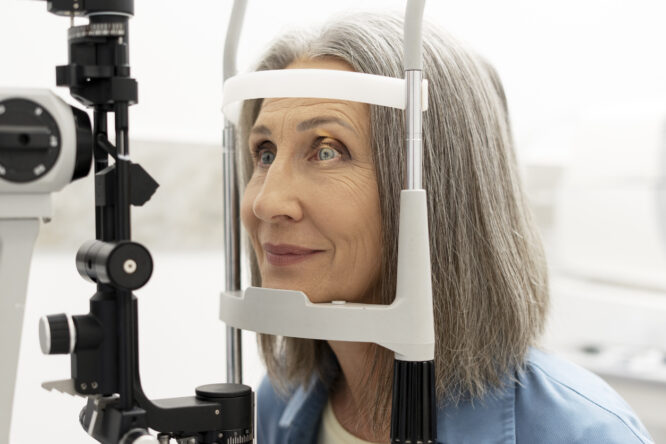
A balanced diet plays a bigger role in eye health than most people realise. Foods rich in vitamin A, like carrots, milk and eggs, along with lutein found in broccoli, corn and kale, help support the proteins your eyes rely on to function properly.
Vitamin C, found in foods like cabbage and citrus fruit, has been linked to a reduced risk of cataracts, while both vitamin C and E, the latter found in nuts, seeds and avocados, may help slow macular degeneration, a condition that can lead to significant sight loss over time. Wearing sunglasses on bright days is another simple habit to build in if you haven’t already, since even an inexpensive pair helps protect your eyes from harmful UV rays, along with dust and other everyday irritants.
Eye care isn’t really an expense to cut corners on entirely, but staying on top of regular check-ups, comparing prices before buying glasses or lenses, and making full use of any discounts, vouchers, or NHS support you’re entitled to can keep costs manageable without putting your eye health at risk in the process.