The state pension went up again this month, and with it came a renewed round of confusion over why there are two different versions still running side by side in the UK.

For anyone trying to plan their retirement or help an older relative make sense of their post, the whole setup feels unnecessarily complicated. The new state pension now sits at £241.30 a week, while the older basic state pension comes in noticeably lower at £184.90 a week, a gap of over £56 every seven days that leaves plenty of people wondering why the system hasn’t simply been unified for everyone.
At first glance, it looks like a straightforward case of pensioners who retired before April 2016 being shortchanged. But while that headline gap makes for furious debates around dinner tables, the reality comes down to a tangled web of historic top-ups, contracting-out rules, and additional state pensions like SERPS that older retirees often receive on top of that base rate. To see whether older retirees are missing out or if the numbers are more balanced than they look, it helps to understand why the government split the system in the first place and how your retirement date changes what you take home.
Who qualifies for the older state pension?

The older, basic state pension applies to anyone who reached state pension age before 6 April 2016. To receive the full amount under this system, you generally need at least 30 years of national insurance contributions behind you.
There’s an added wrinkle for some people too, since women born before 6 April 1950 and men born before 6 April 1945 may need a different number of qualifying years altogether. Given how varied individual circumstances can be under this older system, it’s a good idea to get specialist advice if you fall into this category and aren’t entirely sure where you stand.
Who qualifies for the newer state pension instead?

Anyone who reached state pension age after 6 April 2016 falls under the newer system instead, which works quite differently from its predecessor. Under this version, you’re eligible to claim something as long as you’ve made at least 10 years of national insurance contributions, though the exact amount you receive still depends heavily on the length and consistency of your full national insurance record.
This lower minimum threshold makes the newer system more accessible for people with shorter or more broken work histories, though it also means the total amount received can vary considerably more from person to person compared with the older, more standardised system.
Why the original system was changed

Before 2016, pensioners were part of what was often described as a two-tier system. People could receive the full basic state pension after 30 years of contributions, but depending on their specific contribution history, some were also entitled to an additional top-up payment on top of that base amount.
That layered structure made it difficult for people to know exactly how much they’d receive until they were close to retirement age themselves. The newer system, first announced back in 2014, was specifically designed to simplify things into a single tier, calculated purely based on national insurance contributions and how long someone had been paying them, making the whole process considerably easier for people to understand well ahead of retirement.
Why some people are still stuck on the older system

Anyone who had already qualified for the old state pension by the time these reforms were introduced simply continued receiving it under the original rules, since backdating the changes to apply retroactively wasn’t considered practically possible at the time.
That decision is exactly why the two systems have continued running in parallel for so long, rather than the older version being phased out immediately once the newer one launched. It’s created an ongoing gap between what pensioners under each system actually receive, even years after the reforms first came into effect.
Whether the old state pension will eventually disappear altogether
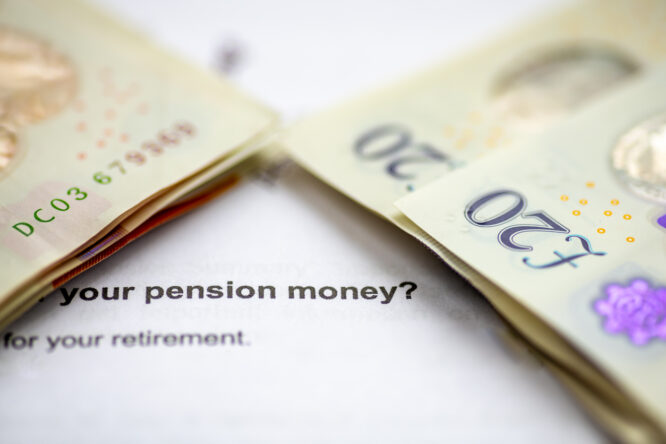
Over time, the older state pension system is expected to naturally phase itself out, simply because fewer and fewer people will remain eligible for it as the years go on. Even so, there’s been ongoing pressure from campaigners calling for the older system to be properly replaced sooner, rather than waiting for it to disappear on its own.
Several petitions have been raised through Parliament calling for exactly this kind of change, arguing that pensioners under the older system shouldn’t have to wait out a gradual, decades-long phase-out while receiving noticeably less each week than those under the newer scheme.
How the government has responded to calls for change
In response to one such petition, the previous government confirmed it had no plans to move all pensioners born before 6 April 1951 onto the newer state pension system. It argued that simply comparing the two headline weekly figures side by side was misleading, since it doesn’t fully reflect how each system actually works in practice for the people receiving it.
Despite the systems working quite differently on paper, both are ultimately built around the same underlying principle, reflecting the national insurance contributions someone has made throughout their working life, even if the exact calculations and outcomes differ noticeably between the two.