Most of us picture getting older as a smooth, predictable conveyor belt that ticks along day after day.

You expect a few grey hairs to turn up in your late twenties, maybe a stiff knee in your forties, and a steady, slow decline that affects your whole body at the exact same pace. It’s an easy way to think about how we wear out, but scientific findings reveal that nature doesn’t work that way at all.
Instead, your body operates more like a chaotic patchwork of independent clocks, each running to its own erratic timetable. Groundbreaking research tracking biological changes across thousands of people shows that our vital organs don’t march forward together in neat formation. One system might speed through intense, sudden bursts of biological ageing within a matter of months, while other organs barely alter their pace for decades.
Understanding why parts of your anatomy can suddenly jump forward in years completely changes how we look at staying healthy, and it offers a fascinating glimpse into why two people of the exact same age can feel, look, and function so completely differently.
Different organs seem to run on totally different clocks.

Scientists mapped structural changes across dozens of human tissues and found that different parts of the body follow surprisingly varied ageing schedules. Some organs start changing rapidly in someone’s thirties. Others barely shift at all until around the time of menopause. And a few appear to go through two entirely separate periods of accelerated ageing.
In other words, there might not be a single, unified ageing process happening throughout the whole body at once. Instead, different organs and systems seem to run on their own individual timelines, some of which appear to influence each other along the way.
How researchers were able to study this
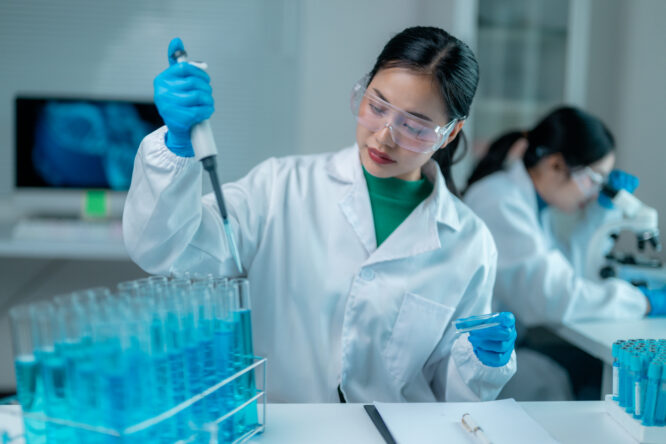
To work this out, a team led by a computational biologist built a specialised system to analyse the microscopic structure of tissue in ordinary pathology images, rather than trying to guess someone’s age from the tissue directly. Instead, the system focused purely on the physical structure of the tissue itself and how it changed over time.
The team applied this analysis to more than 25,000 tissue samples taken after death from nearly 1,000 donors aged between 21 and 70, covering 40 different tissue types. According to the lead researcher, this particular dataset is widely used by researchers, but almost always for its molecular data. The huge volume of imaging data attached to it had barely been explored until now.
Arteries appear to age unusually early.
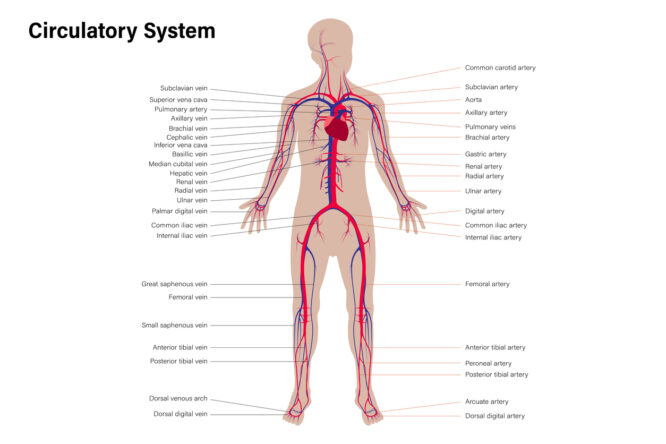
Arteries turned out to be among the earliest agers in the body, with their fastest period of structural change occurring during someone’s thirties. This lined up neatly with existing pathology records showing that early plaque build-up in arteries also increases most sharply during that same decade, before slowing down later in life.
People whose arteries showed faster structural ageing were also more likely to have atherosclerosis, the hardening and narrowing of arteries caused by plaque build-up. So while your thirties might not feel like “old age” in any traditional sense, it seems your arteries don’t necessarily agree.
The reproductive system tells a completely different story.

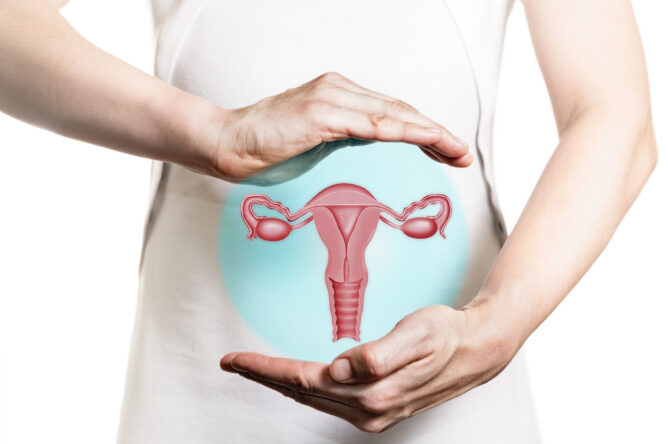
In female bodies, the uterus and vagina stayed relatively stable throughout early adulthood, before showing their biggest structural changes during the early to mid-fifties, roughly lining up with the transition into menopause. These changes included tissue thinning and shrinkage consistent with declining oestrogen levels.
The ovaries followed an even more unusual pattern. Rather than changing gradually, ovarian tissue showed one clear burst of structural ageing between roughly ages 35 and 40, followed by a second burst between 55 and 60, corresponding to the postmenopausal period. Interestingly, this same two-burst pattern didn’t show up when researchers looked at gene activity or DNA markers in the same tissue, only in its physical structure.
Plenty of other organs follow a similar two-burst pattern.
The ovaries weren’t alone in showing this pattern. Of the other organs researchers were able to study with confidence, the majority showed what they described as a “biphasic” ageing pattern, with two distinct bursts of structural change generally occurring during someone’s thirties and fifties.
Surprisingly, this included organs with no obvious connection to reproduction at all, including the food pipe, stomach, colon and small intestine. In male bodies, the prostate and testes followed a strikingly similar pattern too.
The ovaries might act as a kind of body-wide “pacemaker”.
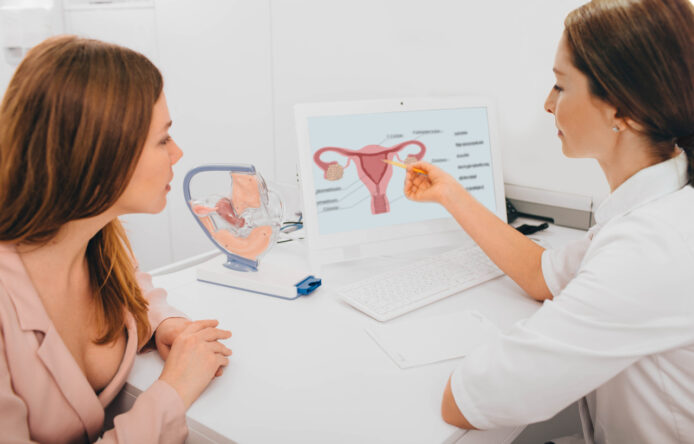
It appears these organs may be ageing in sync with one another, and not just neighbouring organs either. People who showed accelerated structural ageing in their colon and food pipe also tended to show the same pattern in the prostate, suggesting a much wider connection across the body than researchers initially expected.
According to the lead researcher, more than half of the tissues studied appeared to follow the same ageing pattern as the ovaries specifically, leading the team to describe the ovaries as something close to a pacemaker for ageing across the entire body.
Hormones may be the hidden link behind it all.

Hormones are a strong candidate for explaining this connection, since they circulate throughout the entire body as signalling molecules, rather than staying confined purely to reproductive organs. According to the researchers, the steepest drops in hormone signalling capacity occurred specifically in gut related tissues, which fits with what’s already known about oestrogen receptors being widespread throughout the digestive lining, where they help maintain the gut’s protective barrier.
That would help explain why the gut appears to age at a similar pace to organs like the uterus or prostate, despite having no obvious direct connection to reproduction on the surface.
What actually happens inside organs during these ageing bursts?

Across all these different organs, accelerated structural ageing tended to share a common pattern underneath it. Researchers consistently found increased inflammation, alongside a decline in energy production, cell growth, and the body’s internal quality control systems that normally help repair and maintain healthy cells.
The team believes understanding these individual organ timelines could eventually reshape how scientists approach anti-ageing treatments. Rather than treating ageing as one single, uniform process affecting the whole body equally, it may make more sense to target specific organs during the exact windows when they’re most vulnerable to accelerated change.
What this could mean for future anti-ageing treatments

According to the lead researcher, developing therapies specifically aimed at protecting reproductive ageing could potentially help protect several other organs at the same time, given how closely their ageing patterns appear to be linked, potentially boosting overall long-term health in the process.
There are a few important caveats worth keeping in mind, though. These samples were all taken after death, and the cause of death itself could have influenced how aged certain tissues appeared, particularly in younger donors. The researchers also stress that not every structural change necessarily signals decline, since some changes might simply reflect the body adapting naturally, rather than truly ageing or weakening.
The study also used fairly broad age ranges, meaning it can’t pinpoint exactly when an individual person’s tissue changes actually begin. Even with these limitations though, the research strongly suggests our bodies likely aren’t running on one single biological clock. Instead, we may have dozens of separate internal clocks quietly ticking away, and they’re clearly not all keeping the same time.