Staying hydrated is more important than most of us give it credit for.
It keeps your brain, digestive system, heart, and immune system all working the way they should, while also giving you energy and even supporting your mental health. The trouble is, actually getting enough fluid in each day isn’t always easy. With so many tastier options on offer, plain water can feel a bit dull, and some people simply can’t get on with the taste at all. To help you hit that recommended six to eight glasses of fluid a day, here are some healthy and hydrating alternatives to consider.
Cow’s milk

Cow’s milk is an excellent option when it comes to hydration. Research has found that both full-fat and skimmed milk actually rank higher than water on the beverage hydration index, meaning your body holds onto more of that fluid for longer after drinking milk compared to plain water.
When you sweat, you lose both salt and water. If you only replace the water, your kidneys respond by producing more urine to rebalance salt and water levels, meaning a lot of that fluid ends up going straight back out. Milk, being a natural source of small amounts of sodium, helps replenish both water and salt at the same time, allowing your body to actually hold onto more of it.
Milk is also a decent source of potassium, protein, and carbohydrates, all of which support water retention. If you’re watching calories, skimmed or semi-skimmed is the better choice over full-fat. As with most things though, moderation matters, health experts generally recommend no more than three cups a day.
Soya milk
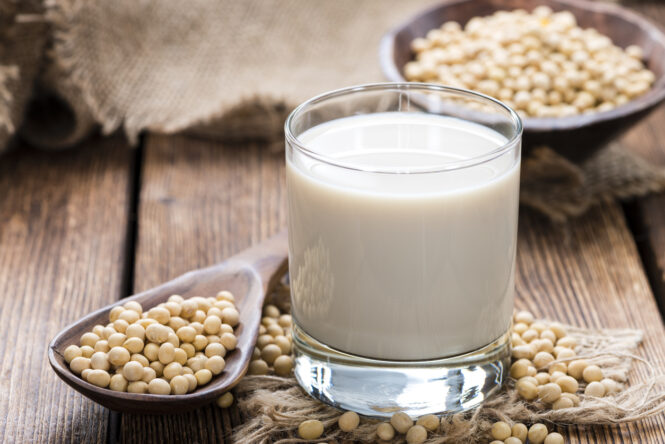
There are plenty of reasons someone might avoid cow’s milk, whether that’s lactose intolerance or following a plant-based diet. Fortunately, soya milk offers a hydrating alternative.
Like cow’s milk, soya milk has a high water and protein content, along with electrolytes like sodium, magnesium, and potassium, all of which help the body hold onto fluid. There isn’t a huge amount of research yet on exactly how effective soya and other plant milks are for hydration specifically, but one study found that alongside cow’s milk, soya milk actually outperformed sports drinks when it came to rehydrating after exercise.
Coconut water
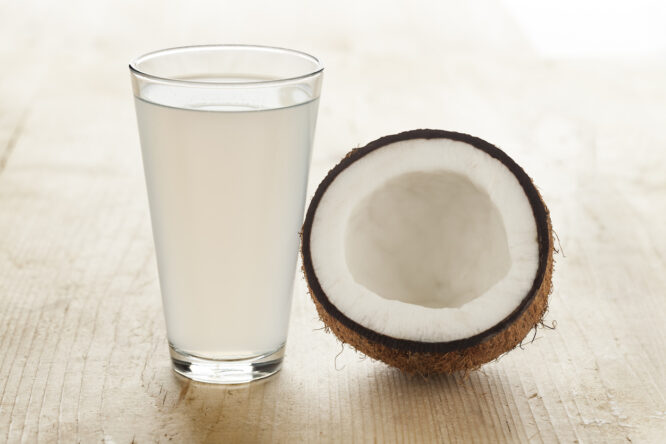
Coconut water has become much more popular in recent years, and it’s easy to see why, that refreshing, slightly nutty flavour is part of the appeal, but there are real health benefits behind it too.
It’s a decent source of antioxidants, which help fight off unstable molecules in the body known as free radicals. Coconut water is also thought to help lower blood sugar levels in people with diabetes, and it packs in a good range of vitamins and minerals. Thanks to its natural electrolyte content, sodium, potassium, and magnesium, experts generally consider coconut water more effective at rehydrating the body than plain water alone.
Unlike a lot of fruit juices, it’s also relatively low in calories. To make the most of its benefits, look for varieties with no added sugar.
Water infusions
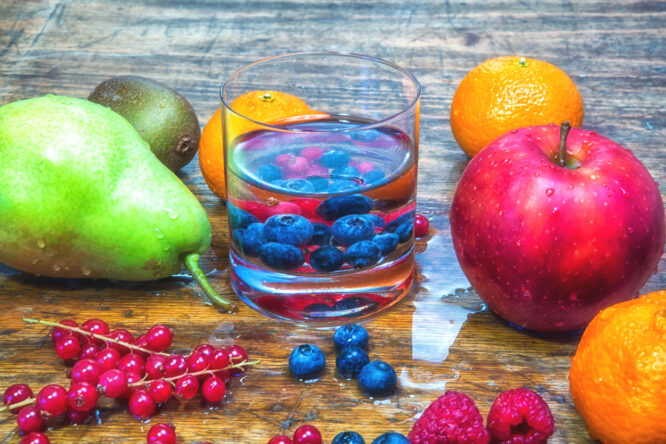
Infusing water with fruit, vegetables, and herbs is an easy way to make a drink that actually tastes good while still keeping you hydrated. Since it’s really just water and whatever fresh ingredients you add, the calorie count stays low too.
You can buy ready-made infused water, but you’ll want to check the label, as plenty of brands sneak in added sugar, which works against you if you’re drinking several glasses a day. Making it at home simple, though. Just pick your favourite fresh produce, add it to a jug or bottle of water, and leave it in the fridge to steep for three or four hours. From strawberry and basil to lemon and blueberry, the flavour combinations are pretty much endless, so it’s a fun one to experiment with.
Kombucha
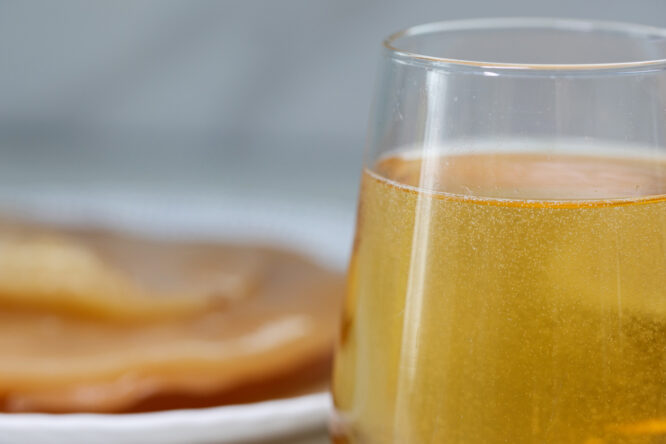
Kombucha, a fermented tea thought to have originated in ancient China, has been around for centuries but has surged in popularity recently. It’s made by combining black or green tea with sugar and a specific mix of bacteria and yeast, then left to ferment.
Beyond hydration, kombucha offers other health perks too, particularly for digestion, thanks to the healthy bacteria it contains. Some people enjoy making it at home as a cheaper alternative, though the fermentation process can be tricky, and doing it incorrectly does carry some risk, so if you’re unsure, ready-made versions are widely available in supermarkets and health food shops.
Drink it in moderation, though, as too much can lead to excess calorie intake, bloating, or digestive discomfort. As a rough guide, around 120ml a day is generally considered a safe amount.
Coffee
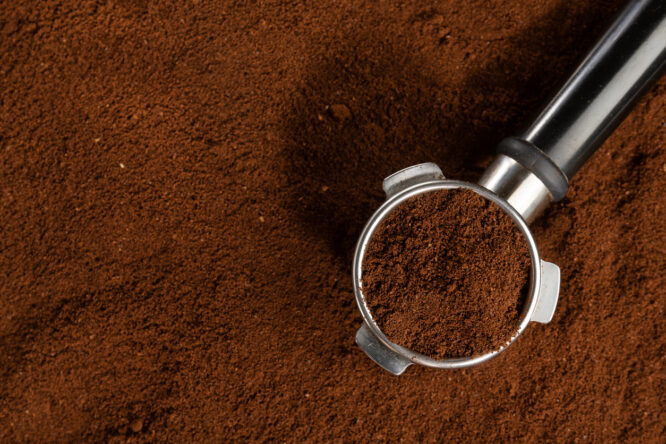
Coffee is a staple for a lot of us, and the good news is that drinking it in moderation can actually support hydration rather than undermine it, despite coffee’s reputation for being dehydrating.
That reputation largely comes from caffeine’s mild diuretic effect on the kidneys, which increases how often you need to urinate. However, evidence suggests this effect only becomes concerning once you’re consuming over 500 mg of caffeine a day, more than five espresso shots’ worth.
To protect heart health and avoid raising your risk of high blood pressure, it’s generally recommended to stick to no more than four or five cups of coffee a day.
Tea

Tea can support hydration too, though how effective it is depends on the type. Black and green tea both contain caffeine, so the same general guidance applies as with coffee, enjoy them in moderation, since drinking large amounts can have a mild diuretic effect and lead to more fluid loss through urination.
As a guide, a typical cup of black tea with milk contains around 47 mg of caffeine, while green tea comes in slightly lower at around 33 mg. Sticking to roughly four or five cups a day is generally considered sensible.
Herbal teas like peppermint, ginger, and chamomile, on the other hand, are naturally caffeine-free, making them a solid alternative to water. Each comes with its own added benefits too, ginger tea, for instance, has been linked to reduced pain and inflammation in people with osteoarthritis.
Fruit and vegetable juice
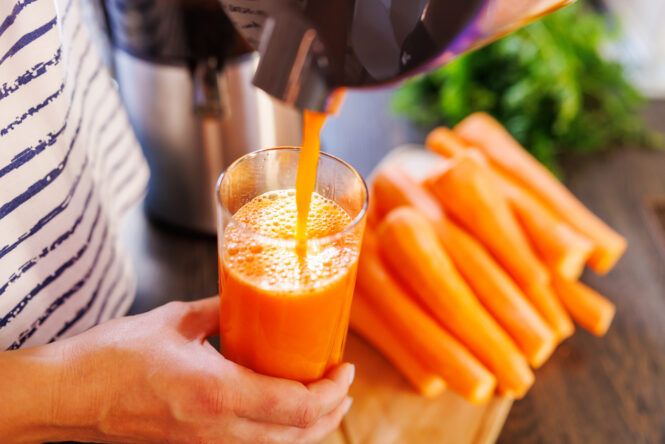
Plenty of us enjoy starting the day with a glass of orange juice, and it can give hydration levels a boost while also delivering a good dose of vitamins, minerals, and antioxidants. That said, fruit juice tends to be fairly high in sugar, so it’s generally recommended to cap intake at around 150ml, roughly one small glass, per day. Diluting it with still or sparkling water is a simple way to stretch it further without overdoing the sugar.
As a general rule, it’s important to be mindful of any drinks high in sugar, since higher sugar levels can actually cause the body to lose more water, leading to more frequent urination and, ironically, dehydration. Where possible, go for 100% juice with no added sugar, and watch out for “juice drinks,” which are often really just soft drinks dressed up to look healthier than they are.
Broth-based soups
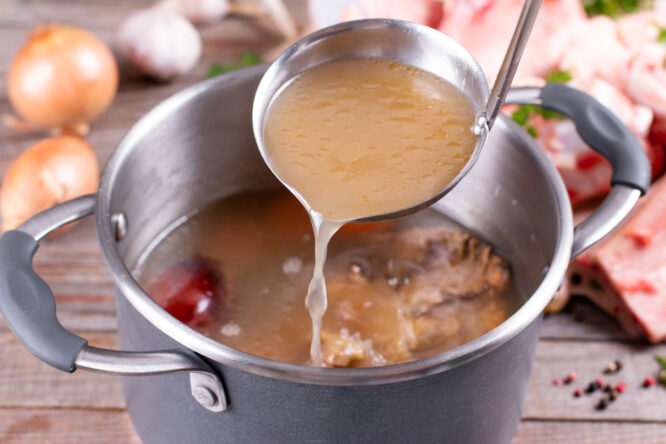
It might not technically count as a drink, but broth-based soup can contain up to 92% water depending on how chunky or creamy it is, making it an effective way to top up your daily fluid intake.
Broths are particularly hydrating thanks to their sodium content, one of the key electrolytes lost through sweat, which makes them especially useful for rehydrating after exercise. They’re often nutritious too, packed with protein and vegetables, meaning you get nourishment and hydration in one go. Popular options include wonton, chicken noodle, and French onion soup.
Keep an eye on overall salt intake though, since while sodium helps with rehydration, too much salt can contribute to high blood pressure. Current guidance suggests adults stick to no more than six grams of salt a day, roughly one teaspoon.
The bottom line on staying hydrated

When it comes to hydration, plain water is still your best option. It’s free, contains zero calories or sugar, and supports healthy teeth and a healthy weight without any downsides. That said, if you’re struggling to hit that recommended six to eight glasses a day, these nine alternatives make for solid substitutes, so long as you enjoy them in moderation.
Keep fizzy drinks, squash, and energy drinks to a minimum, since they tend to offer little nutritional value while being high in calories and additives. Alcoholic drinks are also best enjoyed sparingly, since alcohol acts as a diuretic and can actually leave you losing more fluid than you take in. Current guidance recommends no more than 14 units of alcohol per week.