If you think you can just chop down a tree in your garden whenever you fancy, think again.
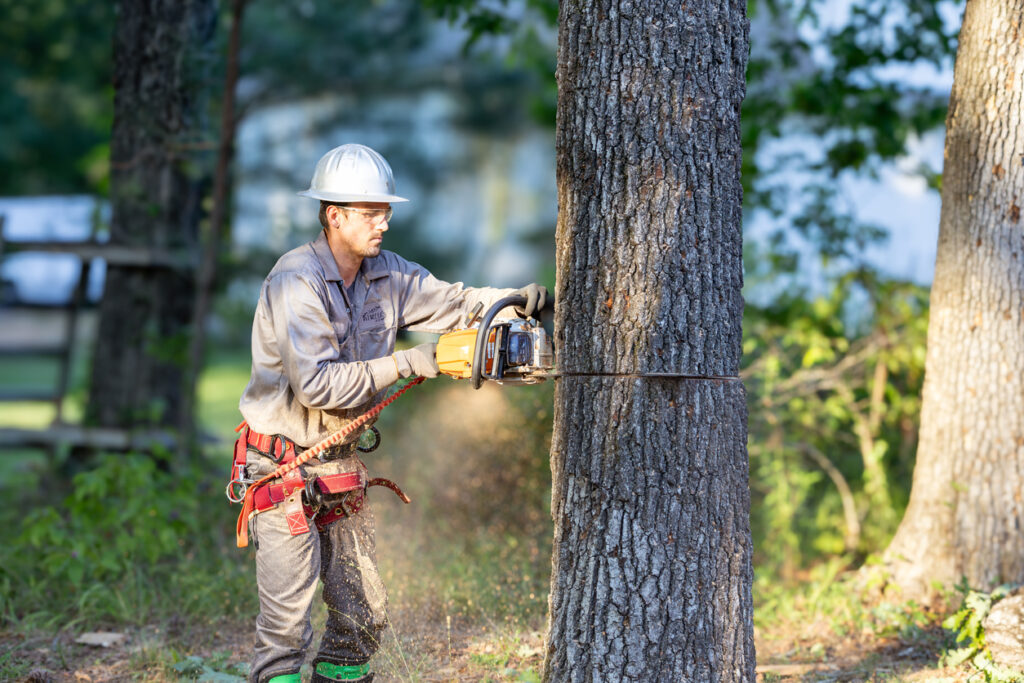
If you’ve got an overgrown garden or a tree blocking the sunlight from your patio, grabbing a chainsaw and getting stuck in might seem like standard weekend maintenance. Most homeowners assume that if a trunk is rooted on their private property, they’re well within their rights to prune it back or chop it down entirely without asking for permission.
In Britain, taking down the wrong tree can land you in serious legal trouble before the wood even hits the grass. Between strict Tree Preservation Orders, protected conservation areas, and specific native species that carry blanket legal safeguards, councils don’t mess around when it comes to unauthorised felling. Taking a blade to a protected tree can lead to massive, eye-watering fines that run well into five or six figures. If you’re planning any major garden work, here are 14 trees you’re not allowed to cut down in Britain, and the heavy financial penalties you’ll face if you ignore the rules.
1. Trees protected by Tree Preservation Orders (TPOs)
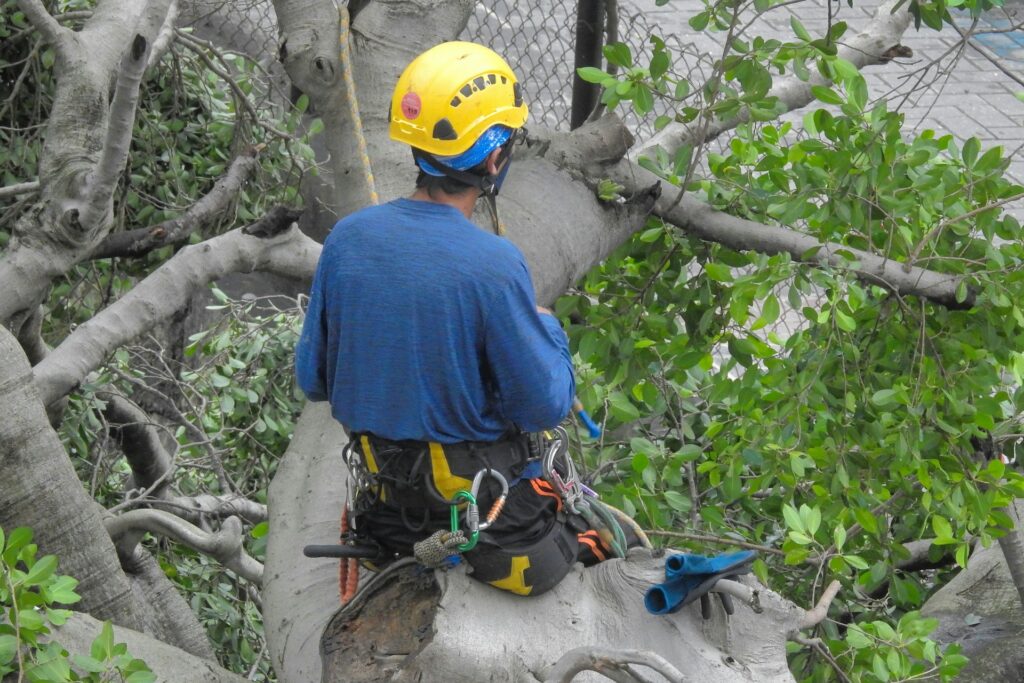
Local councils use Tree Preservation Orders to protect individual trees, groups of trees or whole woodlands that have public or historical importance. These orders prevent anyone from cutting, uprooting, topping or damaging them. If you touch a protected tree without permission, you can face an unlimited fine. Even “light trimming” counts as an offence unless approved in writing by your local authority.
2. Trees in conservation areas
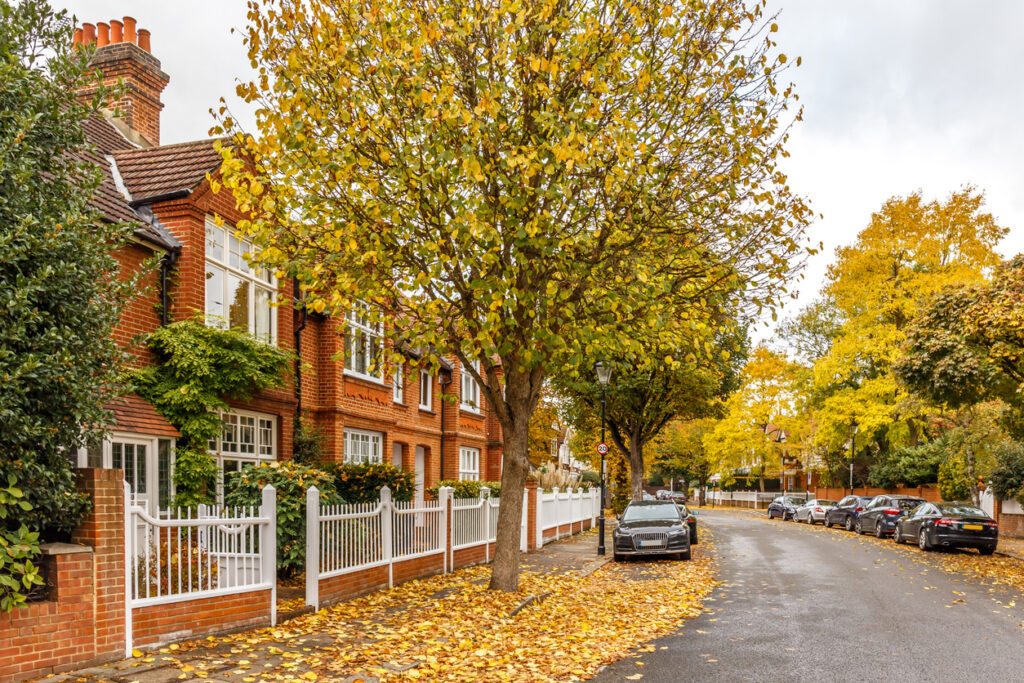
If your property sits in a conservation area, almost every mature tree within it is automatically protected. You must give your council at least six weeks’ notice before any work begins. Ignoring that rule can lead to prosecution. Councils use this waiting period to decide if the tree deserves a formal preservation order.
3. Ancient and veteran trees
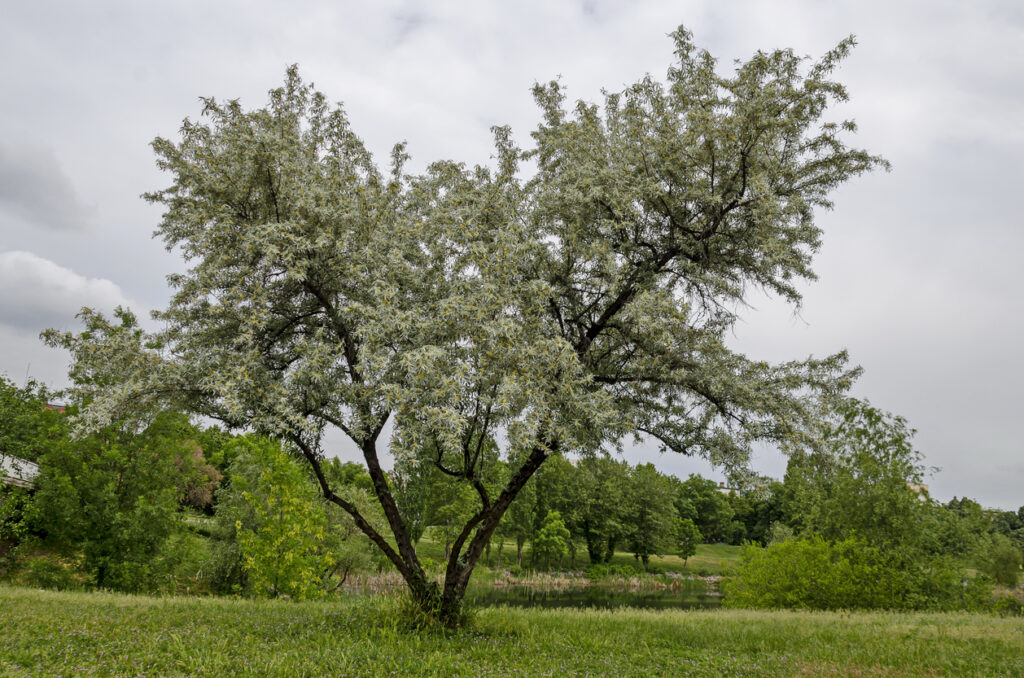
Britain’s oldest trees, such as oaks, beeches, and yews that have stood for hundreds of years, are often protected by heritage or environmental designations. They’re considered irreplaceable habitats. Damaging or removing one can trigger large fines, especially if it’s part of a listed site or registered park. In some cases, restoration costs and replanting orders are also enforced.
4. Trees on council-owned land
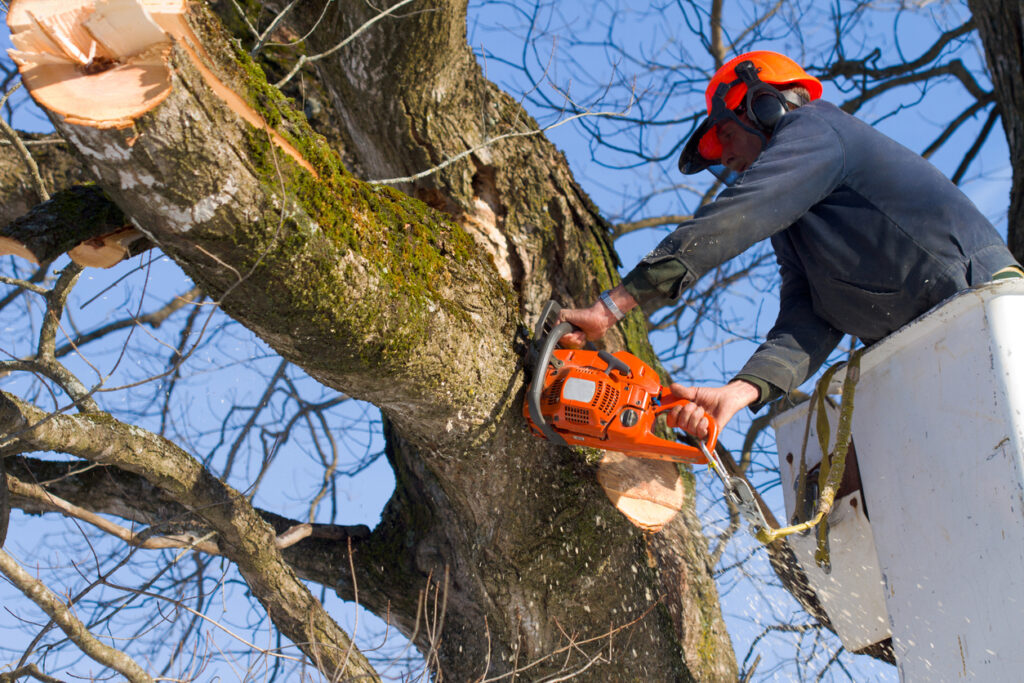
Public parks, roadsides, and community woodlands are managed by local authorities, and most of their trees are off-limits to the public. Cutting or pruning without permission is classed as vandalism. Penalties can range from on-the-spot fines to criminal charges. Councils treat damage to public greenery as destruction of public property.
5. Trees that are part of protected wildlife habitats
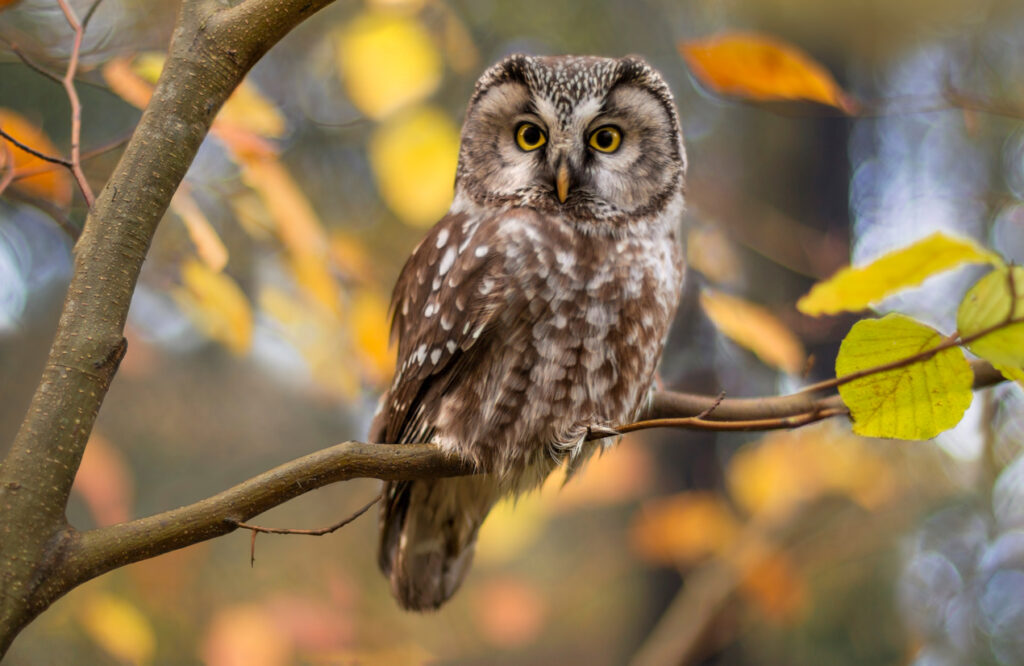
Many trees form part of legally protected ecological sites, such as Sites of Special Scientific Interest (SSSIs), Special Areas of Conservation (SACs), or nature reserves. Felling or damaging trees within these designated zones harms the wider ecosystem and breaches statutory environmental controls. Fines vary depending on the site’s legal status, but unauthorised felling or damaging operations in an SSSI can lead to unlimited fines in court. These strict protections ensure vital biodiversity, rare fungi, and crucial woodland habitats remain completely undisturbed.
6. Trees with nesting birds or bats
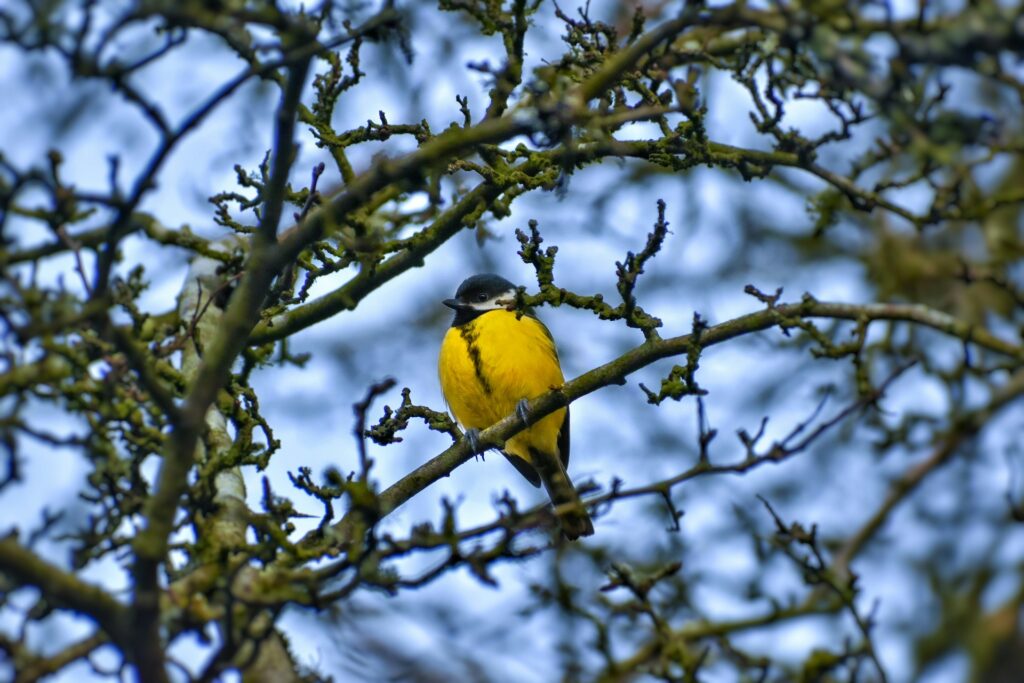
Under the Wildlife and Countryside Act 1981 and the Conservation of Habitats and Species Regulations, it’s illegal to intentionally damage or destroy active wild bird nests, as well as bat roosts. Cutting down or heavily pruning a tree while birds are nesting, or disturbing a known bat roost at any point during the year, can trigger immediate criminal prosecution. Offenders face unlimited fines per offence, potential prison sentences of up to six months, and the confiscation of any equipment used to carry out the work.
7. Trees within new housing developments
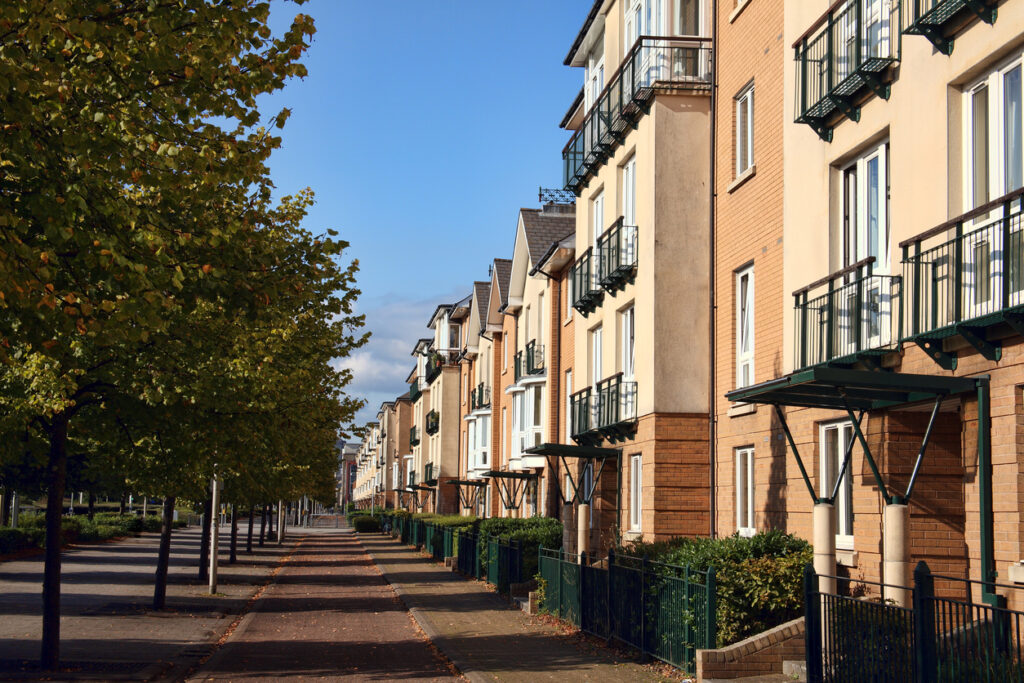
Developers are often required to retain certain trees when building housing estates. These are usually marked out in planning permissions. If you remove or damage a tree included in a site plan, you can be fined or forced to replace it with one of equal size and species — often at significant cost.
8. Protected species like English oaks and ancient yews
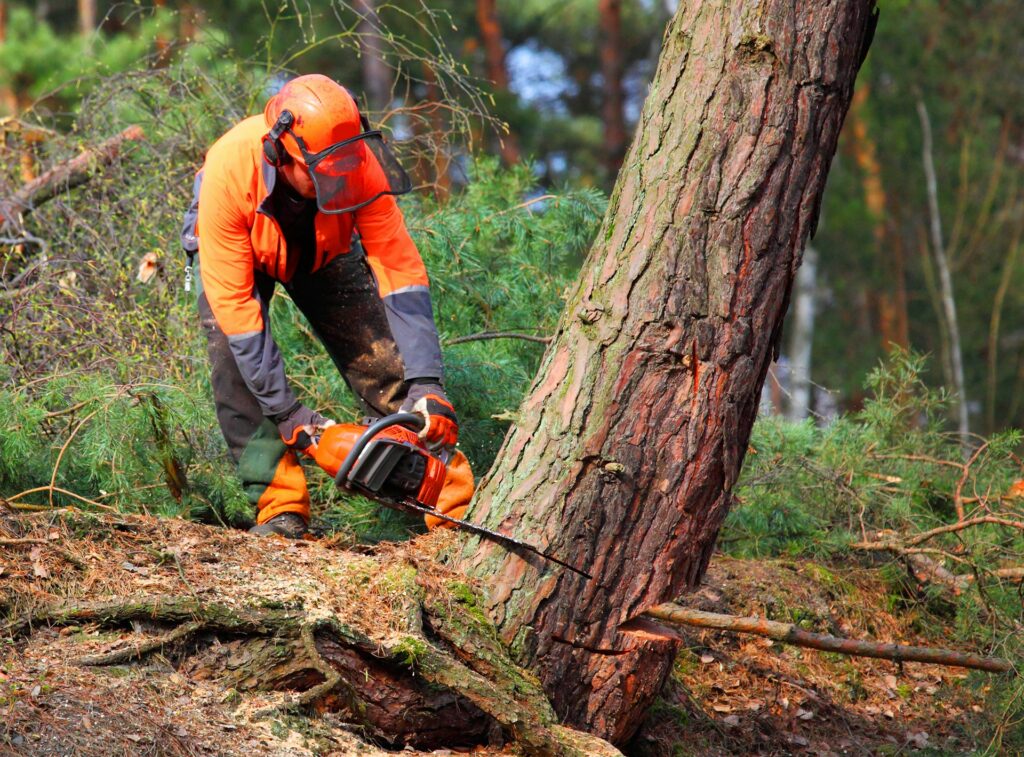
While no individual tree species receives automatic, blanket protection across the UK purely because of what it is, iconic native trees like English oaks, yews, sweet chestnuts, and Scots pines frequently carry formal protection. Councils routinely place Tree Preservation Orders on these long-lived species due to their historical, cultural, and ecological value to the local landscape. Before touching a mature native tree, it’s essential to check local planning registers; cutting down or damaging a historic, protected specimen can result in prosecution and costly legal orders to fund a replacement.
9. Boundary or shared trees
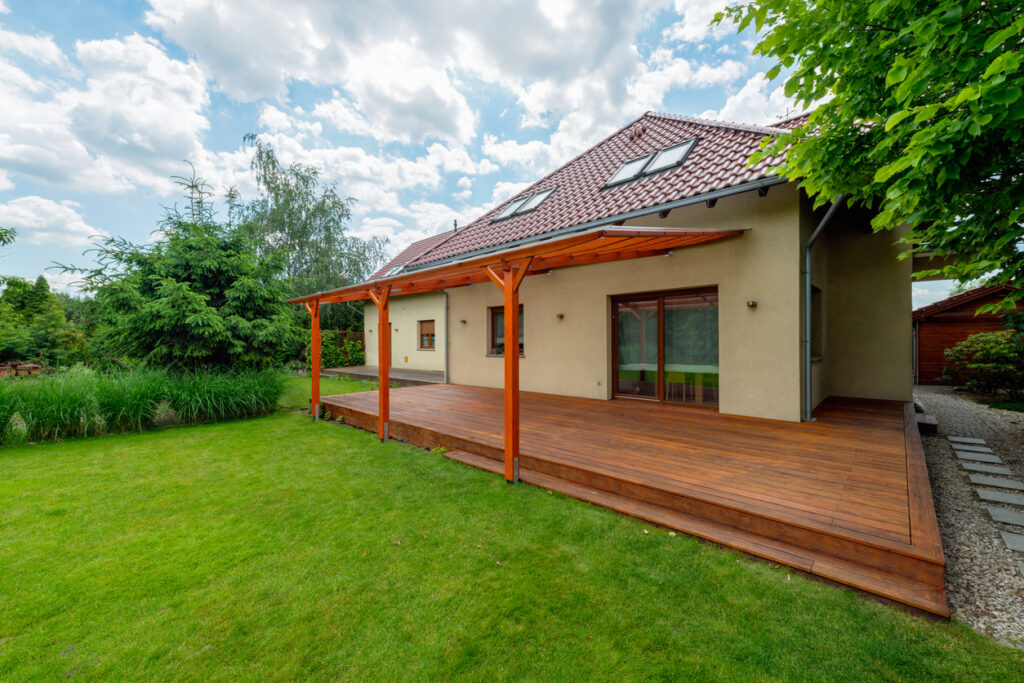
If a tree grows on a property boundary or straddles two plots, both owners share responsibility. Cutting it down without the neighbour’s agreement can lead to civil disputes or compensation claims. In protected areas, it’s even more serious, as both owners could face fines if the tree had a TPO or wildlife protection in place.
10. Trees protected by national heritage designations
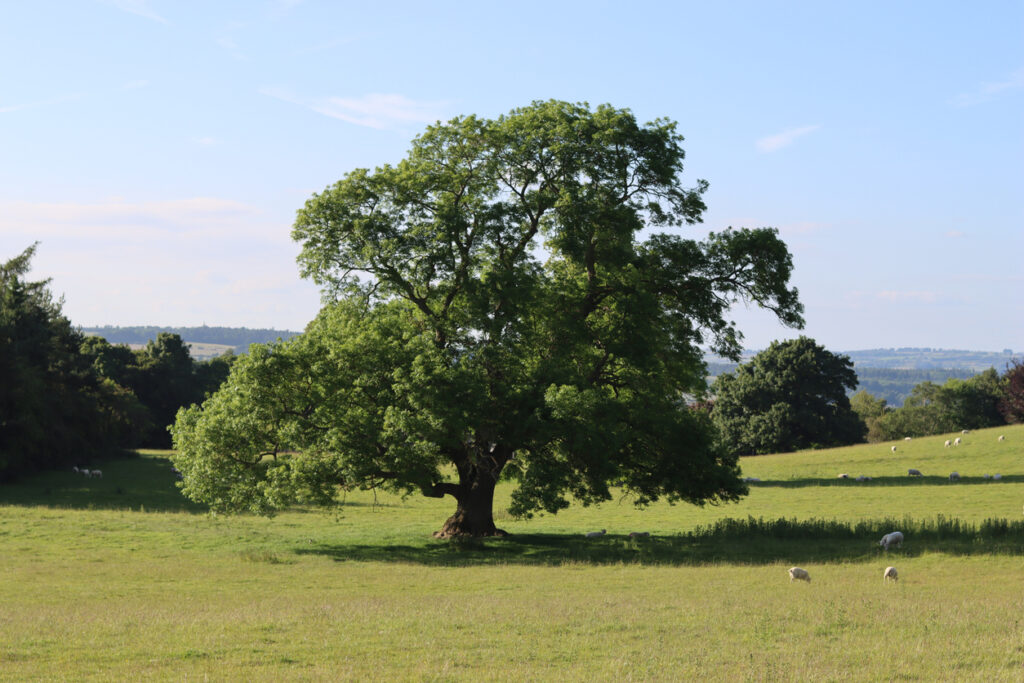
Trees growing within the grounds of listed buildings, historic gardens, or monuments may fall under heritage protection laws. You’ll need official consent before carrying out any work. Fines for unauthorised removal depend on the site’s level of protection. In some cases, they can exceed £20,000 and include legal orders to replant.
11. Trees in reforestation or carbon offset projects
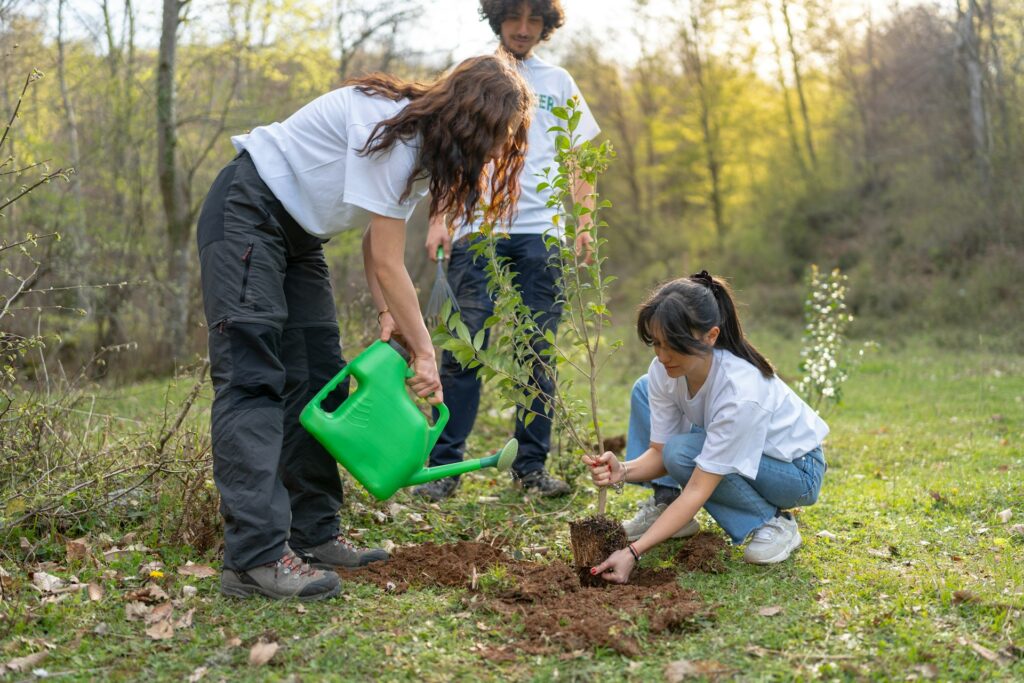
Some woodlands planted under conservation or carbon capture schemes are protected by environmental agreements. Cutting trees from these sites breaches contract law as well as environmental regulations. Penalties can include repayment of grants, replanting obligations and fines imposed by the Forestry Commission.
12. Trees covered by forestry licences

Under the Forestry Act 1967, you need a felling licence from the Forestry Commission (or Natural Resources Wales / Scottish Forestry) if you plan to fell more than five cubic metres of timber in a single calendar quarter on non-garden land, such as smallholdings, farmland, or private woodlands. Felling trees beyond this allowance without a valid licence is a serious offence that can lead to unlimited fines, a criminal conviction, and legally binding restocking notices forcing you to replant and maintain the entire felled area.
13. Trees on protected farmland and estates
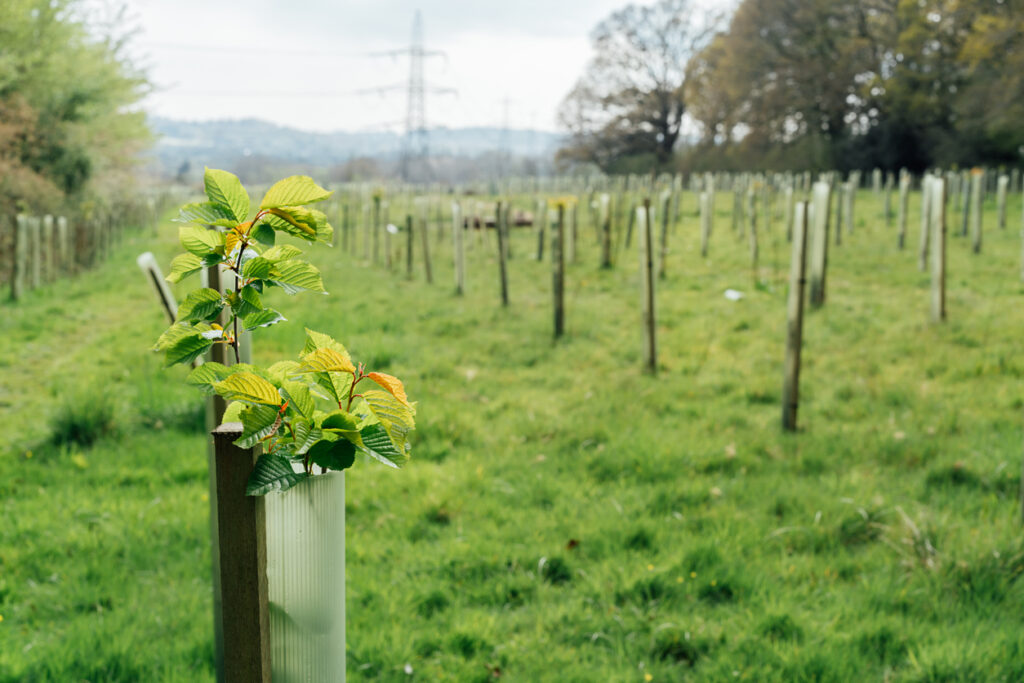
Large estates or agricultural land with conservation designations often have strict tree management rules. Cutting or clearing trees without permission breaches environmental stewardship agreements. Landowners can lose subsidies or face enforcement action. These rules exist to protect habitats for birds, insects and small mammals.
14. Trees affected by environmental law breaches
Any work that harms the environment, such as polluting soil or damaging protected roots, can trigger prosecution under the Environmental Protection Act. Even using heavy machinery near a protected tree can count as damage. Courts can issue unlimited fines and order offenders to fund restoration. In serious cases, criminal records can follow for deliberate destruction.
How to stay within the law
Before cutting or pruning any mature tree, always check with your local council. Most offer quick online searches for Tree Preservation Orders and conservation boundaries. If you go ahead without permission, the “I didn’t know” defence won’t hold up. Britain takes its trees seriously, and so do the courts — because once a tree is gone, it takes a lifetime to replace.