If you’ve hit a pothole this year and felt your stomach drop along with your wheel, you’re not alone.
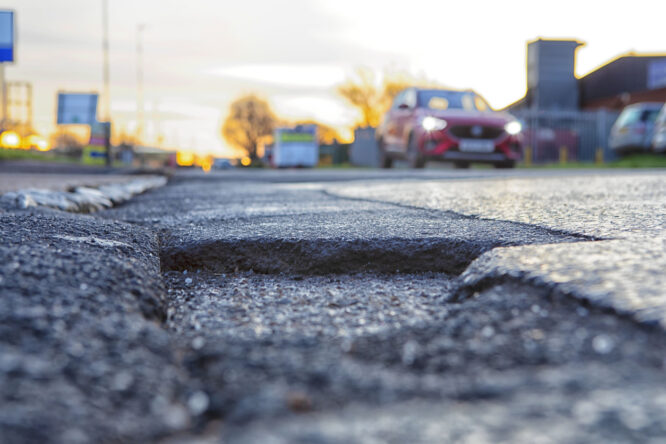
New figures suggest pothole damage claims have jumped by a quarter compared with last year, and the average payout has shot past £5,000. Some towns are getting hit far harder than others too, so if you live in one of the worst affected areas, it might be time to start driving a bit more carefully and keeping an eye on your excess.
These are the towns where pothole claims are piling up.
Insurance data covering the first five months of the year shows Peterborough sitting right at the top of the pothole claims table, a spot it’s apparently held every year since 2020. Tonbridge and Northampton aren’t far behind, followed by Plymouth, Chelmsford, Glasgow, and Nottingham. If you’re regularly driving through any of these places, you’ll want to check your tyres and suspension a bit more often than you might otherwise.
On the flip side, drivers in Dorchester, Lincoln, and Croydon have had a much easier time of it, along with Wigan, Huddersfield, Watford and Dartford, all of which recorded far fewer claims. The government has also been trying to track road conditions more broadly, using a red, amber, and green rating system for local authorities based on how well roads are being maintained and how repair funding is being spent. Out of over 150 authorities assessed, only a small handful were rated red, with most falling somewhere in the amber middle ground, meaning things are improving, but there’s still a fair way to go.
Roads are getting worse across the board, not just in the hotspots.
It’s not just a handful of unlucky towns dealing with this. Breakdown data suggests drivers are reporting well over 200 pothole related breakdowns a day on average, which is a huge jump compared to the same point last year. Claims data tells a similar story, with insurers seeing a sharp rise in pothole related damage between January and May compared with the equivalent period last year, and a particularly steep spike in January alone.
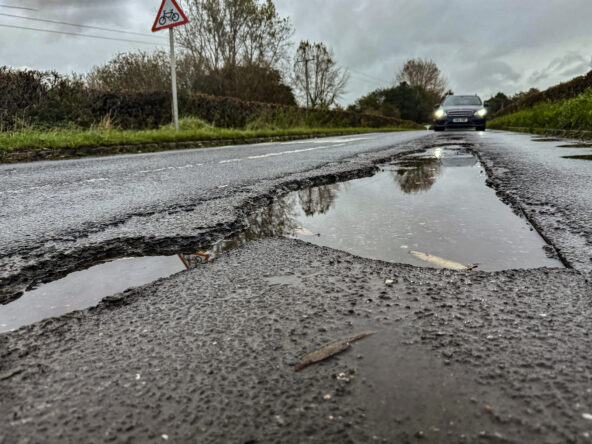
Payouts have climbed just as fast. The average successful claim has risen from under £4,000 to well over £5,000 in the space of a year. Part of the reason for the surge is seasonal. Cold, wet weather causes water to seep into small cracks in the road surface, and when it freezes and thaws repeatedly, it weakens the tarmac until it eventually gives way under the weight of passing traffic. That’s why the first few months of the year tend to be the worst for potholes, with nearly half of all claims happening during this stretch.
Wheels take the brunt of it, but repairs add up fast.
When it comes to what actually gets damaged, wheels are by far the most common casualty, followed by suspension, engine damage, the underside of the car, and dented bumpers or bodywork. None of it comes cheap either. Across the country, pothole related repairs are thought to cost drivers billions of pounds every year, with the average bill for common issues like a blown tyre or misaligned tracking landing at over £300.
That’s a painful amount to pay out of pocket, especially if it happens more than once. If you’ve noticed your car pulling to one side, hearing a knocking noise from the suspension, or picking up a slow puncture out of nowhere, a pothole could well be the reason, even if you didn’t notice hitting one at the time.
Should you claim on your insurance?

Technically, yes, you can claim the cost of pothole repairs through your car insurance, but before you do, do the maths first. A pothole claim can sometimes be treated as your fault if your insurer can’t recover the cost from anyone else, which usually means paying your excess regardless. If your excess is higher than the repair bill, making a claim just isn’t worth it financially. On top of that, claiming can push up your premium down the line and might affect your no claims bonus, unless you’ve got that protected.
This is also a good reminder to check what your breakdown cover actually includes. If a pothole leaves your car undrivable, you’ll want to know your policy covers roadside help and a tow to a garage, rather than finding out the hard way at the side of the road.
Going after compensation from the council instead may be a better option.

If claiming through your insurer doesn’t add up, there’s another route. You can try to get compensation directly from whoever is responsible for maintaining the road, which is usually the local council, although not always. Motorways and major A roads, for example, often fall under a different authority, so make sure you check who’s actually responsible before you get in touch. You can usually find this out by searching the road name or postcode through the relevant government website.
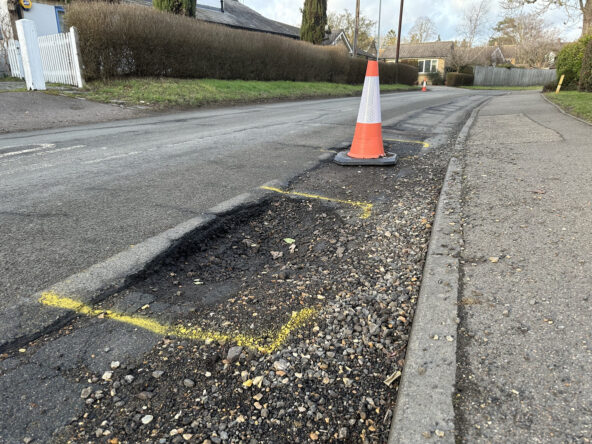
Whichever route you take, evidence makes all the difference. Take photos of the pothole itself, ideally with something in shot to show its size, along with clear pictures of the damage to your car. Hang onto every receipt and repair invoice too, since you’ll need these to back up your claim.
What happens if your claim gets turned down?

Councils won’t always pay out in full, and some reject claims altogether. If that happens to you, don’t assume that’s the end of it. Most authorities have a formal process for challenging a decision, so ask what that involves and putting together a stronger case if you can. Photos showing the pothole had already been reported, for instance, can carry a lot of weight, since councils are expected to fix known hazards within a reasonable timeframe.
If you’ve exhausted that process and still feel you’re owed money, the small claims court is technically an option, though it’s sensible to get some legal advice before going down that path, especially if the amount involved is small. For most people, a bit of patience and a well documented claim will get the job done without things escalating that far.
With claims and payouts both climbing, it’s a good moment to take a photo of any battered stretch of road near you and report it, rather than waiting until it costs you a set of tyres.