Toyota and Lexus have spent decades building a reputation for making some of the most reliable cars on British roads.

However, an investigation by consumer champion Which? has uncovered a serious battery flaw in popular models that’s causing massive headaches for drivers across the country. Instead of just dealing with a flat battery on a cold morning, owners have found themselves stuck with completely dead electronics, left trapped inside their own cars, and handed hefty garage bills for a recurring problem the car giant hasn’t properly sorted. If you drive one of these hybrids, here’s what’s actually going on and why so many owners are furious.
The data revealed something pretty disturbing about Lexus and Toyota.

The most recent large-scale car reliability survey in the UK found that certain Toyota and Lexus hybrids account for a disproportionate share of 12V battery, or starter battery, failures. One Lexus model showed a battery problem rate of nearly 30%, while a popular Toyota model came in at just over 19%. Across full hybrid cars from any brand, the average failure rate sits at around 5.6%, making these specific figures stand out considerably.
Following coverage of this data, more than 270 owners got in touch to share their own experiences, with over three quarters relating specifically to Toyota and Lexus models. Several Lexus premium models and a handful of Toyota hatchbacks and crossovers featured repeatedly among the complaints received.
A flat battery can trap people inside their own car.

Electrically operated doors are becoming increasingly common on premium vehicles. Rather than releasing the door directly, the handle engages an electric motor to do so, meaning a flat 12V battery can leave the door mechanism completely unresponsive. Most models include a manual override that doesn’t rely on electricity, but testimony from owners suggests many simply weren’t told how it works before something went badly wrong.
One owner described the 12V battery in his year-old Lexus failing twice, trapping him and a family member, along with two dogs, inside the vehicle both times. Unaware of the manual release mechanism, he felt he had no choice but to break a window to let air into the car. Another owner described a similarly frightening experience, ending up with her grandchildren locked inside her car with the keys, after the electrically retracting door handles stopped working entirely.
The children had no idea how to use the manual override, and the emergency mechanical key was locked inside the vehicle along with them. A third owner described his wife becoming extremely distressed after being unable to open a rear door normally, believing she was trapped, since the manual release process wasn’t intuitive and hadn’t been clearly explained when the car was handed over.
How the manufacturer has responded to the safety concerns
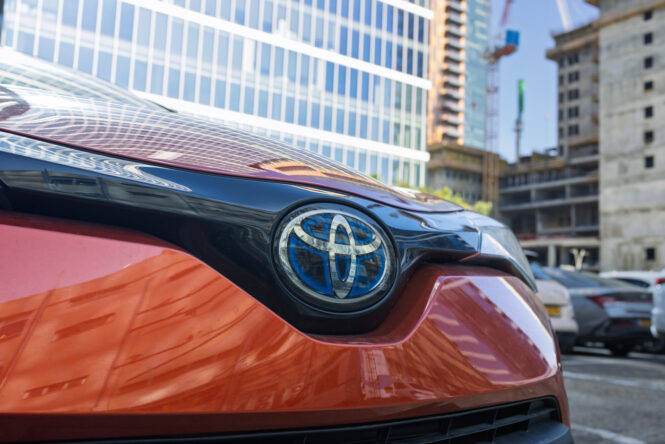
Following these concerns being raised, the manufacturer has published guidance online covering what to do if a 12V battery fails, including how to handle a situation where electrical door releases stop working. Similar guidance is expected to follow for the premium brand shortly, with plans to share this information across the wider dealer network too.
The company has acknowledged particular concern over reports of customers feeling distressed or vulnerable due to a depleted battery, including difficulty operating electronic door release systems, and has stated that customer safety remains its highest priority.
A wider information campaign is still needed.

While it’s positive that these safety concerns are being taken seriously, an effective fix requires reaching every affected owner directly, including anyone who purchased an affected car second-hand and may have no direct contact with the dealer network at all. One proposed solution involves using vehicle registration data to write directly to every registered keeper of an affected car in the UK, though the manufacturer has yet to confirm exactly how it plans to reach owners more broadly.
Owners are being blamed for the fault, and they’re (rightfully) furious about it.

Beyond the safety concerns, a troubling pattern has emerged around how dealers have responded to battery complaints. Numerous owners reported being told their driving habits, rather than any fault with the car itself, were responsible for repeated battery failures. Common advice given to owners included driving somewhere between 7,000 and 10,000 miles a year, or leaving the car powered on and stationary for at least an hour weekly to keep the battery charged.
According to government transport data, the average annual mileage for non-business driving across the UK sits at around 4,500 miles, with business and commuting mileage averaging roughly 7,100 miles. In other words, the mileage figures being quoted to owners experiencing battery problems significantly exceed what most UK drivers actually manage in a typical year.
This is relevant in terms of how these cars are sold.

This raises a question under UK consumer law. Failing to inform buyers upfront that a vehicle requires a specific minimum mileage simply to keep its battery functioning reliably could reasonably be considered a material omission, one directly affecting how usable the car actually is, and one that may well have changed a buyer’s decision had they known about it beforehand.
Multiple owners specifically said they wouldn’t have chosen their car had they been told about this mileage requirement at the point of sale. One owner, whose battery has failed four times since being advised to drive the car for an hour weekly and cover more than 8,000 miles annually, said he had never come close to that mileage in his entire driving history and had lost faith in the vehicle entirely.
The financial burden is falling on owners.

Several owners described being pushed toward costly, unofficial workarounds. One driver was advised to take a specific nine-mile round trip along a dual carriageway twice a week purely to keep the battery charged, and instead opted to buy a solar charger herself rather than follow that advice. Another owner, despite covering more than 14,000 miles in under two years, was still told his usage pattern was to blame for repeated battery problems, eventually paying nearly £200 out of pocket for a replacement battery himself.
One owner was quoted £160 simply for a battery inspection, refundable only if a fault was actually found, with a replacement costing a further £195 on top. Rather than risk that expense, he took the car to an independent garage instead, where a new battery was fitted for under £100 alongside a four-year warranty, and the car has run without issue since.
Trickle chargers have become an unofficial fix.

Some owners felt compelled to buy a trickle charger, either battery or solar-powered, specifically to keep the 12V battery topped up between drives. These devices can cost well over £100, and some dealers even stock them as part of official advice for maintaining battery health, despite this placing an ongoing financial and practical burden squarely on the owner.
In some cases, a replacement battery resolved the issue entirely. In others, the replacement performed no better than the original, pointing toward a mix of underlying problems, including potentially substandard batteries, software issues, and unresolved power drain that hasn’t yet been properly fixed. One particularly striking case involved a dealer offering to physically modify a car’s interior panelling to make it easier to connect a solar charger, a modification that was later confirmed not to be an official or approved service at all.
What’s being called for

The clear ask now is a real overhaul of how these battery issues are handled. Dealers need to stop attributing battery failures to low mileage without clear evidence, and prospective buyers of affected models should be told, both verbally and in writing, exactly how much driving is needed to avoid battery problems before they commit to a purchase.
Anyone who has already paid out of pocket for a battery or charging equipment should be reimbursed, regardless of the car’s current warranty status, and free battery inspections should be available to any owner with concerns, without exception. Software updates aimed at reducing unnecessary power draw and giving drivers a clearer, more accurate readout of battery health are also being called for, alongside a clear, upfront explanation for every owner of how to access manual door release mechanisms, both from inside and outside the vehicle.
There’s also a broader legal question at play here, specifically whether failing to disclose a minimum mileage requirement breaches consumer protection law around misleading omissions, and whether selling cars that require this level of specific usage to remain reliable could breach standards around satisfactory quality and fitness for purpose. Continued pressure remains on manufacturers to respond meaningfully, with the possibility of formal complaints to trading standards and competition authorities remaining on the table if the response continues to fall short.