Opening the fridge door only to be hit in the face by a foul, mysterious pong is enough to ruin your appetite in seconds.

You start chucking out suspicious leftovers, sniffing the milk carton, and inspecting the cheese drawer, but half the time, getting rid of the obvious culprits doesn’t actually get rid of the smell. That lingering stink is rarely down to one forgotten tub of hummus, either. A surprisingly grimy mix of hidden food traps, clogged drainage holes, and bacterial buildup on internal seals can quietly turn your fridge into an absolute nightmare behind the scenes.
If you’re tired of holding your breath every time you reach for a snack, here are the most common reasons your fridge smells rough, and how to sort the problem out for good.
What’s actually causing the smell?

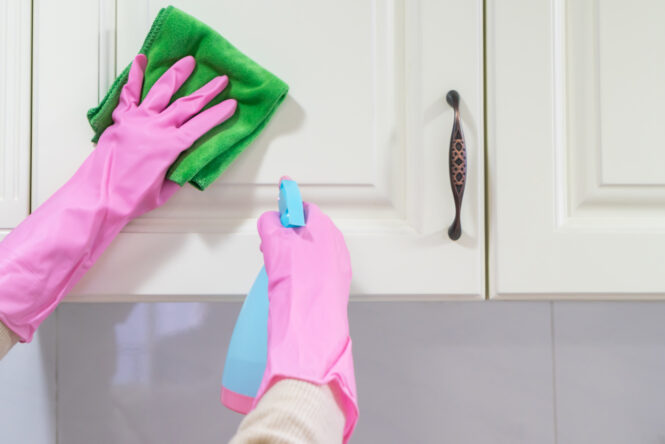
A dirty interior is the most common culprit. Spills that go unnoticed or food that’s gone off can build up over time, and a deep clean usually sorts it. That means clearing everything out, binning anything past its best, removing drawers and shelves to wash separately, then wiping down the interior and drying it fully before putting everything back.
If the inside’s already clean but the smell lingers, the drip tray or condensation drain pipe running down the back of the fridge is worth checking next. These can quietly fill up with gunk without ever being visible during a normal clean.
Storage habits could be the problem.

Strong-smelling food stored incorrectly is another common cause. Keeping things properly sealed rather than loose makes a real difference to how much odour actually escapes into the fridge. If your fridge has a water dispenser and the smell has a chemical edge to it, the filter may need replacing. Instructions for this are usually brand-specific, so check the user guide that came with the appliance rather than guessing.
Sometimes it’s not the fridge at all.

If a thorough clean and check of storage habits still hasn’t solved it, the smell might be coming from somewhere else in the kitchen. Blocked drains, an overdue food waste bin, or a forgotten piece of fruit tucked away in a cupboard should be ruled out before assuming the fridge itself is to blame.
Spills and food that’s gone off create ideal conditions for bacteria like listeria or salmonella, along with mould that can spread and contaminate otherwise fresh groceries. Cleaning regularly helps prevent both bacterial growth and cross-contamination, and a weekly wipe-down stops small, unnoticed spills from turning into a lingering smell in the first place.
How to store food properly to stop smells before they start

Prevention beats cure here, and how food is stored plays a big role in keeping a fridge smelling fresh. Keeping food in its original packaging helps contain strong odours and reduces the amount of loose crumbs and spills that build up over time, rather than decanting everything into open dishes for the sake of appearance.
Leftovers fare much better in proper sealed containers rather than a bowl with no lid, which lets smells spread freely through the whole fridge. Not every condiment actually needs refrigeration either. Soy sauce, ketchup, and brown sauce all keep perfectly well in a cupboard, which also cuts down on the sticky spills and smudges that tend to build up in door racks over time.
Where you put things matters too.

Different shelves in a fridge sit at different temperatures, with the upper shelves generally running warmer than the ones at the bottom. Placing food in the zone that actually suits it makes a real difference to both freshness and smell. Meat and fish belong on the colder bottom shelf, cooked food and anything like cream cakes are better suited to the top, and dairy along with eggs tend to do best kept in the middle of the fridge.
When it might be time for a new fridge
If food keeps spoiling faster than expected despite doing everything right, and no obvious fix solves the problem, it might be time to consider a replacement fridge or fridge freezer. Getting the right size is important here, since paying for extra space or features that won’t actually get used isn’t necessary.
A good fridge doesn’t have to come with a hefty price tag either, plenty of budget-friendly models still keep food properly chilled without breaking the bank. Whatever model ends up being the right fit, you’ll want to around, since fridges are frequently discounted as manufacturers release new models and retailers clear out older stock to make room.