Statins remain one of the most widely prescribed medicines in the UK, taken by somewhere between 7 and 8 million adults.
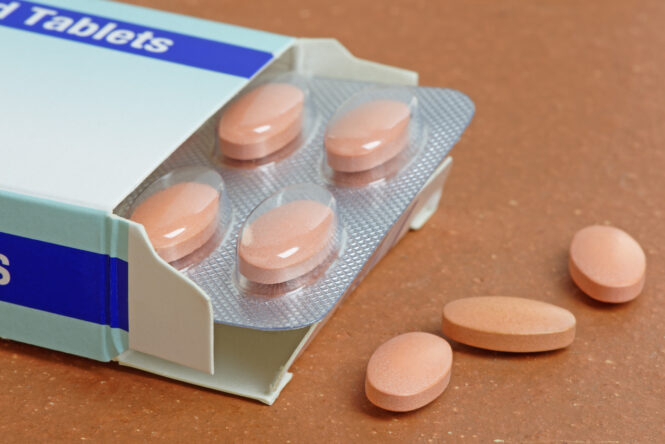
However, while they’re generally safe and effective, they do come with certain potential downsides that patients need to be educated on in order to protect their health. With that in mind, a pharmacy expert has now set out exactly which side effects and drug combinations people should be aware of, while stressing that for most patients, the benefits still comfortably outweigh the risks.
How many people are actually taking these drugs?

Figures from the National Institute for Health and Care Excellence show that more than 5.3 million people are prescribed cholesterol-lowering statins in England alone, making them one of the NHS’s most commonly dispensed treatments. Given how widely they’re used, understanding the less common risks matters, even though most people tolerate them without issue.
Dipa Kamdar, senior lecturer in pharmacy practice at Kingston University, has laid out both the everyday side effects and the rarer complications worth watching for with The Conversation, along with practical advice on what to do if problems arise.
The common and rare side effects shouldn’t be ignored.

Like any medicine, statins carry a range of possible side effects. The everyday ones include headaches, digestive upset and dizziness, symptoms most people would recognise as fairly mild and manageable.
Rarer but more serious effects include liver inflammation and muscle problems. One specific condition, myopathy, involves muscle pain or weakness alongside raised levels of creatine kinase, an enzyme released when muscle tissue sustains damage. In extremely rare cases, this can progress to rhabdomyolysis, a severe form of muscle breakdown that requires urgent medical attention.
Muscle symptoms aren’t always down to the statin.

Despite these risks sounding alarming on paper, large-scale data shows most people handle statins perfectly well. When patients do report muscle symptoms while taking one, there’s actually less than a 10% chance the statin itself is the actual cause.
Rhabdomyolysis specifically remains extremely rare, affecting only a handful of people per million users. The risk climbs mainly at very high doses, or when a statin is combined with other medicines that interfere with how it gets broken down in the body, which is where the real caution lies.
The effect on blood sugar is also noteworthy.
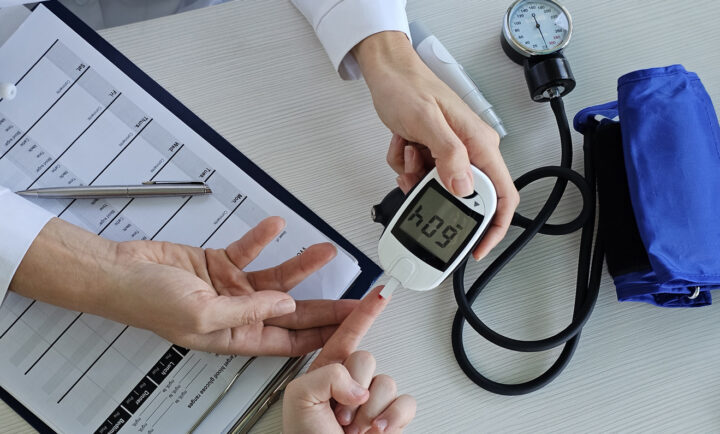
Statins can also cause a modest rise in blood glucose, an effect that mainly shows up in people who already have prediabetes or diabetes. Despite this, because statins substantially cut heart attack risk in these same groups, the overall benefit still outweighs that small increase in blood sugar.
Most side effects reverse once treatment stops entirely, which stands in sharp contrast to the permanent damage a heart attack or stroke can leave behind. That distinction underpins much of the reasoning behind why doctors continue prescribing statins so widely, despite the possible complications.
Drug interactions have to be taken seriously.

One of the bigger concerns lies with how statins interact with other medicines. Atorvastatin and simvastatin are broken down in the liver by enzymes known as CYP enzymes, particularly CYP3A4. When another medicine blocks this enzyme, statin levels can build up in the bloodstream, raising the risk of muscle-related side effects.
Notable interactions include antifungal medications such as ketoconazole, certain antibiotics like erythromycin, immunosuppressants including ciclosporin, and heart medicines such as amiodarone and diltiazem. Anyone prescribed a statin alongside one of these should flag it with their GP or pharmacist rather than assuming it’s fine.
Even grapefruit can be a problem.

Surprisingly, something as ordinary as grapefruit can interfere with how statins are processed. It contains compounds called furanocoumarins, which block CYP3A4 enzymes in the gut, allowing more of the statin to enter the bloodstream than intended.
Not every statin is affected equally by this interaction, so switching to a different type could reduce the risk for anyone who regularly eats grapefruit or drinks its juice. It’s a small dietary detail that’s easy to overlook, but worth mentioning to a pharmacist if grapefruit is a regular part of someone’s diet.
Lifestyle changes are still incredibly important alongside medication.

Statins are effective, but Kamdar stresses that managing cholesterol properly still requires real lifestyle changes rather than relying on medication alone. Losing excess weight ranks as a major cardiovascular risk factor in its own right, and a review found that combining diet with exercise reduced body weight, improved cholesterol readings, and lowered overall cardiometabolic risk, cutting factors linked to both heart disease and type 2 diabetes.
National guidelines recommend reducing saturated fat intake specifically to help lower LDL cholesterol, the type most closely tied to heart disease. Saturated fat commonly turns up in butter, fatty cuts of meat, and heavily processed food.
What should you swap in your diet?

Replacing saturated fats with unsaturated alternatives, such as olive oil, nuts and seeds, can meaningfully improve cholesterol levels over time. Shifting toward plant-based protein sources like beans, lentils, and soy may also reduce reliance on red and processed meat, both linked to poorer cardiovascular outcomes.
Fibre plays a role too. Research consistently links higher fibre intake to better cholesterol readings and a lower risk of heart disease overall, making it one of the simpler dietary changes worth prioritising alongside any prescribed medication.
Getting the balance right for each patient takes time.

Ultimately, decisions around statin treatment should be tailored to the individual, weighing cardiovascular risk against the proven benefits of the medication, any potential side effects, and how realistic a given lifestyle change actually is for that person’s circumstances. Not everyone can overhaul their diet overnight, and Kamdar’s point is that treatment plans need to reflect that reality rather than assuming a one-size-fits-all approach.
Statins have transformed cardiovascular care and saved millions of lives since they entered widespread use, yet they remain a source of ongoing debate. Tackling poor diet, physical inactivity and obesity directly still sits at the centre of reducing the long-term burden of heart disease, alongside, not instead of, the medication millions currently rely on.