If you travel by plane a lot, you build up your own little routine.
You get your bag packed a certain way, you head to the gate at the same time, and you figure you’ve got it down to a fine art. The trouble is, a lot of the things frequent flyers do without thinking are actually making their journey a nightmare.
A former flight attendant who clocked more than 250 flights in a single year reckons the same unforced errors happen on pretty much every single trip. It doesn’t matter if it’s someone on their very first holiday or a commuter who spends half their working life in airport lounges, people keep falling into the exact same traps.
These are the everyday habits you’re better off dropping next time you head through security.
Cutting it too close on airport arrival times
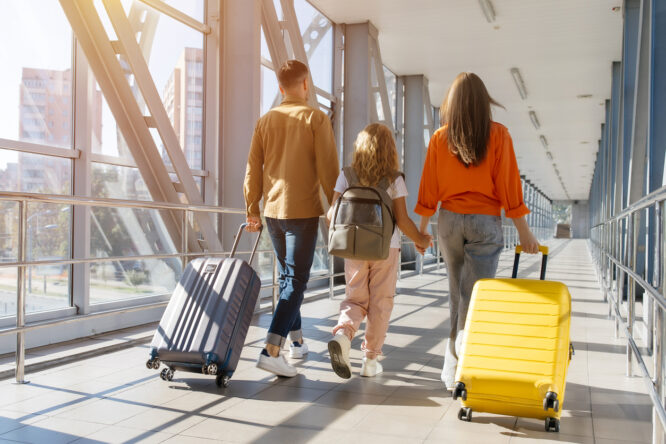
One of the most common mistakes is simply not leaving enough time to get through the airport before a flight. The general rule that tends to hold up best is arriving two hours before a domestic flight and three hours before an international one. It’s tempting to shave that down to avoid sitting around, but unexpected hiccups happen constantly, parking can be a nightmare to find, check-in desks can be understaffed, security queues can back up, or a gate can change at the last minute.
Having that extra buffer means those problems become minor annoyances rather than genuine crises. If everything does go smoothly, that spare time isn’t wasted either, it’s a chance to grab a coffee, refill a water bottle, or pick up snacks before boarding. It’s also worth remembering that departure time and door closure time aren’t the same thing.
Boarding usually wraps up around 15 minutes before departure, and once that aircraft door shuts, it isn’t opening again for latecomers, no matter how close you are or how apologetic you sound at the gate desk. Airlines also tend to be stricter on this at smaller regional airports, where staff numbers are lower and there’s less flexibility to hold a flight even by a few minutes.
Having one too many drinks before boarding
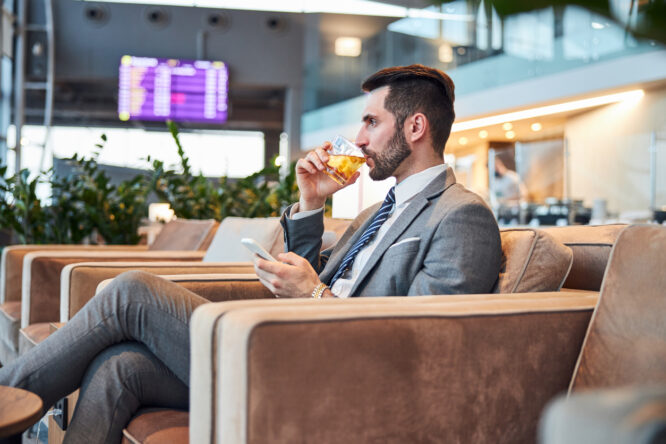
A pre-flight drink at the airport bar is a fairly normal part of travelling for plenty of people, but overdoing it comes with real consequences. Airlines are legally barred from letting visibly intoxicated passengers board a flight. Part of the reasoning is safety, someone who’s had too much to drink may struggle to follow crew instructions properly, particularly if there’s ever an emergency situation, and alcohol can also make people more likely to become difficult or aggressive, which is far harder to manage mid-flight than it would be on the ground.
If crew members notice a passenger appears intoxicated while boarding, they’re required by law to report it. From there, a specially trained staff member steps in to assess the situation, and if that assessment confirms intoxication, regulations require the passenger to be removed from the flight entirely. This turns out to be one of the single most common reasons passengers end up getting pulled off flights before departure. It’s also worth knowing that altitude and cabin pressure can make the effects of alcohol felt more strongly once you’re actually airborne, so a couple of drinks that seemed fine on the ground can hit differently once the seatbelt sign switches off.
Leaving the airport during a delay
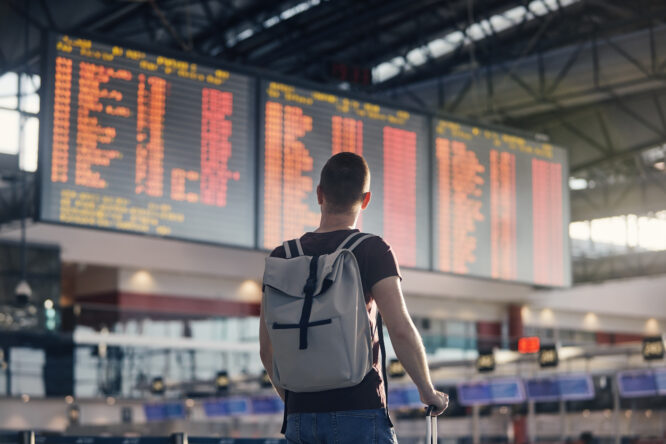
It might seem obvious to head home or run an errand if a flight gets delayed by a few hours, but that’s a riskier move than most people realise. Flights can, and sometimes do, “un-delay” without much warning. Airlines tend to announce delays in small increments rather than one big chunk of time, partly because circumstances can change, a replacement aircraft might become available, a different crew might free up, or bad weather might clear faster than forecast.
Whatever the reason behind the delay, staying close enough to the gate to get there on short notice matters more than it might seem. If that delay suddenly reverses and a passenger isn’t there to make it back in time, the plane leaves without them, regardless of how inconvenient that feels. A safer approach during a long delay is staying within the terminal itself, finding a seat near the gate, and keeping an eye on the departure board rather than relying purely on app notifications, which don’t always update as quickly as the screens do.
Skipping seat selection
Booking flights under one shared reservation doesn’t automatically guarantee sitting together, even for people travelling with children. Anyone who wants to sit beside their travel companion needs to actually select seats in advance, rather than assuming it’ll sort itself out at check-in. The same advice applies even when travelling solo, since skipping seat selection usually means ending up wherever nobody else wanted, typically a middle seat wedged between strangers.
For anyone with a tight connecting flight, paying a bit extra for a seat closer to the front of the plane can also make a real difference in getting off quickly and making that next gate. Some airlines offer free seat selection while others charge for it, but the peace of mind it buys is generally seen as worth the cost either way. Choosing your seat early can also help avoid awkward last minute swaps once you’re on board, since crew generally prefer passengers stay in their assigned seats for weight distribution and safety reasons, even if the flight isn’t full.
Not cleaning your own seat area before sitting down
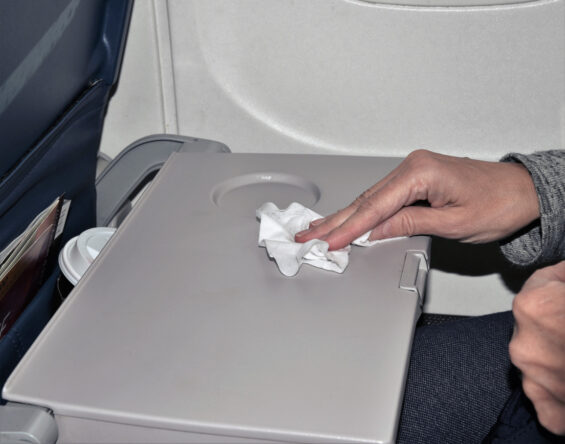
Cleaning standards between flights vary a lot depending on the airline and airport, but in many cases turnaround cleaning is fairly minimal, largely picking up visible rubbish and a quick vacuum rather than anything more thorough. Given how quickly some flights start boarding again after the previous passengers have barely stepped off, it’s easy to see why deep cleaning often gets skipped.
Bringing a pack of disinfecting wipes and giving the tray table, armrests, and seatbelt buckle a quick once-over before settling in is a simple habit that costs almost nothing but can make a noticeable difference to peace of mind during the flight. The tray table in particular tends to pick up the most attention from cabin crew as a hotspot, since it gets used for everything from nappy changes to resting bare feet, so it’s worth prioritising that spot first if time is short before takeoff.