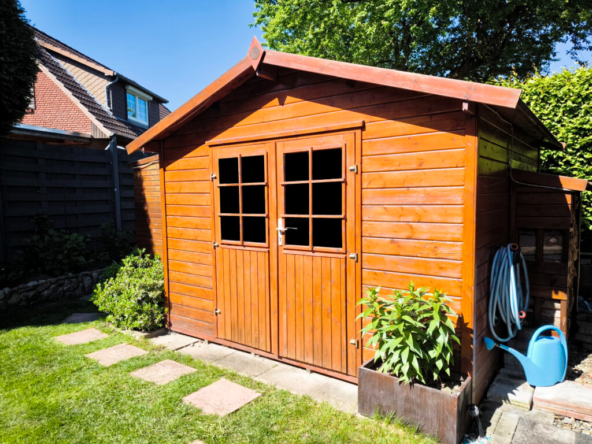
Having a nosy neighbour peering into your garden is enough to ruin a relaxed afternoon outdoors, and your first instinct is usually to put up a tall, privacy-boosting fence as fast as possible.

But before you head down to the local DIY store and start digging post holes, rushing into a boundary project without checking the legal restrictions can cost you a small fortune in the long run. From strict height limits and planning permission rules to disputes over exact boundary lines and shared responsibility, the laws surrounding garden fences in the UK are surprisingly specific.
These are some of the essential fence rules you need to understand before blocking out unwanted eyes, so you can keep your privacy intact without landing in a costly battle with your local council or next door.
The nosy neighbour problem tends to creep up slowly.

It’s rarely obvious from the start that a friendly neighbour is crossing into nosy territory. Often it begins innocently enough, a bit of chat while doing garden work or moving in, questions about renovations, the usual small talk that comes with getting to know someone living next door.
The trouble tends to start once that early friendliness doesn’t ease off once the initial reason for it has passed. What began as polite curiosity can gradually transform into something that feels more like being watched, particularly once a garden becomes a space for relaxing, entertaining, or simply enjoying quiet time rather than doing renovation work.
Nosy behaviour manifests in a few different ways.
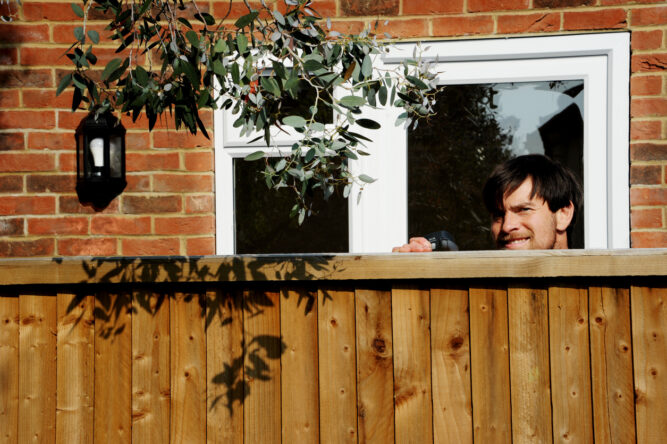
For plenty of people dealing with this, the issue isn’t one dramatic moment but a build-up of small, repeated intrusions. Comments about comings and goings, someone appearing at the fence the moment you step outside, or conversations that drag on well past the point either side has anything left to say.
It can also show up in less obvious ways, like noticing a neighbour peering out from behind a door as you arrive home, or repeatedly leaning over a shared boundary to strike up conversation regardless of whether the timing seems welcome. None of these moments are dramatic on their own, but together they can leave someone feeling like their garden isn’t truly private anymore.
Setting a boundary doesn’t have to mean conflict.

For anyone facing this kind of situation, the most straightforward fix often isn’t physical at all, it’s communication. Being upfront and polite about wanting some uninterrupted time outdoors tends to go a long way, since most people genuinely don’t realise they’re overstepping until it’s pointed out directly.
Simply explaining that certain times in the garden are reserved for relaxing or spending time with a partner or family, without needing to justify it further, is usually enough to reset the dynamic. It avoids unnecessary conflict while still making the boundary clear.
When a fence becomes the more practical option.

Sometimes a conversation alone doesn’t fully solve the problem, particularly if a garden’s layout makes it easy to be observed no matter what. In these cases, physical solutions like raising a fence, adding a privacy screen, or planting trees and shrubs along a boundary can help block sightlines without needing an ongoing conversation about it.
Greenery in particular tends to feel like a softer solution than a tall fence panel, gradually creating privacy while also improving how a garden looks and feels. It takes longer to establish than a fence does, but many people find it a more natural fit for a garden they actually want to enjoy sitting in.
The height rules you need to check first.

Before making any changes, though, you must understand the legal limits around fence height, since these vary depending on location within the property. In Wales, planning permission is required if a fence, wall, or gate would stand over one metre high next to a road used by vehicles, or over two metres high anywhere else on the property.
Permission is also required if a specific planning condition has already removed someone’s right to alter their fencing, or if the boundary sits within the grounds of a listed building. These rules exist to strike a balance between privacy and the overall look of a street or neighbourhood, so you should always check before assuming a taller fence is automatically allowed.
What you can do without needing permission.

On the other hand, plenty of fence related work doesn’t require any permission at all. Taking down an existing fence, or maintaining, repairing and improving one without increasing its height, generally falls outside planning rules entirely.
The one exception is conservation areas, where removing a fence, wall, or gate can sometimes require separate conservation area consent, even if height isn’t changing. It’s a smaller detail, but one that catches people out if they assume all boundary work is treated the same everywhere.
A reminder about whose fence it actually is.

You’ll also need to be careful about which boundary you’re actually altering. Fences and walls aren’t always owned by the person on whichever side happens to be dealing with the nosy neighbour problem, and altering or replacing a boundary that isn’t legally yours can create a whole new set of issues entirely separate from the original privacy concern.
Checking property deeds, or simply asking directly if ownership isn’t clear, is a sensible step before any work begins. It avoids an awkward and potentially costly situation on top of the one you’re already trying to resolve.
Putting it all together.

For most people dealing with an overly curious neighbour, a combination of approaches tends to work best. A direct but polite conversation addresses the behaviour itself, while a taller fence, screen, or some well-placed greenery deals with the physical privacy side of things once permission has been checked and confirmed.
Neither approach needs to feel confrontational. Most neighbours, once they understand a boundary has been crossed, are happy to adjust, and a well-planned fence or planting scheme can quietly solve the rest without any further conversation needed at all.