Being asked to be a bridesmaid used to be an instant, tear-filled “yes”, but these days it’s just as likely to trigger a swift check of your bank account.
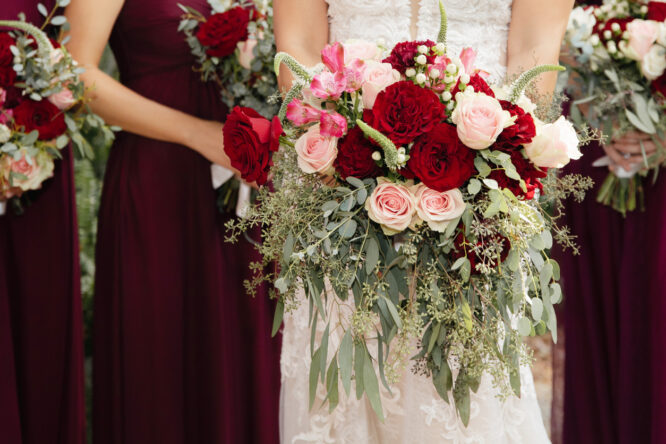
Between multi-day hen dos abroad, expensive dresses you’ll never wear again, and endless add-on costs for hair, makeup, and hotels, standing by a friend’s side on her big day has turned into a major financial commitment. Recent figures show that almost 1 in 4 women asked to take on the role have actually considered turning it down simply because they can’t afford it.
It’s an awkward spot to be in, balancing love for a friend or family member against the reality of monthly bills, but as wedding expectations keep rising, more people are deciding that going into debt for someone else’s nuptials is where they have to draw the line.
More women than ever are actually considering saying no to a bridesmaid offer.

A recent survey found that almost one in four women who’ve been a bridesmaid have considered turning down the role purely because of the cost involved. Among younger women specifically, those aged 25 to 34, that figure climbs even higher, with more than one in three saying they’ve weighed up declining for financial reasons.
These numbers reflect a broader change in how weddings are being experienced by guests and bridal parties alike, as the overall cost of taking part in someone else’s big day continues climbing well beyond what many people budget for.
Attending a wedding costs a lot of money, and not everyone can afford it.

Once travel, accommodation, gifts, outfits and pre-wedding events like hen parties are all factored in, the average cost of simply attending a wedding as a guest now sits at £316. For anyone in the bridal party specifically, that figure tends to climb considerably higher.
Nearly 60% of former bridesmaids said the role ended up costing more than they’d originally anticipated, with a third spending somewhere between £250 and £499 at their most recent wedding alone. That’s a huge financial commitment for a role that’s still widely treated as a simple favour between friends.
The extra costs actually come from places you wouldn’t even expect.

Beyond the headline figure, bridesmaids are often expected to contribute toward accessories, shoes, hair and makeup appointments, on top of travel and accommodation for both hen parties and the wedding itself. With many weddings now built around multiple separate events rather than a single day, these costs add up quickly and often catch people off guard.
Clothing makes up a particularly large chunk of the overall expense, with most bridesmaids surveyed saying they paid for their own dress. These typically range from £80 to £500 and are often chosen to match a very specific theme or colour palette, meaning bridesmaids frequently end up with a dress they’ll never wear again once the day is over.
Second-hand wedding wear is becoming the smarter option.

As more people look for ways to soften the financial impact of wedding season, second-hand clothing has become an increasingly popular route. Searches for bridesmaid dresses on resale platforms have risen 17% year-on-year, while searches for wedding guest dresses have jumped by a striking 47% over the same period.
This change ties into a wider move toward second-hand fashion more broadly, as people try to balance rising living costs with more sustainable shopping habits. For bridesmaids specifically, resale platforms also offer a practical way to recoup some of the money spent on a dress that’s realistically only ever going to be worn once.
Rising costs are reshaping wedding traditions across the board.
Weddings remain one of life’s biggest and most meaningful celebrations, but the rising cost of actually participating in one is pushing many people to reconsider long-standing traditions around what being a bridesmaid actually involves. For a growing number of women, saying yes to a friend or family member now comes with a financial calculation attached.
That doesn’t necessarily mean fewer people are willing to take on the role, but it does suggest brides and wedding parties may need to start thinking more carefully about cost when planning, whether that’s being more flexible on dress choices, spreading expenses more evenly, or simply being upfront earlier about what the role will actually cost everyone involved.