Avocados have long moved past being just a trendy brunch topping smashed onto sourdough toast.
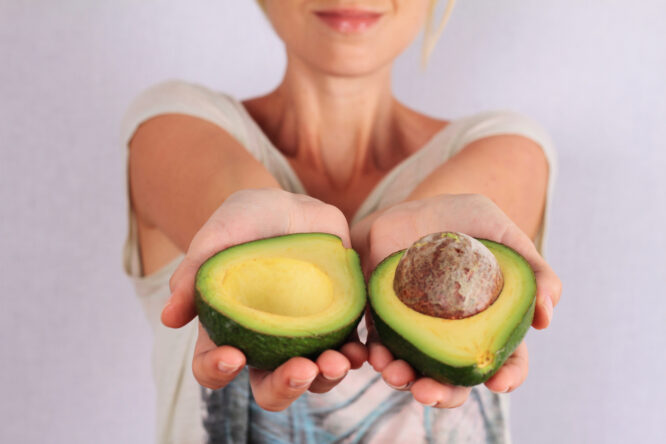
According to new research, adding one to your daily diet could give your heart health a real boost, helping to lower bad cholesterol levels without needing a complete lifestyle overhaul. While health advice often changes with whatever trend is popping up on social media, this study shows that a simple, realistic addition to your plate can do some heavy lifting. Here’s what the researchers found out, and why putting avocado on your shopping list is actually worth the money.
Avocados appear to have a positive impact on cardiac health.
Researchers followed nearly 800 adults over six months, splitting them into two groups. One group carried on eating as normal, while the other added a single avocado to their day without changing anything else about their diet or activity. By the end, the avocado eaters showed a noticeable drop in something called LDL particles, which are tiny proteins that carry cholesterol around your bloodstream.
Fewer of these particles floating around generally means a lower risk of heart disease, even if your overall cholesterol number stays roughly the same. The change researchers spotted worked out to somewhere around a 4% reduction in heart disease risk, which held true regardless of people’s age, gender, or background.
Particles matter more than the cholesterol number itself.
Most of us think about cholesterol as one single figure, but it’s really about how many delivery vans are driving that cholesterol through your arteries. The more of these particles there are, the more chances there are for cholesterol to get shoved into artery walls and start building up as plaque.
That plaque is what narrows and stiffens blood vessels over time, making it harder for blood to flow properly. So even without a big shift in your overall cholesterol reading, cutting down the number of particles carrying it around can lower your risk.
Don’t expect it to move the scales.
One thing it’s important to be upfront about: adding an avocado to your day didn’t lead to any weight loss or a smaller waistline in this study. If you’re hoping fruit alone will shrink your midsection, this isn’t that. What it does seem to do is quietly work on your heart health in the background, separate from anything to do with weight. That’s a useful distinction, since a lot of “healthy food” claims get muddled up with weight loss promises that don’t always hold up.
Avocados bring plenty of other positive things to the table.

Beyond the heart benefit, avocados come packed with potassium, which plays a role in keeping blood pressure in check. They’re also a solid source of fibre, which helps both digestion and that feeling of being properly full after a meal, so you’re less likely to go hunting for a snack an hour later.
Their fat content isn’t something to be wary of either. It actually helps your body absorb certain vitamins from other foods more effectively, including ones found in vegetables. Altogether, that combination helps calm inflammation in the body and supports overall heart and metabolic health.
How to actually eat more of it
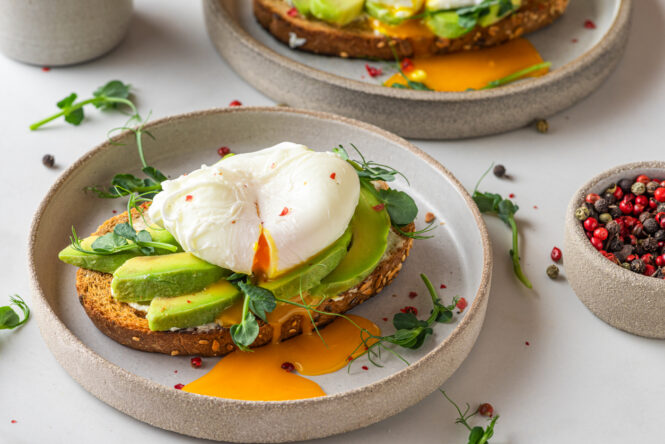
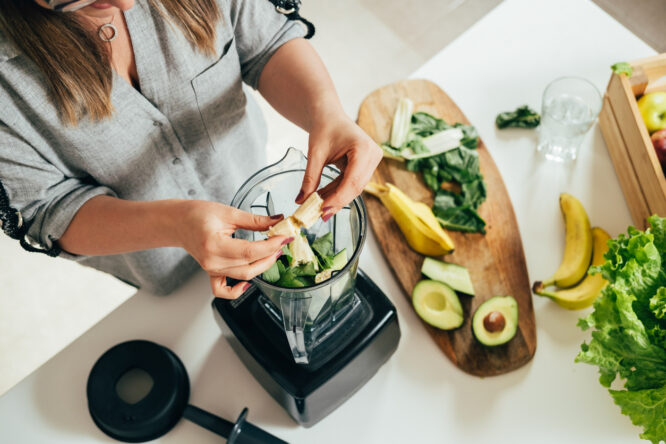
The easiest way to add avocado into your routine isn’t necessarily piling more food onto your plate, it’s swapping it in for something less useful. Mashed onto toast instead of butter, or layered into a sandwich instead of mayonnaise, does the job without adding extra effort to your day.
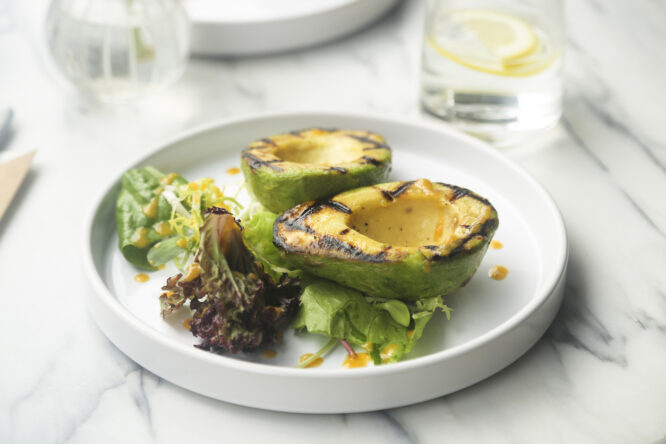
It works just as well sliced into salads, folded through a grain bowl, or used in tacos and wraps in place of cheese or a creamy dressing. Small swaps like these add up over weeks and months far more than people expect.
Keep it in perspective.
No single food is going to undo the effects of a poor diet overall, and avocado is no exception. It works best as one piece of a wider pattern of eating well, alongside things like regular movement and cutting back on processed food, rather than as a stand-alone fix.
Still, for something as simple as swapping your usual spread for a bit of mashed avocado, a reduction in heart disease risk is a solid trade. It’s a small habit that’s easy to keep up, which honestly matters more long term than a dramatic change you’ll abandon after a fortnight.