Menopause has finally become something people talk about openly, which is generally a good thing.
Unfortunately, that extra visibility has brought something else along with it too: a whole wave of products suddenly slapped with the word “menopause” and priced accordingly. If you’ve found yourself standing in a pharmacy aisle wondering whether you really need the fancy capsule with the pink label, you’re not imagining things. Here’s what’s actually worth your money, and what’s really just clever marketing dressed up as science.
A lot of menopause supplements are just multivitamins with a markup.
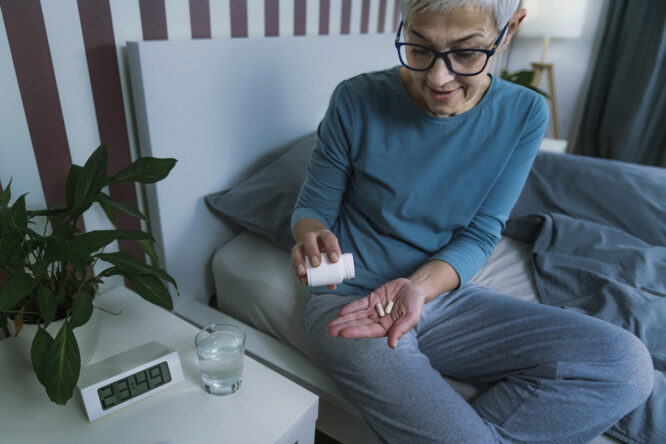
Flip over the packaging on a lot of these menopause-specific supplements, and you’ll often find a fairly ordinary multivitamin ingredient list underneath. Nothing special, nothing tailored, just the word menopause printed on the front and a price tag that’s crept up accordingly.
It’s essentially the same trick brands have pulled with razors and skincare for years, take an everyday product, add a word tied to women’s specific life stages, and suddenly, it costs twice as much. If you want a multivitamin, a good quality standard one does the same job for a fraction of the price. It’s far more useful to work out which specific nutrients you’re actually short on and buy accordingly, rather than paying extra for a label.
Expensive herbal blends rarely contain enough of anything to matter.
There’s no shortage of pricey herbal blends promising to ease hot flushes and night sweats, but the honest truth is most of them aren’t worth the money. Some individual herbal ingredients do have a bit of evidence behind them, but when you actually check the amounts included in these blended supplements, they’re often far too low to do much of anything.
If you’re keen to try the herbal route anyway, you’re much better off buying single ingredient supplements at doses that have actually been studied properly, rather than a scattergun blend with a little bit of everything and not enough of anything. Ingredients like black cohosh, St. John’s wort, sage, and isoflavones do have some limited evidence behind them for easing flushes, though it’s far from conclusive.
Even one of the more rigorous reviews looking specifically at black cohosh concluded the evidence simply isn’t convincing enough to fully recommend it. Remember that natural doesn’t automatically mean harmless either, herbal supplements can interact with prescription medication, so check with a doctor before adding anything new.
Menopause branded skincare is often just standard skincare with a new label.
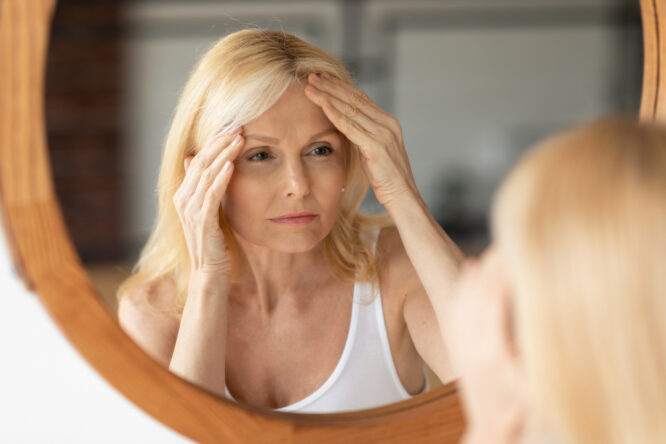
Yes, your skin does change as oestrogen drops, it can get drier and lose some of its natural elasticity. But the ingredients that actually help with that are exactly the same ones used in ordinary, non-branded skincare that’s been around for years.
Rather than reaching for something purely because it says menopause on the bottle, look for products containing ingredients like niacinamide, squalene, hyaluronic acid and peptides instead, and comparing prices against non-targeted alternatives doing the exact same job. Beyond the product itself, things like getting enough sleep and eating well also support your skin during this stage of life, sometimes more than any cream ever could.
High-tech gadgets aren’t always worth the hefty price tag.
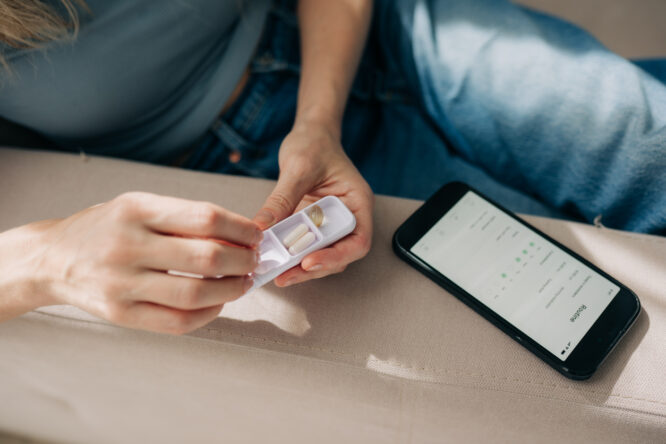
The menopause marketing boom has brought a flood of gadgets promising to solve hot flushes specifically, from wearable cooling bracelets costing around £300 through to all sorts of oddly shaped neck fans. Some of these devices, particularly the wearable cooling ones, do have studies behind them showing they can take the edge off a flush by shifting how your body perceives temperature.
Even so, you should pause before spending big on tech solutions like this. Getting the basics right first, both medically and through diet, tends to make a much bigger difference overall. And if you do want something simple to cool down with, a basic handheld or neck fan costing around £10 has been found to perform just as well as versions costing many times more, minus the menopause branded price tag attached.
There are a few useful nutrients that could make a difference.

While a standard multivitamin covers a lot of ground, it usually can’t fit in enough of certain minerals that matter more during this stage of life, calcium in particular, since it’s simply too bulky to fit into a normal daily pill at the doses required.
Calcium and vitamin D become especially important as oestrogen drops, since they help protect bone density at a time when your risk of osteoporosis increases. General guidance suggests around 700 mg of calcium daily for most adults, though many specialist NHS trusts recommend increasing that to around 1,200 mg for post-menopausal women specifically. Ideally, this comes from your diet first, with supplements only stepping in where that isn’t realistically achievable.
Iron matters, but only during a specific window.
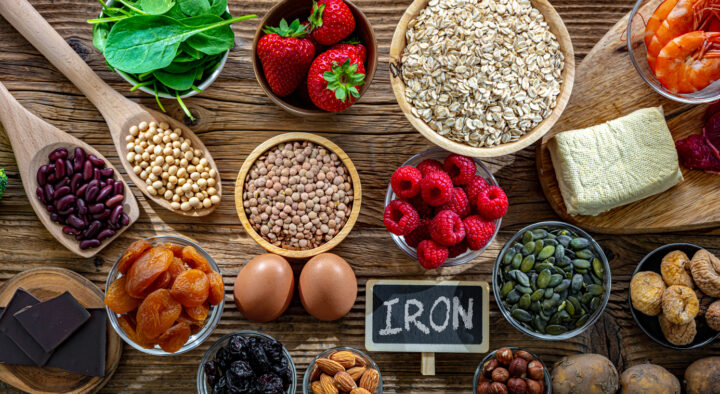
During perimenopause specifically, iron becomes important, largely because periods can become heavier during this transitional stage, increasing the risk of anaemia and low energy. Getting it through diet is always the preferred route, though some people, particularly those on more restricted diets, may need a bit of extra support.
Once you’re fully post-menopausal though, iron needs actually drop quite significantly, from around 14.8 mg a day down to just 8.7 mg once periods have stopped for good. This means continuing to take iron supplements after this point isn’t just unnecessary, it can carry a risk of iron overload unless a doctor has specifically identified a deficiency and recommended it.
Magnesium, zinc, and B vitamins can help, too.
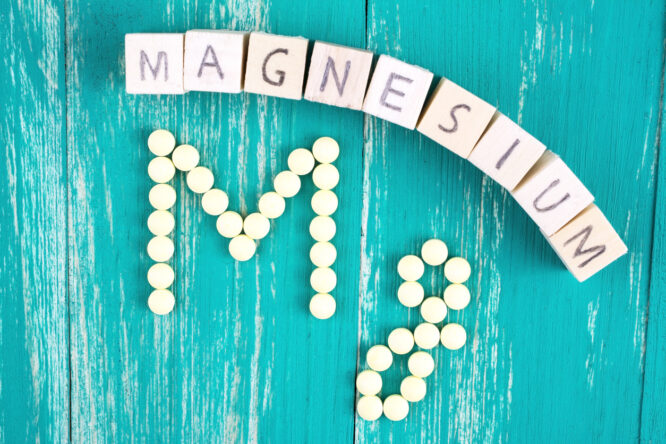
Both magnesium and zinc play a role in supporting better sleep, muscle recovery and general immune health, all of which can make a real difference when menopausal fatigue starts creeping in and everyday tasks start feeling like more of an uphill battle than usual.
There’s also some, though admittedly limited, evidence that B vitamins may help ease psychological symptoms during menopause, including low mood, anxiety, and general brain fog. Vitamin B2 specifically has started showing up in emerging research, too, with some early links to supporting skeletal health alongside its other benefits.
A food-first approach beats reaching for supplements.
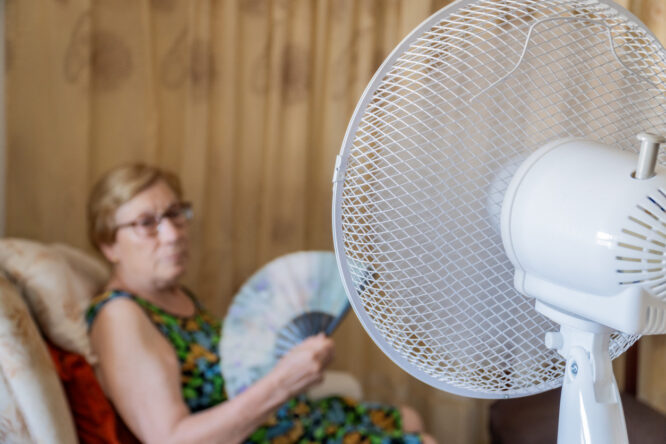
It’s understandable to want extra support wherever you can get it during this stage of life, but focusing on food first is generally the smarter, and considerably cheaper, place to start. As oestrogen levels naturally decline, the body tends to lose muscle mass and bone density more quickly, and adjusting what you eat can help offset some of that.
Protein becomes particularly important here, since you actually need more of it now than you did in your twenties to help minimise muscle loss, while also helping you feel fuller for longer, which can support healthy weight management too. General guidance suggests aiming for somewhere between 1.0 and 1.2 grams of protein per kilogram of body weight, which works out to roughly 60g to 85g a day for most women, depending on activity levels. Fibre matters just as much, playing a role in gut health, managing cholesterol, and helping the body regulate hormones more generally throughout this transition.
It’s always important to have a conversation with your doctor.

If your symptoms are seriously impacting your day-to-day life, book in with your GP to talk through what options are actually available to you, including Hormone Replacement Therapy. HRT isn’t the right fit for everyone, but it’s something that should be explored properly rather than ruling it out based on outdated scare stories that don’t reflect current medical understanding.
For most women, current guidance suggests the benefits of HRT outweigh the risks, and if menopause starts earlier than average, before the age of 45, it can offer an important protective effect too, beyond just symptom relief. Nobody should feel like they have to simply push through this alone. A proper conversation with your GP, combined with trustworthy resources like the Menopause Charity, can make a huge difference in feeling properly informed and supported through the whole process.