Age UK has spoken out against the term “bed blocker”, calling it offensive and warning it unfairly pushes blame onto older patients for a systemic problem that isn’t their fault.

The charity argues that people stuck in hospital long after they’re medically fit to leave are victims of a broken social care system, rather than the cause of NHS delays. Calling vulnerable people “bed blockers” masks the reality that many are simply waiting for basic care packages, home adaptations, or care home places to be arranged before they can safely return home. Here’s why Age UK is pushing back against the label, what they’re calling for instead, and the true scale of the crisis behind the terminology debate.
Age UK says the language itself causes real harm.

The charity has described “bed blocker” as a disgraceful, victim-blaming term, arguing it wrongly implies an older person is somehow at fault for remaining in a hospital bed once they’re medically fit to leave. In reality, delayed discharges are described as a classic system problem rather than anything caused by the patient themselves.
Age UK also raised concerns about other phrases used to describe the same situation, including “lobster pots” and “Hotel California”, both used to describe patients who are admitted but then unable to actually leave. The charity is pushing instead for the term “stranded patients”, arguing this puts the focus firmly on the system rather than the individual.
Poor coordination between services is often the real cause.

According to Age UK, the typical culprits behind delayed discharges include poor administration within hospitals, a lack of available social care, and a clunky handover process between the NHS and local councils. None of these issues have anything to do with the patient’s own actions or wishes.
The charity’s director explained that in most cases, older patients want nothing more than to leave hospital and return home. That only becomes possible once proper, joined up health and care support is actually in place within the community, something the charity says is frequently missing.
A new report reveals just how widespread the problem has become.

Age UK’s report, titled The Longest Wait to Leave, was published this week and lays out exactly how many hospital bed days are being lost to patients who are medically ready to leave but remain stuck. In 2025/26, more than half of all patients who could have been discharged on a typical day were still stuck in hospital instead.
This works out to more than 13,000 people remaining in hospital every single day despite being well enough to leave, the vast majority of them older patients. Since 2021, that figure has grown by almost 70 percent, showing a problem that’s been steadily worsening rather than improving.
The financial cost to the NHS runs into billions.

According to the report, 6.75 million hospital bed days were lost in 2025/26 alone due to discharge delays lasting seven days or longer. In June 2026 specifically, delayed discharges cost the NHS £229 million, contributing to a total cost of £2.66 billion across the full year.
Alongside this, waits of at least 12 hours in A&E for a hospital bed reached 50,000 in June, a new high for that particular month and a level more typically associated with the depths of winter rather than the middle of summer.
The charity says successive governments have failed to prioritise the issue.
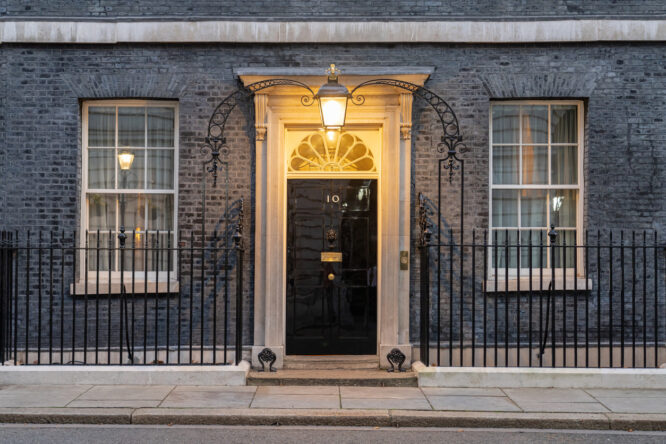
Age UK has accused a string of governments of taking their eye off the ball when it comes to tackling so-called corridor care, where patients end up being treated in hallways and other unsuitable spaces due to a lack of available beds. The criticism arrives at a politically significant moment, with social care expected to become a central focus under the new prime minister, who took office earlier this week promising to address the wider social care crisis directly.
The new prime minister has pledged action, and possibly higher taxes.

Shortly after taking office, the new prime minister described Westminster’s failure to properly address this issue as damning of his entire generation of politicians. He suggested that taxes could potentially rise in order to help fund a new national care service going forward.
He also that a conversation with the public was needed about how to actually pay for looking after the UK’s ageing population. One independent think tank has estimated that introducing an NHS-style system specifically for social care could cost an extra £18.7 billion a year by 2035.
Age UK believes the problem is solvable with the right focus.

The charity’s director reiterated that older people stuck in hospital are stranded patients, and dismissing delayed discharges as simple bed blocking distracts from what is a serious policy and practice problem within the NHS. She expressed confidence that with proper political will and sustained attention, the issue can realistically be tackled and eventually solved.
She added that solving this problem would make a real difference to older people’s lives, many of whom otherwise face miserable days and weeks stuck in hospital, when leaving would actually be safer, healthier, and happier for them overall.
The government insists the issue remains a priority.

A spokesperson for the Department of Health and Social Care pushed back on any suggestion that the government has lost focus on delayed discharges, describing efforts to tackle the issue as essential for improving patient care, easing pressure on NHS staff, and freeing up much-needed hospital capacity.
The spokesperson pointed to NHS England’s recently published model discharge pathway, which sets out best practice guidance for getting patients home or into appropriate care as quickly and safely as possible. They added that fixing social care remains urgent, and that delayed discharge needs to be part of any wider conversation about building a care system that meets the needs of patients, families, and the public.