Thousands of households across England were left without water supply overnight as the latest heatwave put serious strain on the network.
Thames Water confirmed a series of disruptions affecting 17 postcodes across London and the Home Counties, striking right as temperatures climbed into the mid-30s. With another stretch of hot weather still ahead, here’s exactly which areas were hit, what caused it, and what households can do to help ease the pressure.
Another heatwave, another strain on supplies.
This marks the third heatwave of the summer so far, and it’s already causing real problems for water networks across the south of England. Temperatures are expected to climb as high as 36C in parts of the UK this week, with the Met Office issuing amber health alerts for the Midlands and southern England running through to 9 p.m. on Sunday.
With many households already facing uncomfortably warm nights, sitting around 24C even after dark in parts of the south, the added disruption to water supplies has made an already tough few days considerably harder for those affected.
What happened in east London
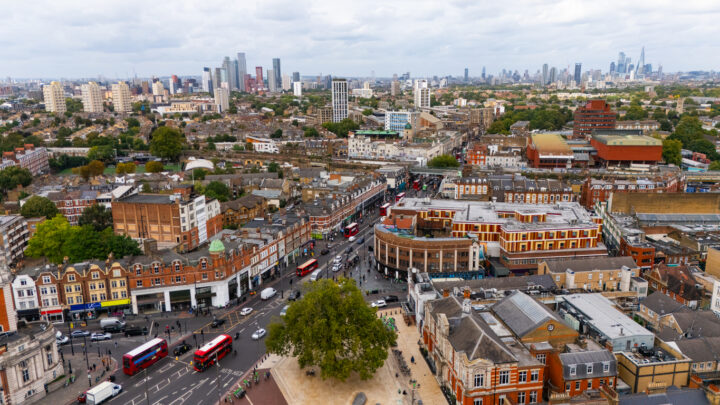
A number of postcodes in east London were hit by a water outage overnight on 8 July. Thames Water confirmed the issue in a statement, explaining that a specialist team had been sent out to investigate the cause and get the water flowing again as quickly as possible. The problem has since been resolved in every affected postcode except one, with the E9 area still working through ongoing issues as of the latest update.
A separate burst pipe caused chaos in north west London.
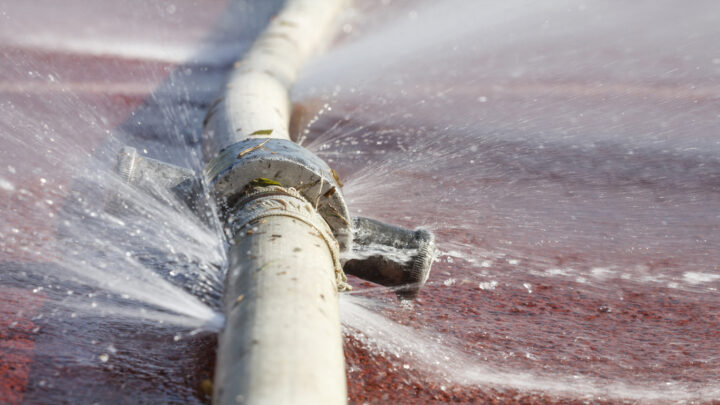
A second, entirely separate issue hit a number of postcodes in north west London, caused by a burst water main in the area. This left affected households dealing with noticeably low water pressure through the night. Thames Water confirmed its teams worked through the night to isolate the leak and carry out repairs, and by the following morning, the pipe had been fixed and supplies were reported as back to normal.
What to do if your water still isn’t working properly

For anyone living in a block of flats who’s still experiencing problems, Thames Water has advised getting in touch with the building’s managing agent, who may need to come out and reset the internal pumps serving the building.
You should also know that when water does come back on after a disruption like this, it can sometimes look a bit discoloured at first, appearing rusty, white or slightly milky. Thames Water has confirmed this is a normal part of supplies returning to normal and nothing to be alarmed about.
The Home Counties were hit hard too.
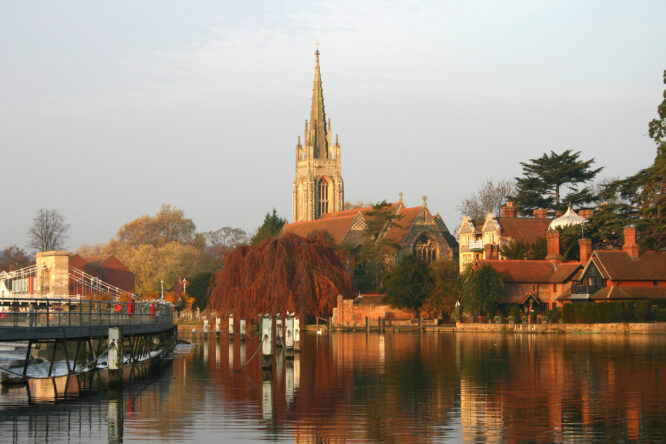
It wasn’t just London affected. A number of homes across Oxfordshire and Buckinghamshire were also left without running water despite the sweltering conditions, with Thames Water apologising directly to those experiencing issues.
The company explained that exceptionally high demand during the hot weather has been putting real pressure on the network, meaning some customers may experience low water pressure or a temporary loss of supply altogether while things are brought back under control.
The full list of postcodes affected
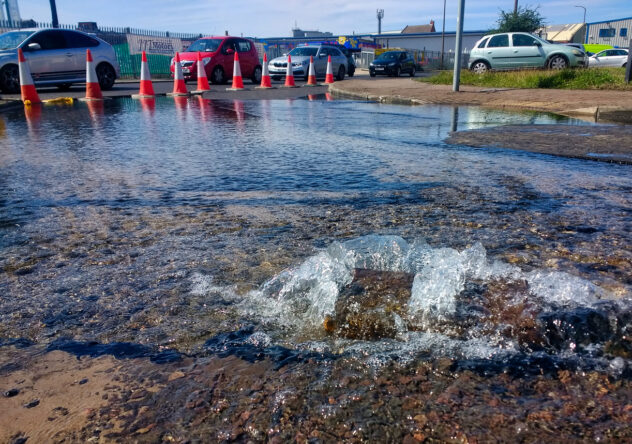
London:
E1
E2
E3
E9
E16
NW11
Buckinghamshire:
HP17
HP18
HP22
MK18
Oxfordshire:
OX3
OX5
OX9
OX25
OX26
OX27
OX33
Why the network is struggling to keep up
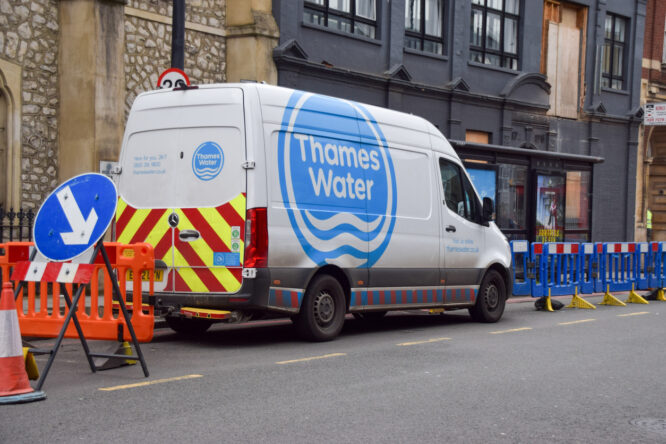
Thames Water has explained that demand for water rises sharply during hot weather, and with some reservoirs still in the process of recovering, the network is having to work especially hard to keep supplies steady. Teams are working around the clock to move water across the network, fix leaks, and rebuild storage levels wherever they can.
Residents in affected areas may notice water tankers operating nearby as part of this effort, helping move extra supplies to wherever they’re needed most. While the network overall remains stable, Thames Water has warned that some customers may still experience brief spells of low pressure during the busiest periods of the day.
This isn’t the first time this summer.
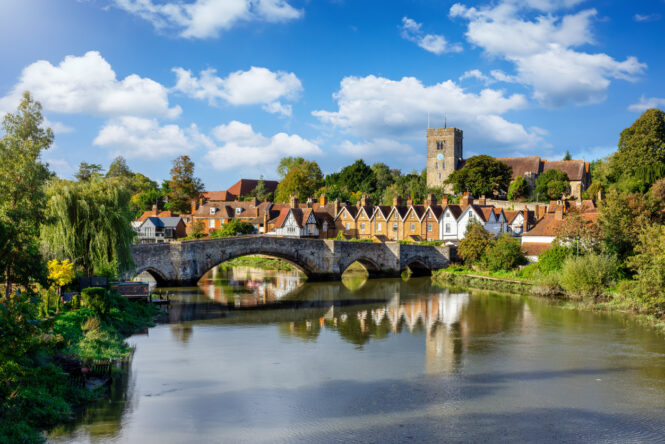
This latest disruption follows a pattern that’s already played out elsewhere this year. Back in May, residents across three villages in Kent were left entirely without running water for three full days, showing just how serious these outages can become when conditions align badly.
With further hot weather forecast over the coming days, households in affected areas are being encouraged to stay prepared for the possibility of further disruption, particularly during the hottest parts of each day when demand tends to peak hardest.
Simple ways to ease the pressure on supplies

Thames Water has asked households to make a few small changes to help reduce unnecessary strain on the network during this period of extreme heat. Avoiding hoses and sprinklers where possible makes a real difference, as does delaying car washing until demand eases off.
Other simple steps include avoiding filling up paddling pools unless genuinely necessary, watering plants with a watering can rather than a hose, and getting into the habit of turning taps off whenever they’re not actively in use. None of these changes take much effort, but together they can help ease pressure on a network that’s already working flat out to keep up with demand.