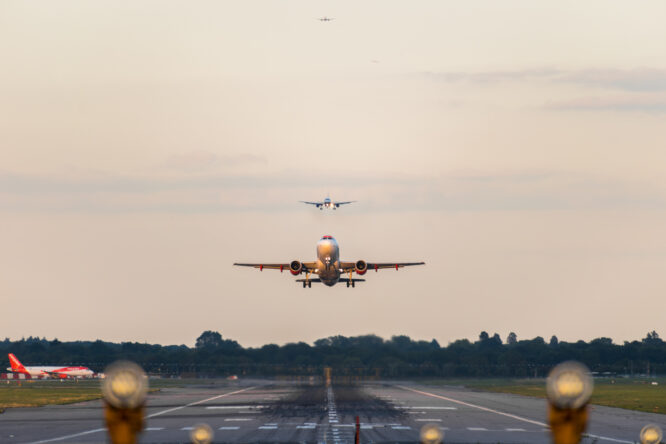
If you’re flying to Europe this summer, there’s something worth knowing before you go.
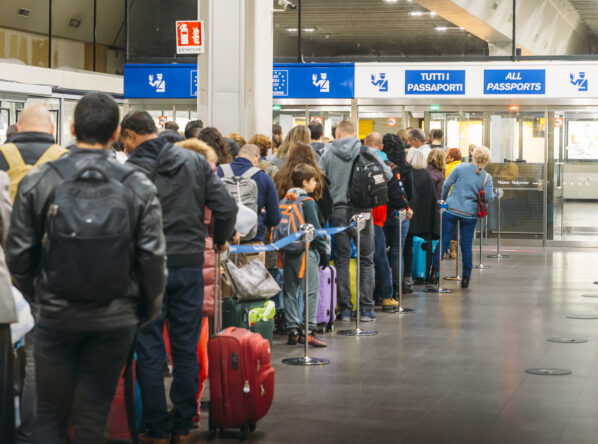
New border control checks called EES, short for Entry/Exit System, have been rolling out since April, and they’re already causing serious queues at several popular holiday airports. Some passengers have reportedly been waiting up to five hours, and there have been missed flights and planes taking off with empty seats because people didn’t make it through the border in time.
The system requires most non-EU travellers, including British holidaymakers, to register biometric information like fingerprints and facial images when they first enter or leave the Schengen area. It replaces the old passport stamp with digital checks, which sounds efficient in theory. In practice, it’s proving considerably slower, especially now that the summer rush is definitely underway. Airlines are already calling for it to be suspended at the worst-affected airports, which tells you something about how bad it’s getting on the ground.
Tenerife South
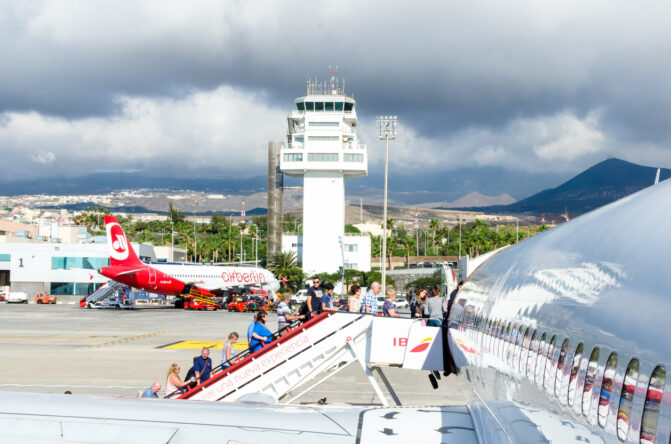
Tenerife South is one of the busiest airports in Spain and handles a huge volume of UK tourists year round. It’s already been flagged as one of the worst affected by the new checks, which isn’t great news given how popular it is as a destination. If you’re heading there, the queue situation at border control is worth taking seriously rather than assuming it’ll be fine.
The airport isn’t small, and it’s used to high passenger volumes, but the EES checks are adding a layer of processing that the existing infrastructure clearly wasn’t designed for. Building in considerably more time before your return flight is the most practical thing you can do right now.
Palma
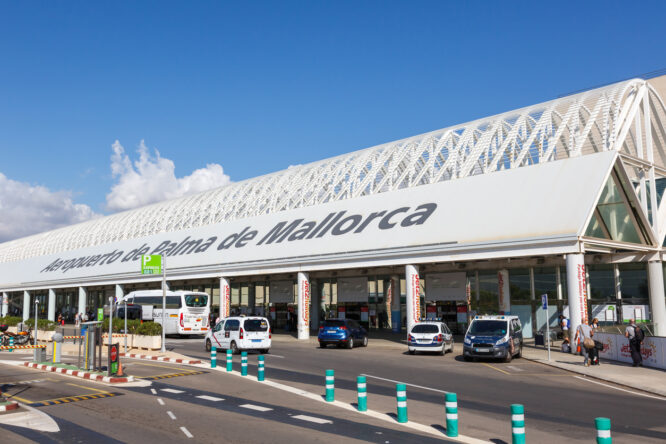
Palma in Mallorca is another one on the list, and again it’s an airport that sees enormous numbers of British travellers every summer. Reports of missed flights and queues stretching well beyond what anyone planned for are already coming in from passengers who’ve passed through recently.
Ryanair specifically named Palma as one of the most exposed airports, which isn’t a surprise given the volume of flights it operates there. If Palma is your destination or return airport this summer, factor in extra time and check for any updated guidance from your airline before you travel.
Alicante
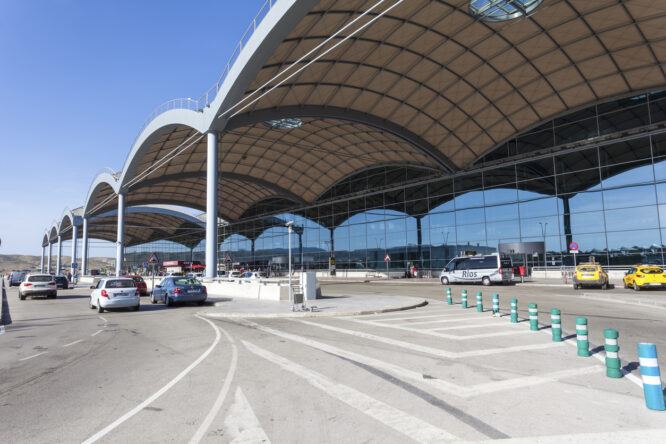
Alicante is enormously popular with British holidaymakers and retirees, and it’s right in the middle of the disruption. The combination of high passenger numbers and a border system that’s still clearly finding its feet is causing real problems for people trying to catch return flights.
The airport has been handling summer crowds for decades, but the EES process adds something new to the mix that the existing setup isn’t managing well. If you’re flying home from Alicante between now and September, it genuinely might be worth arriving earlier than you’d normally bother with.
Málaga
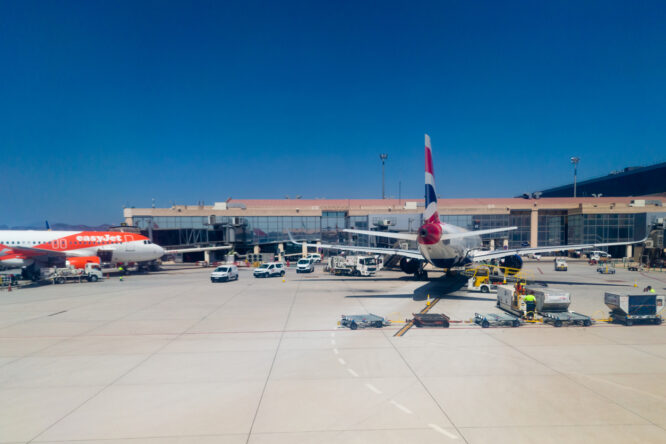
Málaga rounds out the Spanish airports on the list and is one of the main gateways to the Costa del Sol. It’s busy at the best of times in summer, and the additional processing time the EES checks require is creating a bottleneck that’s difficult to manage at peak hours.
The worry here is that things are likely to get worse before they get better. Airlines are warning that further congestion is expected as the school holidays hit full swing from mid-July. Málaga is exactly the kind of airport that will feel that pressure, so if you’re travelling through it soon, go in prepared for delays.
Milan Bergamo
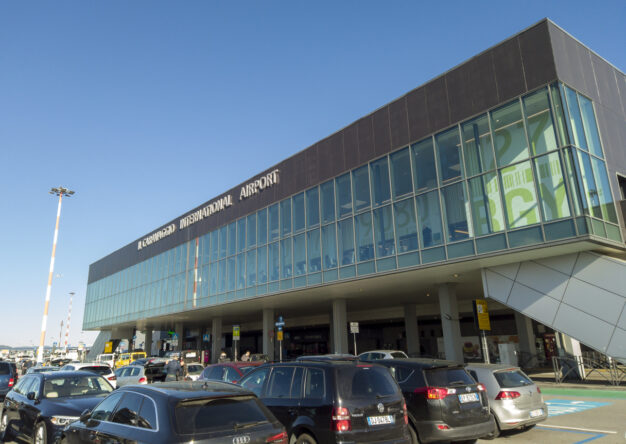
Milan Bergamo is one of the main budget airline hubs for northern Italy and handles a lot of traffic from across Europe. It’s made the list of worst-affected airports despite being less of a traditional British beach holiday destination, which suggests the EES issues aren’t just limited to the Spanish costas.
If you’re heading to Italy this summer and flying through Bergamo, the same advice applies. Check with your airline, allow more time than usual, and don’t assume that because it’s not a classic package holiday airport it’ll be any easier to get through.
Krakow
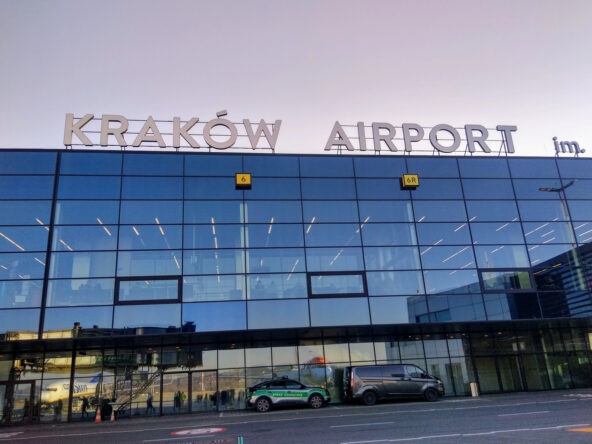
Krakow has grown a lot as a destination over the last decade and is popular for city breaks and stag weekends. It’s perhaps the most surprising name on this list, but it’s there, and it suggests the EES disruption is spreading across a wider range of European destinations than just the obvious summer sun spots.
Poland is part of the Schengen area, which means the EES checks apply here just as they do everywhere else. If Krakow is on your travel plans this summer, keep an eye on updates from the airport and your airline as the season progresses.
Paris Beauvais
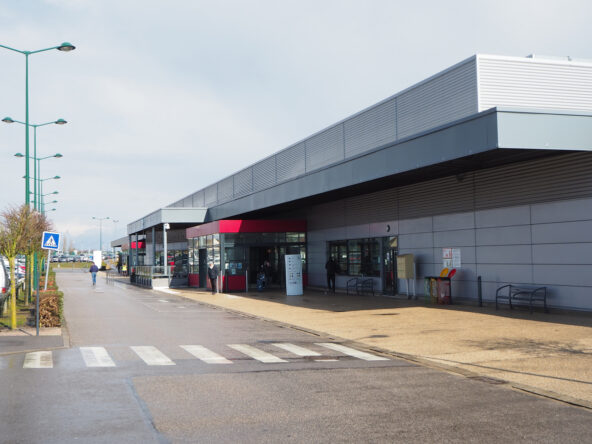
Paris Beauvais is the airport that budget carriers use for Paris, and it’s already dealing with the kind of congestion you’d expect from a smaller airport trying to process large numbers of passengers through new biometric checks. It’s not the most straightforward airport to get to or from Paris at the best of times, and adding lengthy border queues into that makes it more stressful.
Worth knowing that Beauvais is quite a distance from central Paris, so if you miss a flight or face major delays, getting back to the city and sorting out alternatives isn’t as simple as it would be at Charles de Gaulle. Factor that into your planning if this is your airport.
What to actually do before you fly

The most useful thing right now is to check in with your airline before you travel, since some are already issuing updated guidance for passengers at these airports. The situation is moving quickly and advice that was accurate a week ago might already be out of date. Most airlines are updating their websites and app notifications as things develop.
Beyond that, giving yourself more time than you think you need at the airport is really the main thing. Two hours before a flight felt generous before EES. Right now at some of these airports it might not be. If you’re travelling with children, elderly relatives, or anyone who finds airports genuinely stressful, planning around the possibility of a long queue rather than hoping for the best is the sensible approach. Nobody wants to be sprinting through an airport wondering if they’re going to make it.