There’s no shortage of social media trends out there, but a few of them are actually worthwhile.

If you’ve been scrolling social media lately and noticed people making handmade pasta, tending herb gardens, and swapping their phones for slow evening walks, you’ve probably stumbled across “nonnamaxxing.” The trend encourages people to ditch the high-tech chaos of modern life and live a bit more like a traditional Italian grandmother, or nonna.
It’s a deliberate move away from the usual fast-paced wellness crazes, focusing instead on slowing right down, cooking from scratch, and prioritising face-to-face community time. And, as it turns out, this old-school lifestyle has some genuinely impressive health benefits behind it, with science backing up the perks of eating whole foods and lowering your daily stress levels. Here’s everything you need to know about why channel-hopping your inner Italian gran might be the best thing you do for your health this year.
So, what does it actually involve?

Nonnamaxxing is about adopting the daily habits of an older Italian woman. That means cooking from scratch, going for unhurried walks, eating long meals with people you love, gardening and spending far less time on screens. It sounds straightforward because it is, and that simplicity is the whole point.
The word nonna is Italian for grandmother, and the idea is that older Italian women have quietly been living one of the healthiest lifestyles on the planet without calling it anything at all. Now the rest of the world is catching on and giving it a name.
People are really drawn to this right now.
Most people are exhausted. Long working hours, constant notifications and very little proper rest have become normal, even though they’re taking a real toll. The nonna lifestyle offers a different way, one built around presence, community and doing things slowly on purpose.
It’s got nothing to do with adding more to your to-do list. It’s more about stepping off the treadmill entirely and remembering that a long lunch with people you love or a relaxed walk to the shops can be genuinely good for you.
The science backs it up.

Researchers have spent years studying so-called Blue Zones, regions of the world where people consistently live longer and stay healthier well into old age. The Italian island of Sardinia is one of the most famous examples, with one of the highest numbers of people aged 100 or over anywhere on Earth. What they all have in common is movement built into daily life, home-cooked food, strong social bonds and an unhurried approach to time.
Studies consistently link this kind of lifestyle to lower rates of chronic illness, better brain function later in life and a genuine sense of wellbeing. The nonna, it turns out, has been doing it right all along.
What it does to your brain is pretty impressive.
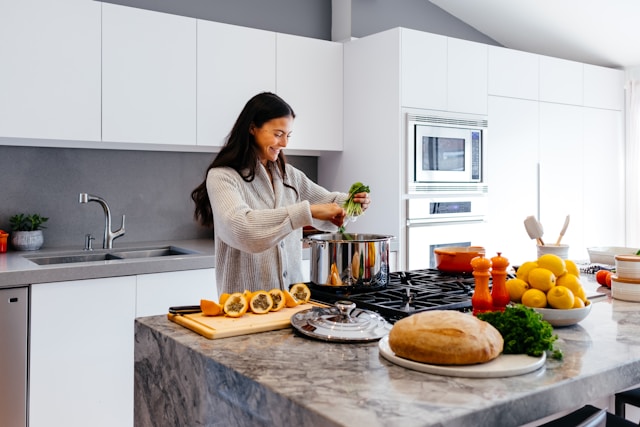
When you focus on something hands-on, like chopping vegetables, kneading dough or potting plants, your brain enters what’s known as a flow state. You stop worrying about the future or going over the past, and your mind just settles into what’s in front of you. That kind of focus is harder to find than it sounds in everyday life.
Activities like cooking and gardening also trigger the brain’s reward system, releasing dopamine in a way that feels good without needing a screen to deliver it. They’re just interesting enough to keep you engaged, but not so difficult that they stress you out.
The social side matters just as much.
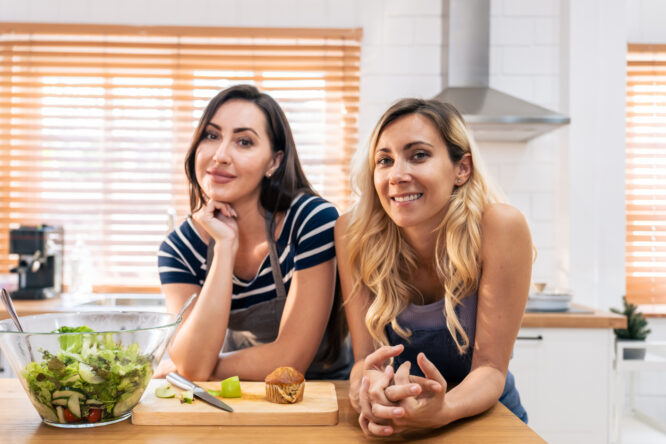
Sharing a meal with people you care about, having a long conversation over coffee, or simply sitting outside with a neighbour does something that no supplement or fitness tracker can replicate. It builds real connection, and that connection is one of the strongest predictors of how well and how long you’ll live.
Loneliness and isolation are linked to serious health problems, so the nonna habit of staying embedded in a community isn’t just nice, it’s genuinely protective. Long meals with no phones on the table aren’t a luxury, they’re medicine.
There’s a trap people fall into with trends like this.
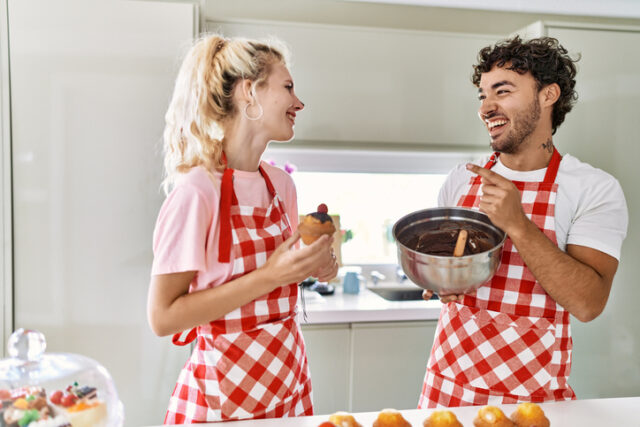
The biggest mistake is turning nonnamaxxing into another thing to perform on social media. Posting your homemade pasta and your herb garden for likes is the opposite of what makes this work. A real nonna isn’t documenting her life, she’s just living it.
The same goes for being too rigid about it. If you’re trying to hold down a full-time job and also cook elaborate three-course dinners every night from scratch, you’ll burn out fast. The goal is to slow down, not to swap one source of pressure for another.
You don’t need to move to Tuscany to try it.
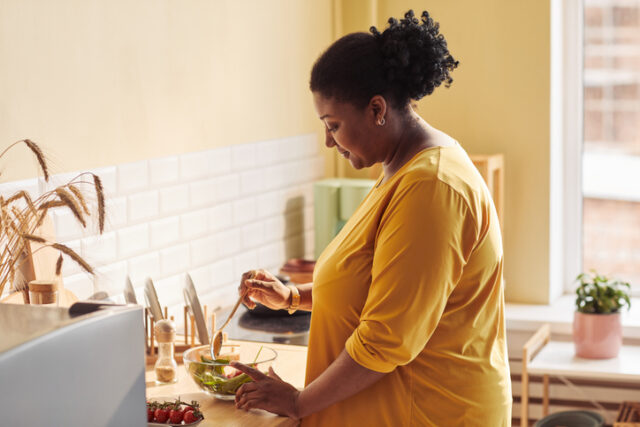
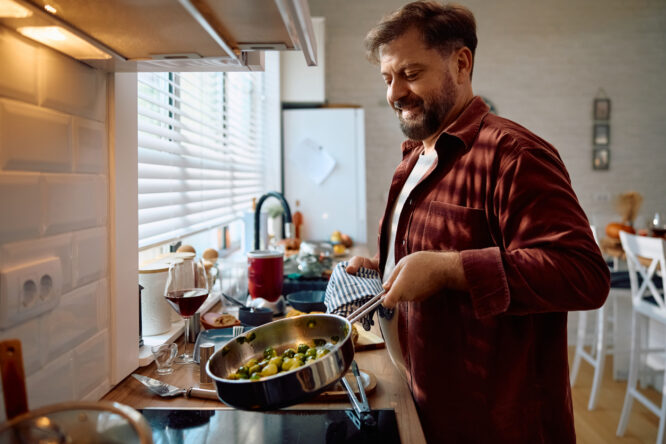
Start small. Cook one meal a week without your phone nearby and eat it sitting down. Walk somewhere you’d normally get a bus. Spend ten minutes outside doing nothing in particular. Buy vegetables from a market and take your time choosing them. None of this is complicated, and none of it costs much.
If sitting still feels uncomfortable at first, that’s completely normal. A body that’s used to being constantly busy will take a little time to adjust to a slower pace. Give it a few weeks, and it starts to feel natural rather than strange.
One Italian phrase in particular explains it all.
There’s an Italian expression, dolce far niente, which translates roughly as the sweetness of doing nothing. There’s no real English equivalent, which says a lot about how differently we’ve been taught to think about time and rest. In Italy, an unhurried afternoon isn’t wasted, it’s valued.
There’s also piano, piano, meaning slowly, slowly, a phrase that comes up often in everyday Italian life. Slowness there isn’t seen as laziness, it’s seen as wisdom. Borrowing a little of that attitude, even in a small way, is really what nonnamaxxing is about.