Most people who care about living sustainably at home don’t automatically apply the same thinking to their holidays, and that’s understandable.

Travelling is one of life’s genuinely good things, and the last thing anyone wants is to spend a trip feeling guilty about it. However, the impact of tourism on both the environment and the communities we visit is real, and the encouraging part is that making a meaningful difference doesn’t require radical changes. A handful of small, consistent habits across the planning and travelling process adds up to something genuinely worthwhile.
No one is asking for perfection, of course. Flying somewhere isn’t automatically a moral failure, and sustainable travel doesn’t mean staying home. It means being a bit more thoughtful about where your money goes, how you move around, and how you engage with the places you visit. Here’s where to start.
How you get there matters more than almost anything else.

Aviation accounts for around 2.5 percent of global carbon emissions, and take-offs and landings are the most intensive part of any flight. Where flying is unavoidable, choosing a direct route rather than one with connections makes a real difference, since each additional take-off adds a disproportionate spike in emissions. Some airlines are investing in more fuel-efficient aircraft and biofuels, which is progress, but switching to trains and coaches where the route allows it is a far more impactful change than any improvement within aviation itself.
Overland travel also tends to be a better experience than it gets credit for. Train journeys through Europe in particular offer scenery, space, and a pace that flying simply can’t match, and the journey itself becomes part of the trip rather than something to be endured. For shorter distances within a destination, walking and cycling are worth building into the plan wherever the terrain and infrastructure allow it, with many European cities actively designed to make both genuinely enjoyable.
Where you stay and whether it’s actually as green as it claims are big considerations.

The word “eco” on a hotel website costs nothing to put there, and genuinely sustainable accommodation tends to be distinguished by specifics rather than vague claims. Hotels worth booking are the ones that can tell you clearly whether they run on renewable energy, how they manage food waste, whether they source ingredients locally, and how they invest in the surrounding community. If the website is vague, it’s important to ask directly before booking, since reputable operators are generally happy to talk through their practices in detail.
Staying in locally owned guesthouses, B&Bs, and family-run hotels also keeps more of your money in the community actually hosting you, rather than routing it through a large chain whose profits leave the area entirely. The same logic applies to restaurants, markets, and shops throughout the trip. The businesses most directly affected by tourism are the small, independent ones, and they’re also usually the ones that give you a more interesting and authentic experience in return.
Local guides make for a better trip and support the right people.

Booking tours with local guides rather than large international operators is one of the more straightforward ways to ensure your spending benefits the destination directly. Local guides bring knowledge that no guidebook quite replicates, covering not just history and landmarks but the evolving culture, the neighbourhood dynamics, and the places that actual residents eat and drink rather than the ones that have been optimised for passing tourists.
Cultural awareness is part of this too. Taking a bit of time before you travel to understand the history, customs, and any major events happening during your stay prevents the kind of inadvertent disrespect that leaves both parties feeling awkward. Dressing appropriately for religious sites, being aware of local observances like Ramadan in parts of Malaysia, Indonesia, and the Middle East, and approaching unfamiliar customs with genuine curiosity rather than mild bewilderment all make the experience better for everyone involved.
Eating locally is one of the most enjoyable sustainable choices you can make.

Eating local, seasonal food supports small businesses, reduces the environmental cost of importing produce, and is usually a much better meal than the international menu options hotels and tourist-facing restaurants tend to default to. Farmers’ markets, farm-to-table restaurants, and places that source seafood from small-scale fishing operations are all great, and the experience of eating something genuinely regional and unfamiliar tends to be one of the things people remember most from a trip.
Putting your money into the food ecosystem of the place you’re visiting is a direct form of economic support for local producers and the communities around them. It’s also just more interesting. Most destinations have a food culture that’s rewarding to engage with properly rather than retreating to familiar chains, and the best discoveries tend to happen when you follow where the locals are actually eating rather than where the tourist infrastructure points you.
What you pack makes a difference too.

Switch to reef-safe sunscreen if you’re spending time in or near the ocean. Ingredients like oxybenzone and octinoxate, found in many standard sun creams, are harmful to marine ecosystems, and the alternatives work just as well without the environmental cost. Taking reusable containers for shampoo, conditioner and other toiletries from home also removes the need to rely on the single-use plastic miniatures that accumulate in hotel bathrooms and landfills in enormous quantities.
On the clothing side, resisting the urge to buy a new wardrobe for a trip is one of the simplest sustainable choices available. Fast fashion carries a huge environmental cost, with the majority of clothes produced worldwide ending up as waste. Packing what you already own, or buying secondhand if something specific is genuinely needed, sidesteps that impact. If you do end up with clothes you won’t wear again, passing them on to a charity or clothes bank keeps them in use rather than in a bin.
Wildlife experiences are vital to do carefully or not at all.

Wildlife tourism done well is one of the more extraordinary things travel can offer. Done badly, it contributes directly to the harm and exploitation of the animals that made the experience appealing in the first place. The distinction usually comes down to who’s organising it and what their actual practices are. The decent operators are the ones who can explain their wildlife safety methods clearly, employ trained guides who understand animal behaviour, and don’t pressure drivers to get closer to animals than is appropriate for their welfare.
You should also be sceptical of any wildlife experience that involves direct handling of wild animals, performances, or conditions that clearly prioritise the visitor’s entertainment over the animal’s wellbeing. The best wildlife encounters are observational, led by people who genuinely know what they’re looking at, and structured around the animals’ natural behaviour rather than manufactured proximity. Supporting operators who work that way helps preserve both the animals and the quality of the experience for future visitors.
Be selective about souvenirs, as tempting as they are.
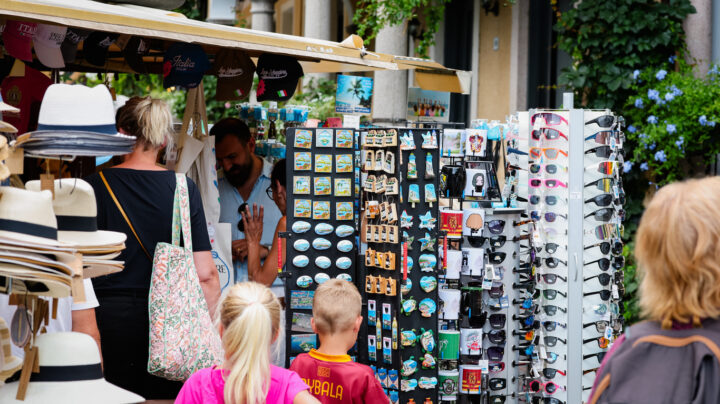
Tourist markets are full of items that look local and handmade but are often produced in bulk elsewhere under poor conditions. Buying from artisan markets where you can see the work being made and pay the maker directly is a better use of that money, produces a more genuinely meaningful souvenir, and supports the kind of craft tradition that makes a place culturally distinct in the first place. It’s usually more interesting than the mass-produced alternative too.
One firm rule that should be applied everywhere: don’t buy products made from animals or animal parts, regardless of how they’re presented or how important they’re claimed to be to local culture. The demand created by tourist purchases directly sustains industries that cause serious harm, and no souvenir is worth that. The same goes for coral, shells taken from protected areas, and any product where the origin or impact is unclear. If you’re not sure, the safest answer is to leave it.