Antibiotic resistance is already one of the most serious health problems on the planet.
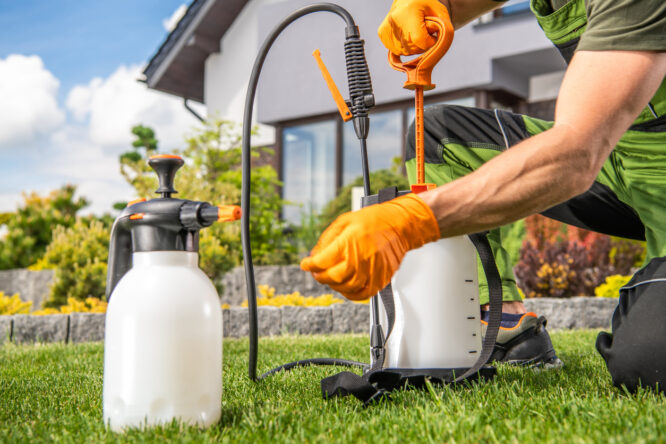
It kills over a million people every single year and threatening to plunge modern medicine back into the dark ages. There’s a global effort to stop doctors from over-prescribing medications and to get patients to finish their courses, but fresh research suggests a huge part of the problem might be coming from an entirely unexpected place. It’s not happening inside hospital wards or medicine cabinets, but out in the open on farms, directly linked to the common weedkiller being sprayed over crops.
This revelation changes how we look at environmental health, as everyday agricultural chemicals could be actively helping bacteria evolve into unstoppable superbugs. Unpacking how a simple farming tool is messing with our ability to fight off deadly infections is as terrifying as it’s eye-opening.
What scientists found is legitimately scary.

Researchers discovered that the most dangerous bacteria found in hospitals, the kind that don’t respond to antibiotics anymore, are also able to survive exposure to glyphosate, one of the most widely used weedkillers in the world. Nobody had looked closely at this connection before, and the results raised some serious questions about how these bacteria are spreading.
The study looked at over a hundred different bacteria collected from three very different places: hospitals, farms, and a protected nature reserve. Finding the same pattern of resistance across all three locations is what made the findings so concerning.
What is glyphosate?

Glyphosate is a chemical used to kill weeds, and it’s been sprayed on farmland, gardens, and roadsides since the 1970s. It’s one of the most commonly used agricultural chemicals in the world, and most people will have come across products containing it without realising.
Some versions sold in garden centres have been reformulated to remove glyphosate in recent years, but the professional and agricultural versions used on large farms still contain it in large quantities. That means millions of acres of land are regularly treated with this chemical as part of everyday food production.
The study was detailed and in-depth.
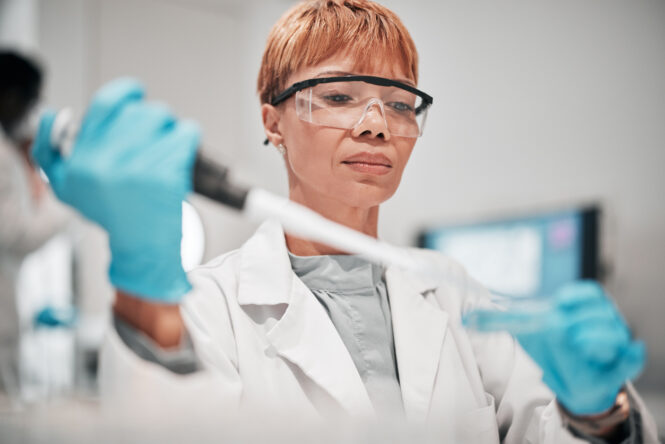
Scientists collected bacteria from three places: a protected wetland nature reserve in Argentina where no weedkiller had ever been used, local hospitals, and nearby farms where glyphosate was applied regularly. Each group of bacteria was then tested to see how well it could survive both antibiotics and weedkiller.
The results from all three groups were compared to see whether any patterns showed up between the bacteria’s ability to resist antibiotics and its ability to resist weedkiller.
The hospital bacteria showed a frightening reality.
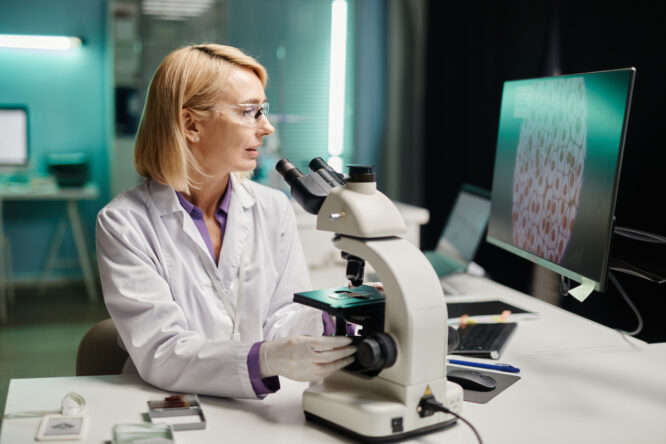
The bacteria collected from hospitals were already resistant to a wide range of antibiotics, which is exactly what makes them so dangerous. What surprised researchers was that every single hospital strain was also highly resistant to glyphosate, even though weedkiller and antibiotics are totally different types of chemical.
This matters because it suggests bacteria that learn to survive in one harsh chemical environment may become better at surviving in others, too. A bug that can shrug off a weedkiller may also be better equipped to shrug off the medicines doctors rely on to treat serious infections.
The nature reserve finding was the most alarming.

The most unexpected part of the research came from the protected nature reserve, a place where glyphosate had never been applied. Every single bacteria sample collected there still showed some resistance to the weedkiller, despite never having been directly exposed to it.
This tells scientists that resistant bacteria are already travelling freely through the environment, most likely carried along by water. If they can reach a protected nature reserve with no history of chemical use, they’re almost certainly moving through rivers, soil, and groundwater in ways that are very hard to monitor or stop.
Bacteria can move between farms, hospitals, and wild places.

When researchers looked at the DNA of all the bacteria in the study, they found that the most resistant ones were closely related to each other, regardless of whether they came from a hospital, a farm, or the nature reserve. The same bacterial families were turning up in all three places.
Water is thought to be the main way this happens. Bacteria from hospitals can get into rivers and streams through wastewater, then travel into farmland where weedkiller creates conditions that favour the toughest, most resistant strains. Those strains can then spread even further, reaching places where neither antibiotics nor herbicides have ever been used directly.
This has impacts far beyond farming.

Glyphosate has already been under scrutiny for other reasons. Research has shown it can harm bees, and it is classified as a probable cancer-causing substance by a major international health agency. Several European countries have already restricted how it can be used, with some banning it for home gardening entirely.
The researchers behind this study are calling for weedkillers and other pesticides to be tested for their potential to encourage antibiotic resistance before they’re allowed on the market. They also want warning labels that make clear these chemicals can play a role in spreading resistant bacteria through water into places far from where the weedkiller was originally applied.