One thing’s for sure—Britain’s roads are full of drivers who aren’t exactly following the rules.
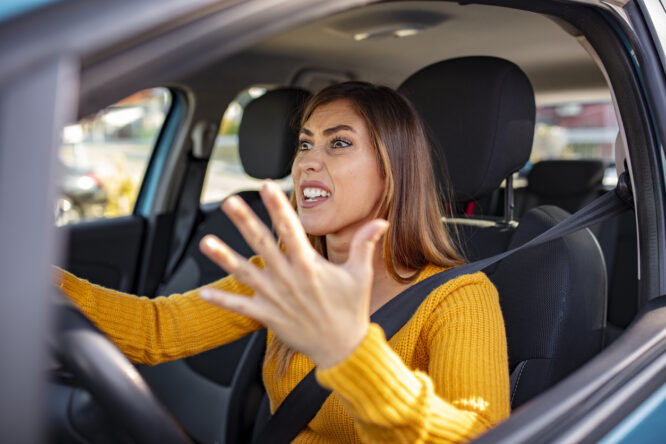
Plenty of drivers admit to losing patience on the motorway, and new research shows just how many are willing to break the law because of it. A study has revealed that more than a quarter of British drivers have reacted illegally when stuck behind someone hogging the middle lane, with frustration regularly tipping over into genuinely risky driving.
Sitting in the wrong lane ruins the flow of traffic, forces people into dangerous undertakings, and can quickly escalate into full-blown road rage. If you’re guilty of staying put because it feels safer or easier than moving back over to the left, you’re putting yourself in the firing line for severe penalties. From points on your licence to massive legal fines, failing to move over when the road is clear can turn into a spectacularly expensive mistake.
Drivers are reacting to lane hoggers in a big way.
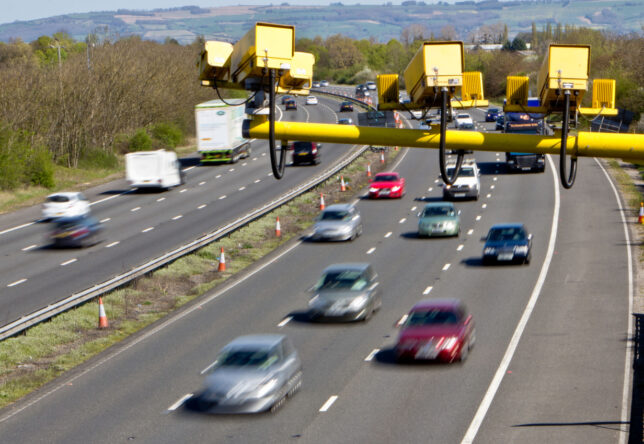
According to research from used car marketplace Cazoo, 26% of motorists have undertaken another vehicle, passing on the inside, specifically because of a lane hogger blocking their way. The same percentage admitted to speeding in order to get past a slower vehicle sitting unnecessarily in the middle lane, even though both responses carry serious legal consequences.
What’s striking is that most of these drivers knew exactly what they were doing at the time. Two-thirds of those who admitted breaking the rules said they were fully aware they were committing an offence in the moment, yet chose to do it anyway out of sheer frustration with the driver ahead.
What does the law actually say about this?

Under Rule 264 of the Highway Code, drivers are required to keep to the left-hand lane unless they’re actively overtaking another vehicle. Sitting in the middle lane without good reason isn’t just bad etiquette, it’s treated as careless driving under the law, and the penalties attached to this aren’t minor.
Undertaking specifically can lead to a careless driving charge, carrying fines of up to £5,000 along with between three and nine penalty points added to a licence. Given how common undertaking has become as a knee-jerk reaction to lane hogging, a significant number of drivers are unknowingly putting their licence and finances at serious risk every time they pass on the inside.
Lane hogging is more common than you’d think.
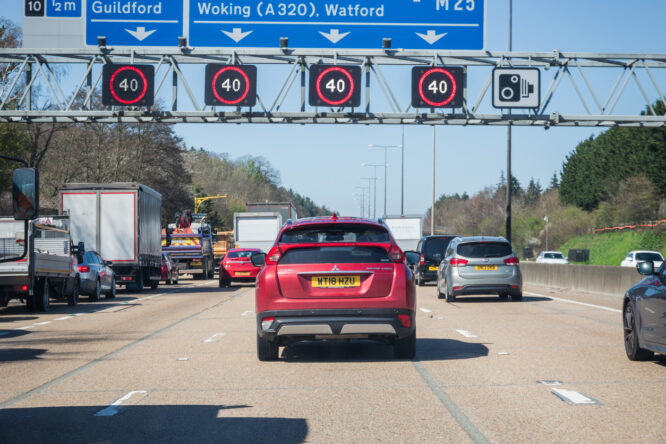
The scale of frustration on Britain’s roads is hard to ignore, with 98% of drivers saying they’ve witnessed lane hogging firsthand at some point. Almost one in five said they encounter it literally every single time they drive on a motorway or other multi-lane road, making it one of the most consistently reported annoyances among UK motorists.
This isn’t a rare annoyance limited to occasional bad luck on a busy bank holiday, it’s become something most drivers expect to deal with on a near-constant basis. That sheer frequency goes some way to explaining why so many eventually snap and break the rules themselves rather than simply tolerating it.
Drivers are expressing their frustration in various ways.
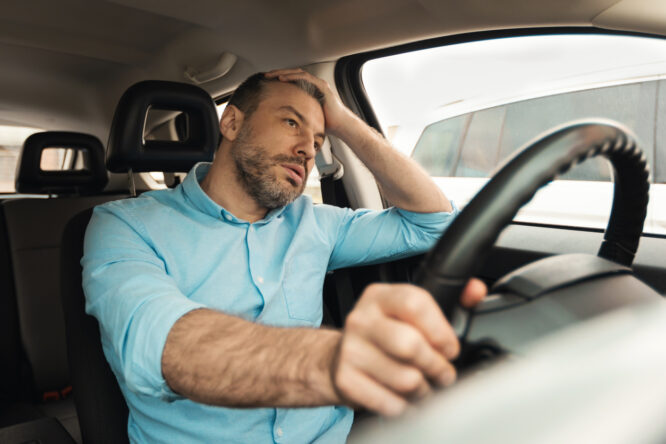
Beyond undertaking and speeding, plenty of drivers find other ways to vent their annoyance at lane hoggers in the moment. A quarter admitted to sounding their horn at slower drivers blocking the middle lane, while 13% confessed to driving dangerously close behind them in an attempt to force them over into the correct lane.
These reactions aren’t just frustrating to witness, they’re genuinely dangerous for everyone involved on the road. Six per cent of drivers said they’d actually been involved in a collision caused directly by a lane hogger, while a further 16% reported experiencing a near miss as a result, figures that highlight just how often frustration tips over into real danger.
Tailgating sparks similar bad behaviour.
It’s not only lane hogging causing problems on UK roads, tailgating triggers a remarkably similar pattern of risky reactions from frustrated drivers. Seven in ten motorists admitted reacting in some way when another vehicle followed them too closely, showing just how widespread this kind of road tension has become.
A quarter said they deliberately slow down when being tailgated, often as a way of signalling their irritation to the driver behind. Meanwhile, 14% confessed to brake checking, suddenly hitting the brakes to send a sharp message, and the same proportion admitted speeding up just to get away from someone following too closely.
The penalties for reacting badly to tailgating are costly.

Reacting impulsively to a tailgater can land drivers in just as much trouble as the tailgater themselves. Brake checking or speeding away from someone following too closely can result in fines of up to £2,500, a penalty many drivers likely aren’t aware of when they react in the heat of the moment.
Aggressive use of horns or flashing headlights at other drivers, whether aimed at a tailgater or a lane hogger, can also lead to penalties of up to £1,000. Taken together, these figures show that retaliating against bad driving, however justified it might feel, often carries real financial consequences of its own.
Surprisingly, many lane hoggers don’t realise it.

In an interesting twist, the research found that one in four motorists actually admit to being lane hoggers themselves at least some of the time. Of these, 44% said it happens by accident rather than as any kind of deliberate choice, suggesting a lot of this frustration stems from genuine inattention rather than stubbornness.
Others were more upfront about their reasoning behind staying put. Around 14% said changing lanes simply requires too much effort on a busy motorway, and the same proportion believed they don’t need to move over as long as they’re already travelling at the speed limit. A further 12% said they genuinely feel safer staying in the middle lane rather than weaving between lanes regularly throughout a journey.
Lane discipline is more important than many drivers think.

Experts at Cazoo, explained that lane discipline plays a crucial role in driving safely and responsibly, even though constantly changing lanes on a busy motorway can feel intimidating for some drivers. That hesitation is likely part of why certain drivers stubbornly stick to the middle lane, regardless of how much traffic is building up behind them.
They pointed out that becoming an obstacle for other road users is genuinely dangerous, since one disruption in the flow of traffic can cause chaos, delays, and potentially serious collisions further down the road. They also noted that modern technology like blind-spot cameras, automated lane-change assistance, and adaptive cruise control can help nervous drivers change lanes more confidently, reducing the chances of becoming a hazard themselves simply out of uncertainty.