When a summer heatwave hits, your fridge has to work twice as hard to keep your milk from spoiling and your food fresh.
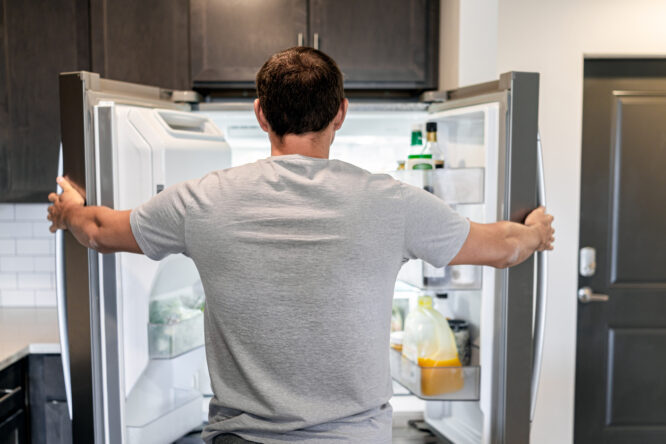
Kitchens can get incredibly stuffy during the warmer months, and that extra ambient heat puts massive pressure on the cooling coils at the back of the appliance. If your fridge starts constantly humming, running hot, or showing condensation on the shelves, it is a clear sign the system is failing to cope with the rising temperatures.
Fortunately, a few simple adjustments to where it sits and how you pack your groceries can make a world of difference. Making these minor tweaks will ease the strain on the motor, lower your energy bills, and make sure your appliance survives the summer completely unfazed.
Know what temperature your fridge should be.
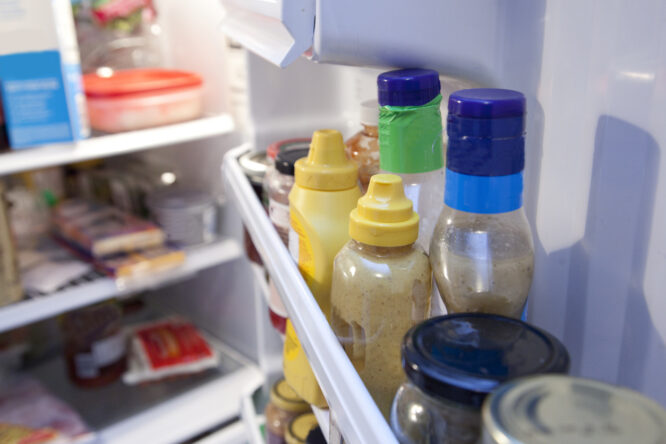
The ideal fridge temperature sits between 0 °C and 5 °C, and anything above 8 °C creates the perfect conditions for harmful bacteria to grow rapidly on food. As warmer weather sets in, it’s worth checking your thermostat dial regularly to make sure it’s holding steady rather than creeping upwards.
Most fridge freezers in the UK are built to cope with temperatures up to 32 °C, though refrigeration expert Gary Harris, who runs Harris Refrigeration Service in Kent, says many actually run most efficiently between 18 °C and 25 °C. Anything hotter than 32 °C means your fridge has to work much harder just to hold its temperature steady, and that strain only gets worse if it was already struggling beforehand.
Give it room to breathe.

One of the simplest fixes is leaving a gap behind your fridge, so air can properly circulate around the coils at the back. According to Gary, this small change alone can make a real difference to how well your fridge copes once the weather heats up.
Manufacturers typically recommend a gap of around 25 mm, though this can vary depending on the specific model and design, so it’s worth checking your manual to confirm what’s right for yours. Integrated fridges are particularly prone to overheating issues, since they often lack the ventilation space that freestanding models naturally have around them.
Keep it clean, inside and out

Cleaning your fridge properly before a heatwave hits is well worth adding to your spring-cleaning routine. Gary recommends unplugging the fridge and pulling it away from the wall so you can clean both the back and front thoroughly, rather than just wiping down the shelves inside.
Pay particular attention to the compressor vents at the bottom, gently brushing and vacuuming them using an old toothbrush or a dustpan brush. Blocked vents can genuinely affect the internal temperature, so keeping them clear helps airflow properly throughout the appliance.
Don’t overfill the shelves.
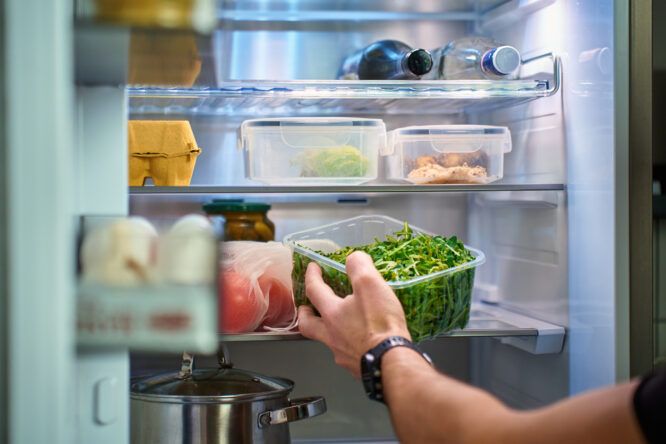
It’s tempting to cram a fridge full, but doing so can stop it working properly, according to Gary. Leaving gaps around trays and drawers, along with a small space at the very top, allows cold air to circulate freely rather than getting trapped.
A jam-packed fridge blocks that airflow, which can push the internal temperature higher than it should be even when the thermostat is set correctly. Giving everything a bit of breathing room genuinely helps the appliance do its job.
Think carefully about where it’s positioned.

If your kitchen layout allows it, try to keep your fridge well away from radiators, ovens, and boilers, since these are some of the warmest spots in any kitchen. Gary mentioned he’s seen plenty of fridges positioned right next to boilers, forcing them to work much harder than necessary just to stay cool.
While moving a fridge isn’t always possible, especially in smaller kitchens, it’s worth keeping in mind if you’re ever redesigning your space or buying a replacement appliance in future.
Avoid leaving the door open.

Every time the fridge door opens, cold air escapes and warmer air rushes in to take its place, pushing the internal temperature up. The appliance then has to work harder and use more energy to bring the temperature back down to where it should be. Getting in and out quickly when grabbing food, especially during a heatwave, helps minimise this effect. It sounds like a small habit, but repeated over a whole summer, it genuinely adds up.
Check your door seals regularly.

Damaged seals around fridge doors let warm air sneak inside, forcing the appliance to work overtime just to maintain its set temperature. It’s worth checking seals occasionally for tears, warping around the corners, or patches where the rubber has gone hard and brittle.
Replacing seals yourself is often simpler than people expect, sometimes as easy as pulling the old ones out, though some models require loosening a few screws first. New seals typically cost between £30 and £100 online, making this a relatively cheap fix compared with replacing the whole appliance.
Use ice to give it a helping hand.

If you’re worried about your fridge struggling during particularly hot spells, Gary suggests placing ice on the top shelf to help cool the inside down. This gives the compressor less work to do overall, reducing the amount of energy needed to keep everything properly chilled.
Defrosting frozen food inside the fridge rather than on the counter has a similar cooling effect, and it’s also the safest way to thaw food properly. It’s a simple two-for-one trick that helps both your fridge and your food at the same time.