Bicarbonate of soda is usually praised as the ultimate holy grail of eco-friendly cleaning, and in many ways, it is.
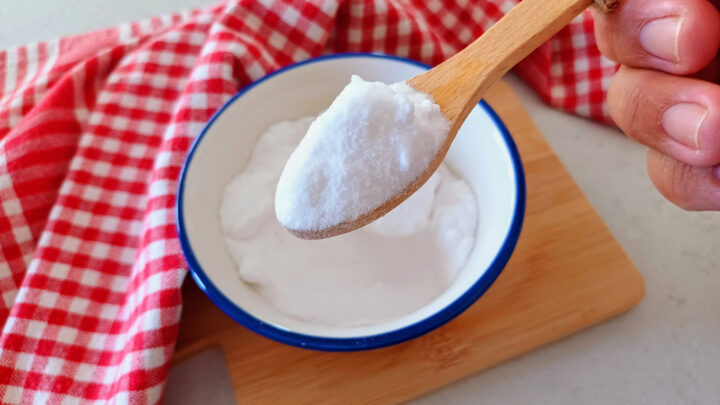
It’s capable of lifting tough grease, deodorising carpets, and shifting stubborn grime for pennies. It’s a staple in almost every household cupboard, but because it works so brilliantly in the kitchen and bathroom, it’s easy to assume it is completely safe to use on everything.
The truth, however, is that this powdery white staple is actually highly abrasive and chemically reactive, meaning it can cause permanent damage to specific delicate materials around your home. If you’re using it as a catch-all solution for every chore on your list, you might accidentally be scratching, discolouring, or completely wearing away expensive surfaces that are notoriously difficult to fix.
What is bicarbonate of soda?
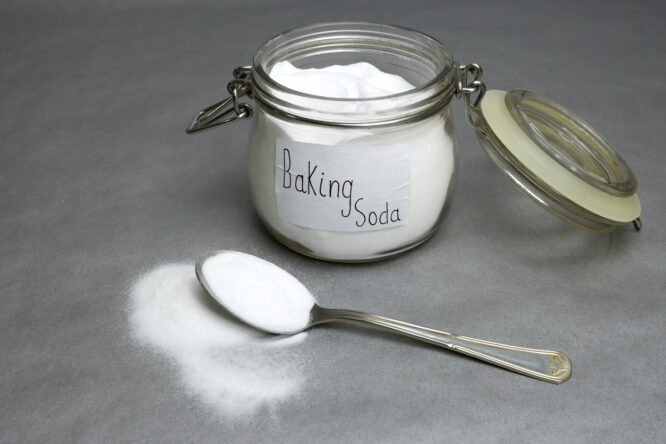
Bicarbonate of soda and baking soda are exactly the same thing, just called different names depending on where you live. In the UK it’s bicarbonate of soda, while in America, it’s usually called baking soda, but both refer to the same mild alkaline powder used in cooking and cleaning.
It’s easy to confuse with baking powder, but that’s a different product entirely, made by mixing bicarbonate of soda with a starch and an acid to help cakes rise properly. For cleaning purposes, it’s bicarbonate of soda you want, not baking powder.
Mixing it with vinegar isn’t always as powerful as people think.
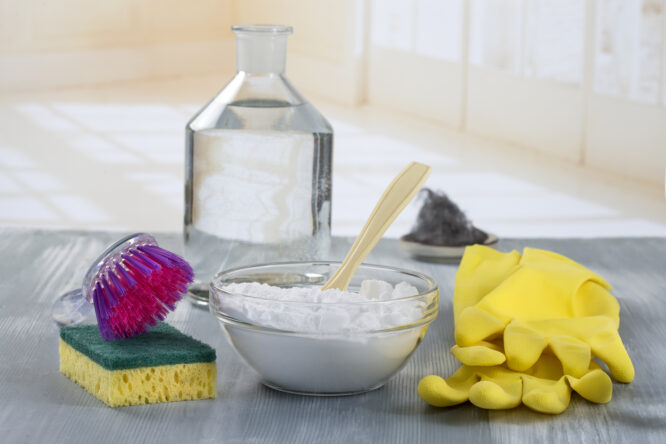
One of the most common tips is mixing bicarbonate of soda with vinegar for a big fizzy reaction. While it looks impressive, that bubbling is just carbon dioxide gas escaping, and it actually means the two ingredients are cancelling each other out rather than working better together.
Used the right way, though, they can still help with certain jobs. For example, applying a bicarbonate of soda paste to oven grease first, then spraying vinegar afterwards to lift away the leftover residue, tends to work far better than mixing the two together from the start.
It won’t unblock your drains.
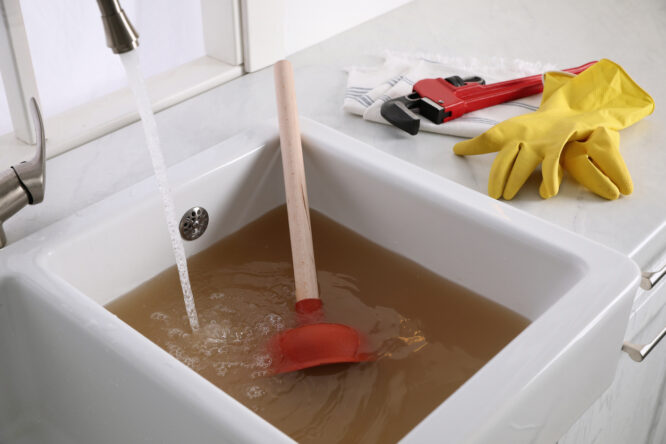
Plenty of online advice suggests pouring bicarbonate of soda, salt, and vinegar down a blocked drain to clear it. Testing has shown this barely makes a difference, even after several attempts, leaving the blockage exactly where it started.
Use a plunger or a purpose-made drain cleaner instead, both of which are far more reliable when pipes are clogged with hair or grease. Bicarbonate of soda simply isn’t strong enough to break through a stubborn blockage on its own.
Be careful adding it to laundry or skincare.
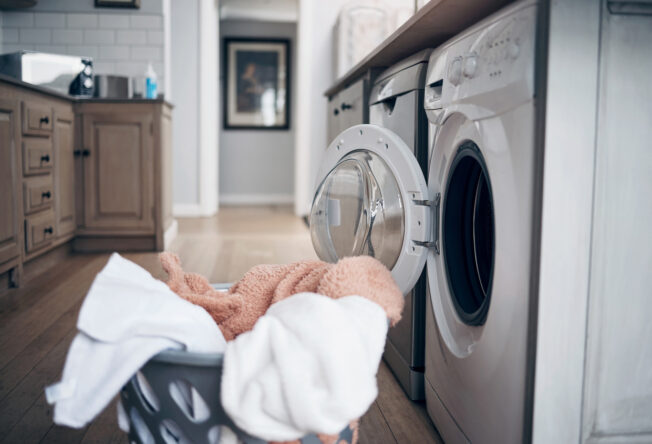
Adding bicarbonate of soda to a full laundry load is sometimes suggested as a way to brighten clothes or remove smells, but using too much can actually irritate skin, leading to rashes or redness, especially for people who don’t realise they’re sensitive to it. Use it as a spot treatment instead, mixing a small amount with water to form a paste and applying it directly to stains rather than tipping it into the whole wash.
The same caution applies to skincare. Bicarbonate of soda is far more alkaline than healthy skin, so using it as a homemade face wash or cleanser can damage the skin’s natural barrier instead of helping it, particularly for anyone with sensitive or already irritated skin. Stick to skincare products that have actually been formulated and tested for use on the face.
It struggles with burnt pans and delicate surfaces.

A popular trick for burnt pots and pans involves a paste of bicarbonate of soda, salt, and vinegar, but tests have found this to be one of the least effective methods around, requiring loads of scrubbing for barely any results. Soak the pan in hot water with washing-up liquid instead, or use a dishwasher tablet, both of which tend to work much better.
Delicate surfaces don’t get on well with bicarbonate of soda either, since its slightly gritty texture can scratch shiny finishes like polished chrome, mirror-finish steel, or non-stick coatings on pans and air fryer baskets. Use a soft cloth with warm water and washing-up liquid instead, which cleans just as well without the risk of scratching.
It’s not a proper disinfectant.

Although it gets marketed as a natural alternative to chemical cleaners, bicarbonate of soda doesn’t actually kill bacteria the way bleach does. It’s also not much use against limescale, rust, or thick mineral build-up around taps and pipes. For jobs that genuinely need disinfecting, reach for an actual disinfectant or bleach-based cleaner instead, and for limescale or rust, a specialist limescale remover will get far better results than bicarbonate of soda ever could.
Where it actually works well
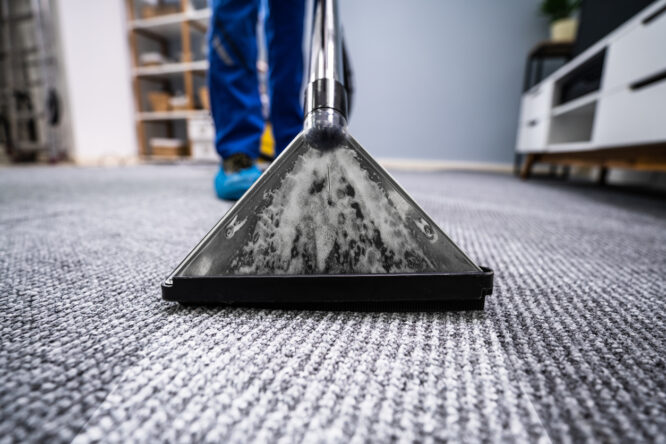
Despite its limits, bicarbonate of soda still earns its place for several everyday jobs. Sprinkling it over carpets before vacuuming helps lift smells and stains, and following up with a light, diluted vinegar spray can finish the job nicely, just remember to test it on a hidden patch first if you’re using it on wool carpets, since they’re more sensitive to acids.
It’s also handy for soaking smelly gym kits before washing, keeping bins smelling fresh by sprinkling some in the base, scrubbing away oven grease with a simple paste, and gently lifting stains from a mattress using a mix with cold water.