Royal cuisine usually brings to mind grand banquets, silver service and dishes most of us would struggle to pronounce, never mind cook at home.
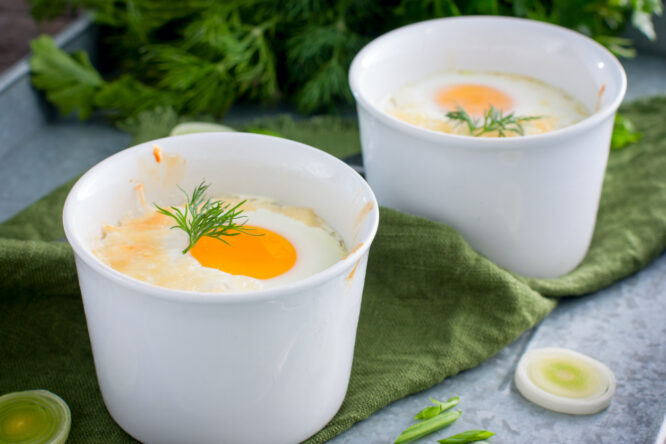
However, one of King Charles’s favourite breakfasts is actually incredibly simple, taking less than 15 minutes to prepare and using ingredients you’ll likely already have in your fridge. The dish, known as Cheesy Baked Eggs, has been a long-time favourite of the King and is genuinely worth adding to your weekend breakfast rotation. Here’s how to make it yourself.
This is a royal breakfast worth knowing about.
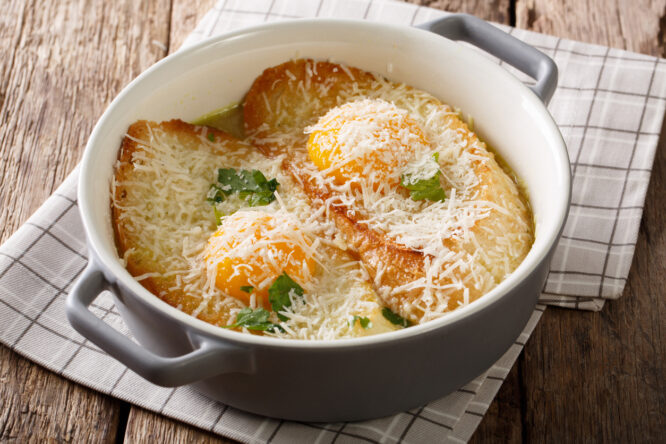
The recipe for Cheesy Baked Eggs was first shared by Clarence House back in 2020, when the King was still the Prince of Wales. It was published during the early stages of the pandemic, when the then-Prince was speaking out about the strain that lockdown was putting on British cheesemakers and dairy producers. The recipe was offered up as a simple way for households to use a few different cheeses while supporting struggling small dairies.
What makes the dish particularly appealing is how unfussy it is. Despite coming straight from a royal kitchen, it doesn’t need any expensive equipment, complicated techniques or hard-to-find ingredients. Once the oven is hot, the whole thing comes together in under 15 minutes, which makes it an ideal weekend brunch or weekday treat when you fancy something slightly more interesting than your usual breakfast.
What you’ll need to make it
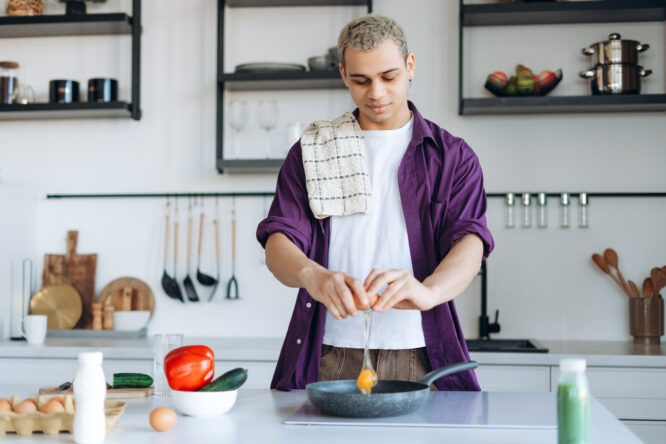
The recipe uses just a handful of ingredients, most of which you can easily pick up at any supermarket. For one serving, you’ll need 80ml of double cream, a handful of torn fresh basil leaves, 15g of a hard grated cheese like a strong cheddar or aged hard cheese, one egg, one cherry tomato or a few sundried tomatoes, 100g of wilted spinach, and 35g of a soft cheese such as a creamy brie-style cheese or a strong soft cheese with a bit of character.
The original royal version recommends a hard British cheese called Old Winchester and a soft cheese like Tunworth or Gold Cenarth, both of which are delicious British cheeses worth seeking out. That said, you can absolutely use whatever good-quality British cheese you’ve got available. A bit of cheddar and a creamy brie work just as well, particularly if you’d rather not make a special trip to a deli.
The optional extras worth considering
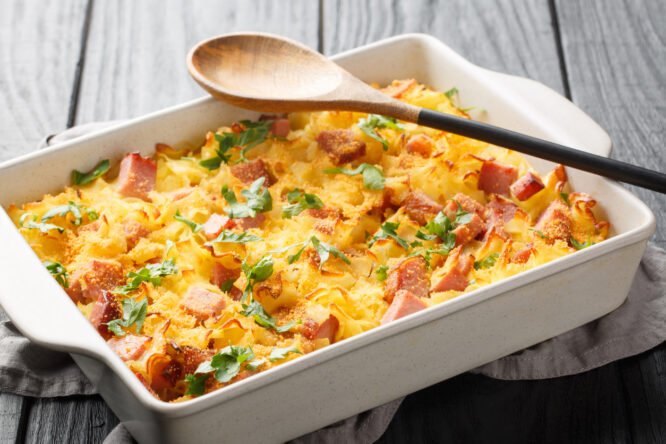
The recipe also lists a few optional extras for anyone who fancies a bit more variety. Sliced charcuterie or cold cut meats can be added before the egg goes in, giving you a more substantial breakfast that feels closer to a proper brunch dish. Crispy bacon, a few slices of prosciutto, or some chopped ham all work brilliantly.
If you’d rather keep it vegetarian, you could also add a few sautéed mushrooms, some chopped fresh herbs like chives or parsley, or even a sprinkle of chilli flakes for a bit of warmth. The base recipe is flexible, so you can adapt it depending on what you’ve got in your fridge.
Step-by-step instructions

Start by preheating your oven to 180C. While the oven is warming up, grease a small baking dish or ovenproof ramekin with a little butter or oil. Take your wilted spinach and arrange it around the edges of the dish, along with the cherry tomato or sundried tomatoes. The aim is to create a sort of nest, with a clear well in the middle where the egg will go.
Scatter your soft cheese and torn basil leaves over the spinach and tomatoes. Season with a pinch of salt and a grind of black pepper. If you’re adding charcuterie, lay it over the cheese now. Crack your egg carefully into the well in the centre, taking care not to break the yolk. Pour the double cream gently over the egg so it sits around it, then finish with a generous layer of the grated hard cheese on top.
The cooking and resting bit

Pop the dish into the hot oven for eight to 10 minutes. The exact timing will depend on how runny you like your yolk. For a soft, runny yolk, aim for eight minutes. If you prefer it a little firmer, leave it in for the full 10 minutes or slightly longer. The white should be just set and the cheese on top should be golden and bubbling.
Take it out of the oven and let it stand for a few minutes before tucking in. This rest gives the egg time to finish cooking through gently while you grab some toast or crusty bread to dunk in. The dish is very hot straight from the oven, so the wait is worth it to avoid burning your tongue on that first delicious mouthful.
Why this dish has stuck around for generations

Baked eggs, sometimes called by their French name oeufs en cocotte, have been a feature of royal kitchens for over a hundred years. The dish dates back to Queen Victoria’s era and has remained a quiet favourite through every monarch since. Queen Camilla’s son Tom Parker Bowles has also spoken fondly of growing up with a similar version of the dish, often made with eggs from the family’s own chickens.
The reason baked eggs have endured for so long is that they’re versatile, comforting, and quick. You can make them as basic or as fancy as you like, depending on what’s in the fridge and how much time you’ve got. They’re equally at home on a quiet weekday morning or as part of a more elaborate weekend brunch spread.
What to serve it with
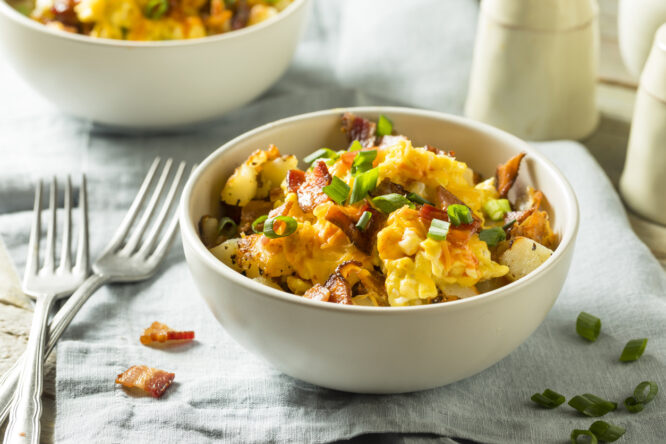
The Cheesy Baked Eggs are satisfying on their own, but they’re even better when paired with a few simple sides. A few slices of thick toasted sourdough, brown bread or crusty white bread are brilliant for dunking into the runny yolk. A small green salad with a lemony dressing adds freshness and balances the richness of the cheese and cream.
If you’re going all out for a weekend brunch, serve the baked eggs alongside grilled mushrooms, a few rashers of crispy bacon, some smoked salmon, or even a small bowl of fresh berries. A pot of strong coffee or builder’s tea finishes everything off, and you’ve got a brunch that feels indulgent without being any harder to make than scrambled eggs on toast.
The cheeses that work best
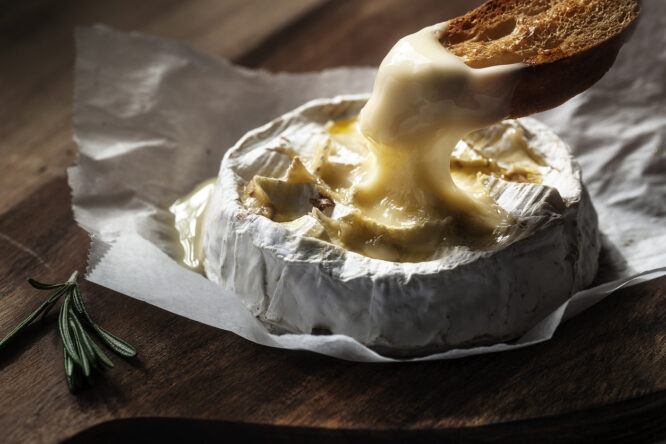
The original royal recipe specifically calls for a strong soft cheese and a hard grated cheese, but the type of cheese you choose makes a huge difference to the final dish. For the soft cheese, a creamy brie or camembert works beautifully, melting into the dish and creating a rich, velvety base. A stronger British soft cheese like Tunworth, Stinking Bishop or Baron Bigod adds a bigger flavour punch if you fancy something more dramatic.
For the hard cheese on top, an aged cheddar, a sharp parmesan-style cheese or a hard British cheese like Old Winchester all work brilliantly. The key is to use cheese with good flavour rather than mild, bland varieties. The whole point of the dish is to let the cheese sing, so choose ones you’d happily eat on a cheeseboard.
Why the King has been such a champion of British cheese
The King has been a long-time supporter of British dairy farmers and small-scale cheesemakers. His original 2020 statement alongside the recipe specifically highlighted the threat the pandemic was posing to artisan cheese producers, who had lost most of their restaurant trade overnight. By sharing the recipe, he was encouraging the public to buy more British cheese and support the small producers behind it.
That same spirit can be carried forward when making the dish at home. Picking up your soft and hard cheeses from a local farm shop, deli or independent cheesemonger means your breakfast quietly supports the kind of British food producers the King has spent decades championing. Even popping into the cheese counter at your local supermarket and choosing a British cheese makes a small difference.