Cod and chips has been one of Britain’s most beloved meals for over a century.
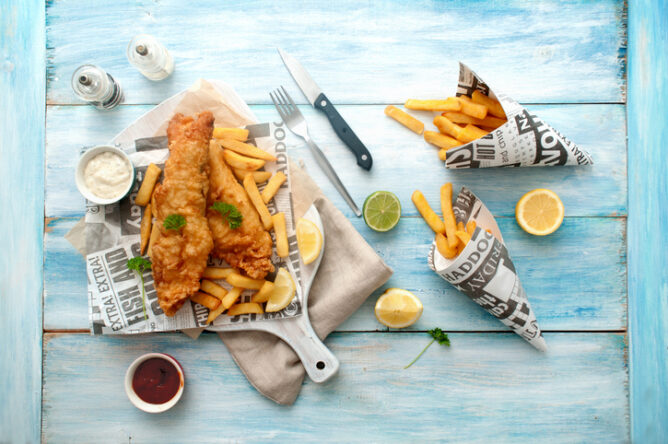
The classic combination of crispy battered fish, fluffy chips, a wedge of lemon and a generous splash of vinegar has fed generations of British families on Friday nights. But the dish could be heading for a worrying decline, with chip shops across the country taking cod off their menus as prices climb to unsustainable levels. Here’s what’s actually happening, why cod has become so expensive, and what it could mean for the future of the great British chippy.
There’s a cod crisis that nobody saw coming.
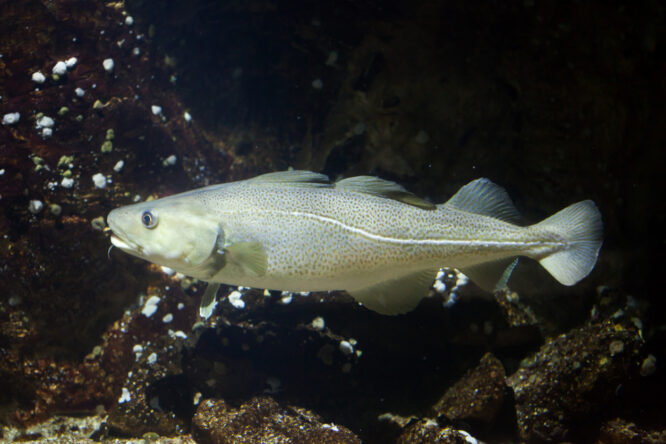
Cod prices in the UK have nearly doubled in the past year alone. One London chippy reported paying £16.50 per kilo for Scottish cod in April 2024, only to be charged £28 per kilo for the same fish a year later. That’s an enormous jump, and it’s putting huge pressure on small fish and chip shops across the country.
Some chippies are now only serving cod on certain days of the week to keep costs manageable. Others have taken it off the menu altogether, replacing it with cheaper alternatives like hake, coley, or even haddock. For an industry built around affordable working-class food, the price hike has hit hard, with many shop owners warning that the classic cod and chips supper might genuinely disappear from British high streets within years.
Why has cod become so expensive?
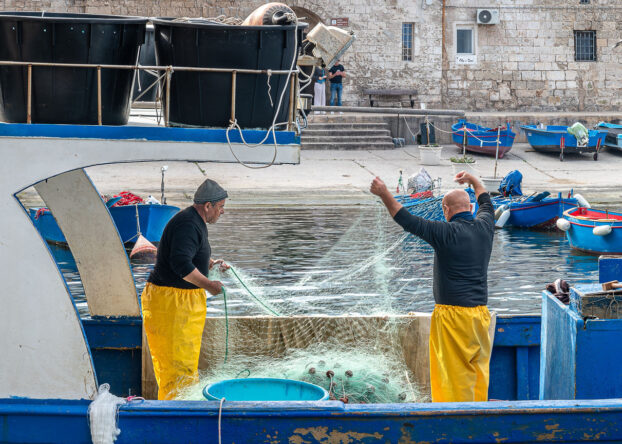
A few different factors have come together to push cod prices through the roof. Russia’s invasion of Ukraine in 2022 played a major role, since Russia had previously been one of the world’s biggest suppliers of cod to the UK. Sanctions on Russian goods cut off much of that supply almost overnight, leaving British buyers scrambling for alternatives and driving up demand for the cod available elsewhere.
On top of this, cod stocks in the North Atlantic have come under serious strain in recent years. Strict fishing quotas, reduced catches, climate change shifting fish populations, rising fuel costs for fishing fleets, and increased global demand have all combined to make cod harder and more expensive to source. The result is a perfect storm that’s quietly making one of Britain’s favourite fish unaffordable for many chip shops.
Chippies are doing their best to cope.
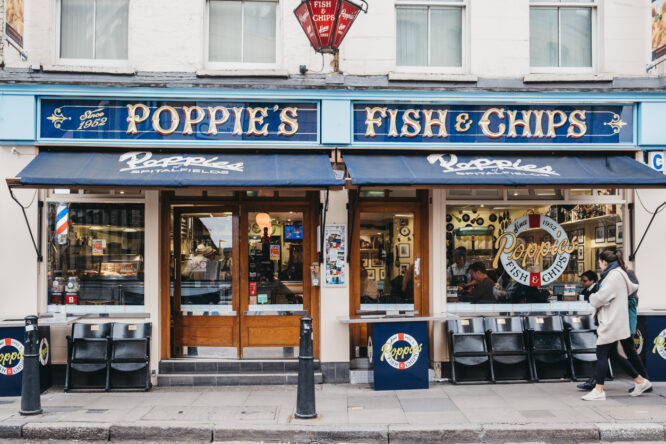
Faced with these soaring costs, fish and chip shops have been forced to get creative. Some are reducing portion sizes, with smaller fillets becoming the new normal. Others are limiting cod to specific days of the week, like Friday and Saturday, when demand is highest and customers will pay a bit more. Many have started using cheaper white fish like coley, ling, hake or pollock as the main option, sometimes alongside cod and sometimes replacing it entirely.
A worrying trend is also emerging, where some chippies are quietly switching to cheaper fish but still calling it cod on the menu. Haddock is sometimes sold as cod, and other white fish like ling and coley occasionally end up in the fryer without being labelled. It’s not always intentional fraud, more a desperate attempt to keep going, but it’s a sign of just how strained the industry has become.
One Mayfair chippy has gone completely cod-free.

One of London’s most respected fish and chip shops, located in Mayfair, has taken cod off the menu altogether. The shop, which holds Michelin Guide recognition and an AA Rosette, has replaced cod with hake. The owners have been clear that sustainability concerns were the main reason, with the cost pressures playing a supporting role.
Their decision reflects a wider trend across high-end seafood restaurants and chippies, where awareness of overfishing and the long-term health of fish stocks is shaping menu choices. Hake, pollock, and other less famous white fish are increasingly being marketed as sustainable alternatives, and many customers are slowly coming around to them. The trouble is, plenty of traditional chippy customers still strongly prefer cod, which makes the switch a genuinely tricky business decision.
Sustainability is a topic that can’t be ignored here.
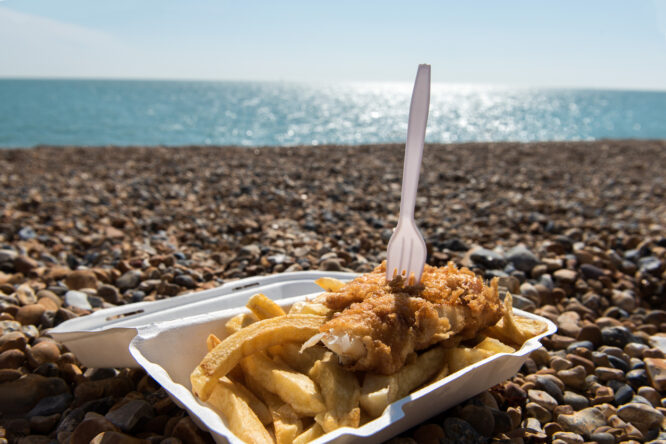
Beyond the price hikes, there’s an important conversation happening about whether eating so much cod is sustainable in the long term. Atlantic cod stocks have collapsed in some areas, particularly off the coasts of Newfoundland and parts of the North Sea. Fishing quotas exist precisely to prevent further collapses, but they also mean less cod is available, which pushes prices even higher.
Switching to alternatives like hake, pollock, coley, and ling helps spread the demand across multiple species, which gives cod stocks a chance to recover. Many sustainability experts argue that the decline of cod and chips in its traditional form might actually be a good thing for the long-term health of our seas. The trick is helping British diners discover that other white fish can be just as tasty when cooked and battered.
Chippies are inevitably passing on the costs to customers.
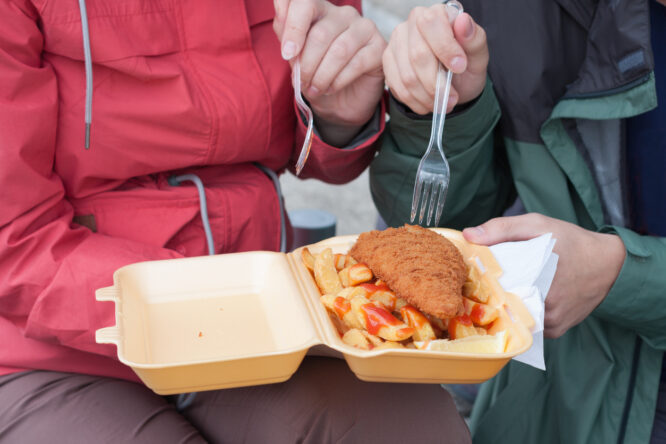
For chip shops that have stuck with cod, the only real option has been to pass the higher costs onto customers. A small portion of cod and chips at a London chippy can now easily cost £12 or more, with larger portions pushing well past £15. That’s a serious change from the cheap working-class meal that fish and chips used to be, and it’s quietly putting the dish out of reach for many regular customers.
Shop owners are caught between two impossible choices. They can either keep prices low and watch their already tight margins disappear, or raise prices and risk losing the loyal customers they’ve spent years building up. Many small chippies are reporting weeks when the owners don’t pay themselves at all just to keep the business going. It’s a precarious situation for an industry that has anchored British high streets for over a century.
Fish and chips are one of the most culturally significant parts in Britain.
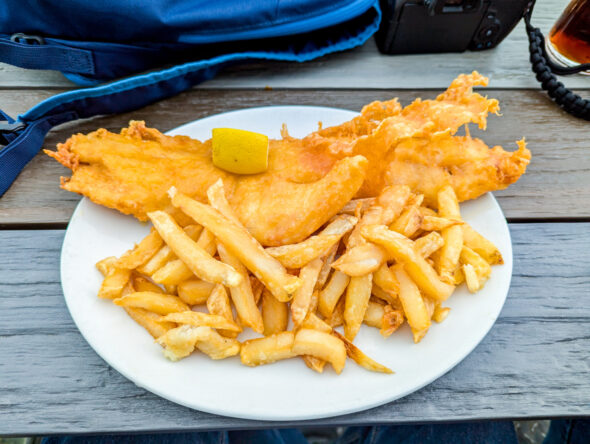
Fish and chips isn’t just food in Britain—it’s a big part of the national identity. The classic chippy has fed working families for generations, kept seaside towns alive, sustained countless small businesses, and become a beloved Friday night ritual across the country. Around 350 million portions are still eaten in the UK every year, despite the rising costs.
Losing the affordable cod and chips supper would be a meaningful cultural blow. It would mean an end to one of the few cheap, filling, comforting meals that has survived through decades of economic ups and downs. The industry employs tens of thousands of people, supports British potato farmers, and gives small towns and seaside spots a distinctive character that’s hard to replace.
There are some alternative fish worth trying.
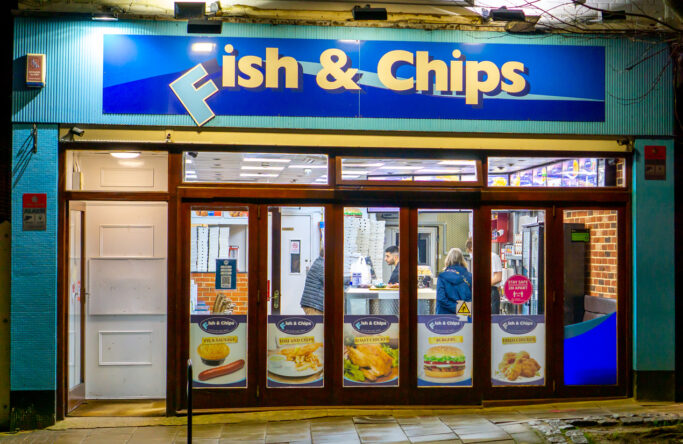
If you’re willing to try something different at your local chippy, several alternative fish make excellent stand-ins for cod. Hake has a delicate, slightly sweeter flavour and stays beautifully flaky under the batter. Pollock is firm-textured and milder, often used in budget fish dishes, but genuinely worth trying battered. Coley has a stronger flavour and darker flesh, but pairs brilliantly with chips and tartare sauce.
Haddock is the obvious other option, and it’s the preferred choice in many parts of Northern England and Scotland. It tends to be slightly cheaper than cod and has a sweet, delicate flavour that some people actually prefer. Asking your chippy what they’re using on any given day is a good habit to get into, and most will be happy to recommend the freshest option they’ve got that day.
How to spot a good chippy in tough times
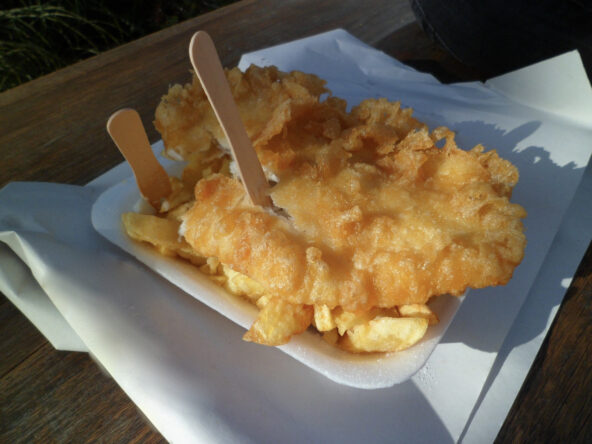
In times of rising costs and tempting shortcuts, finding an honest chippy matters more than ever. Look for shops that are transparent about which fish they’re serving, ideally with the variety listed clearly on the menu rather than just being called “fish.” A chippy that openly explains where its fish comes from, how often it’s fresh rather than frozen, and what’s available on each day is more likely to be doing things the right way.
Visiting at busy lunchtimes or early evenings is another good sign, since fresh-frying ensures the fish hasn’t been sitting around for hours. Decent chippies will also have decent chips, made from proper potatoes rather than frozen ones, and they’ll cook to order rather than reheating batch-cooked food. A bit of careful choosing means you’re supporting the chippies actually working hard to maintain quality even as costs rise.