Menopause is one of those life stages most women hear about long before they get there, but the reality often comes with a stack of surprises.

Hot flushes and night sweats get most of the attention, but they’re far from the only changes that can come with the territory. Plenty of women find themselves dealing with strange and unexpected symptoms they didn’t realise were linked to menopause at all. Here are some of the lesser-known signs to be aware of, what’s actually causing them, and what you can do to feel better.
Why menopause causes so many strange symptoms
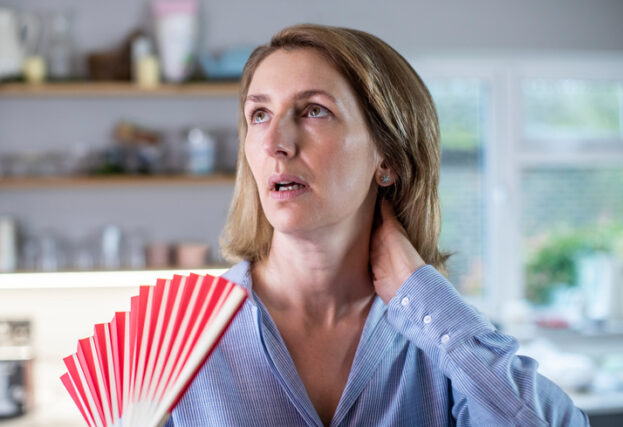
Menopause and the years leading up to it, known as perimenopause, are driven by a drop in the hormone oestrogen. This single change has significant knock-on effects across the whole body, since oestrogen receptors are found in nearly every system, from your skin and brain to your gut, joints, and even your taste buds.
That’s why the symptoms of menopause can feel so wide-ranging and sometimes baffling. It isn’t just about periods stopping. The hormonal change slowly but surely reshapes how your body functions in dozens of small ways, many of which are easy to mistake for something else entirely. Knowing what’s going on helps make these changes feel less alarming and more manageable.
Dry skin that won’t behave
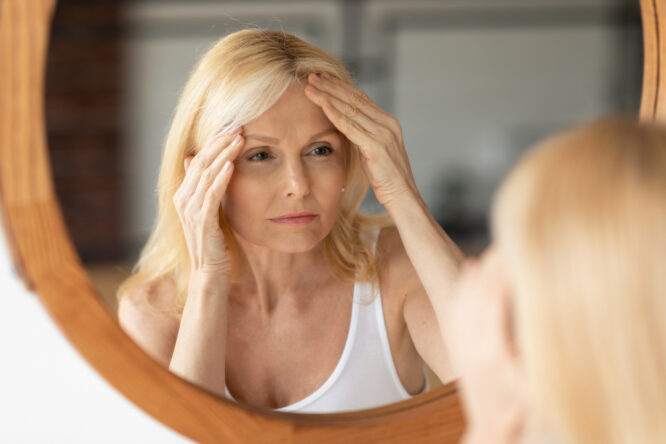
One of the most common but under-discussed menopause symptoms is dry, itchy or papery skin. As oestrogen drops, your skin produces less natural oil and finds it harder to hold onto moisture. The same hormonal change reduces the production of collagen and elastin, the proteins that keep skin firm and bouncy.
The fix is straightforward. Switch to a gentle, fragrance-free cleanser, and apply a moisturiser containing hyaluronic acid or glycerin within a few minutes of getting out of the shower or bath. Reapply throughout the day if your skin feels tight. A richer night cream and a decent SPF during the day will also help your skin stay comfortable and protected.
Trouble sleeping when you most need it

Plenty of women find their sleep falls apart during perimenopause and menopause. Falling oestrogen and progesterone levels can disrupt the body’s normal sleep patterns, while night sweats and hot flushes make it harder to stay asleep through the night.
A consistent bedtime routine genuinely helps. Try keeping your bedroom cool, going to bed at the same time each evening, avoiding caffeine after lunchtime and getting some regular exercise during the day. If sleep problems are seriously affecting your quality of life, hormone therapy is one of the most effective treatments available, and it’s well worth chatting to your GP about whether it could be a good option for you.
Joint and muscle aches that come from nowhere
Oestrogen helps keep joints and muscles healthy and reduces inflammation in the body. As levels drop, joint stiffness, muscle aches and general body discomfort can creep in, sometimes for the first time in your life. Many women find themselves wondering whether they’ve suddenly developed arthritis, when actually it’s the hormonal change behind the discomfort.
Maintaining a healthy weight takes pressure off joints, while regular strength and resistance training can help build muscle and protect your joints over time. Gentle movement like walking, swimming, and yoga also keeps things ticking over nicely. Hormone therapy can help with this symptom too, particularly when joint pain is severe enough to interfere with daily life.
Changes in your breasts

Your breasts have plenty of oestrogen receptors, so the hormonal swings of perimenopause can cause noticeable changes. Some women experience increased tenderness, fullness or a feeling of heaviness, particularly in the early stages. Others find their breasts feel less full as they progress further into menopause.
There isn’t always much to be done about this beyond wearing comfortable, supportive bras and getting used to the changes. If you notice any lumps, unusual pain or other changes that don’t feel hormonal, do book in with your GP for a proper check. Breast tissue should always be taken seriously, and changes that don’t seem to settle down warrant medical attention.
A surprisingly dry mouth

Dry mouth is one of the most under-recognised menopause symptoms. Recent research found that around 75 per cent of women didn’t know dry mouth was linked to menopause at all. The mouth and salivary glands contain oestrogen receptors, so when those hormone levels drop, saliva production can decrease too.
Staying hydrated helps a lot, but you can also try sugar-free chewing gum or lozenges to keep your mouth producing saliva. Avoid alcohol-based mouthwashes, which can dry things out further. If the symptom is persistent, your dentist may be able to recommend specific saliva-stimulating sprays or rinses to keep your mouth comfortable.
Taste buds that suddenly aren’t quite right

Hormonal swings can mess with your taste buds, and dry mouth makes the problem worse. A small study even found that women who’d been through menopause struggled to identify certain bitter and sweet tastes compared with women who hadn’t reached menopause yet. So if your favourite foods suddenly taste a bit off, you’re not imagining it.
There isn’t a magic fix for this, but staying hydrated, eating slowly and trying new herbs and spices can help make meals more enjoyable. The good news is that for many women, this symptom settles down over time. If it’s bothering you, hormone therapy may help, since restoring hormone levels can often improve taste perception.
Changes in body odour

If you’ve noticed your natural scent has changed, it could be down to menopause. Sweat glands contain oestrogen receptors, so when oestrogen drops, the way you sweat and smell can change. Add in hot flushes, which cause you to sweat more frequently, and the result can be a different body odour than you’re used to.
Wearing breathable, natural fabrics like cotton, linen and bamboo helps your skin breathe and reduces sweat build-up. Dressing in layers so you can adjust to temperature changes is also useful. A good deodorant, regular showers and changing clothes when you’ve sweated heavily can all help you feel fresher day to day.
Brittle, peeling nails
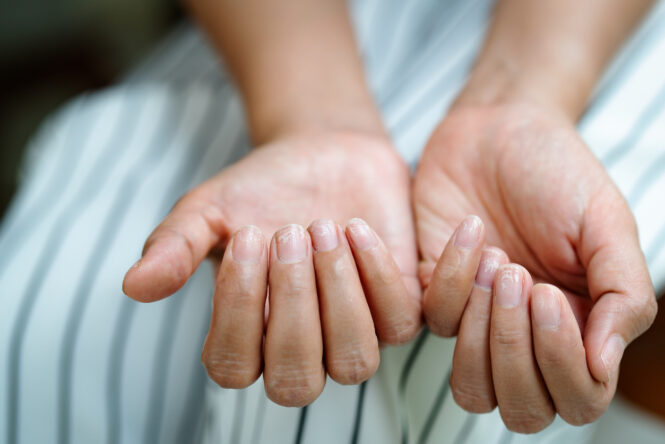
Falling oestrogen levels affect the production of keratin and collagen, the proteins that give your nails their strength. The result can be nails that split, peel, crack or simply refuse to grow. Thyroid issues are also more common during menopause, and these can affect your nail strength too.
Keep your hands and nails moisturised with a decent hand cream, and consider wearing gloves when doing washing-up or gardening. Eating plenty of protein, healthy fats and foods rich in biotin, like eggs, nuts and seeds, can also help. If your nails are persistently weak or your hair is also impacted, ask your GP about checking your thyroid function and any nutritional deficiencies.
Sudden dizziness or lightheadedness

Some women experience dizzy spells during menopause, which can be linked to oestrogen changes and disrupted sleep. The hormone affects how your blood vessels behave, and the combination of hormonal shifts, poor sleep and dehydration can sometimes leave you feeling off balance.
Dizziness can also be a symptom of plenty of other health issues, so it shouldn’t be brushed off as “just menopause” without checking with your GP. Severe or recurring dizziness in particular needs investigation to rule out other causes like inner ear problems, low iron levels or blood pressure issues. If your dizziness comes alongside other symptoms like chest pain, vision changes or fainting, seek medical attention quickly.
Strange tingling or numbness

Some women experience tingling or numb patches on their skin during menopause, a condition known medically as paresthesia. The drop in oestrogen can affect nerve function, leaving some areas of skin feeling oddly numb, prickly or tingly. It’s not usually painful, but it can feel strange.
Like dizziness, this symptom can have plenty of other causes, including vitamin deficiencies, diabetes and nerve problems, so persistent tingling should always be checked by your GP. Once other causes are ruled out, the tingling is often manageable with the same general approach used for other menopause symptoms, including hormone therapy if appropriate.
Dryness and discomfort down below

A woman’s most intimate tissues are rich in hormone receptors, so the drop in oestrogen can lead to dryness, irritation, and discomfort during sex. Many women feel awkward bringing this up, but it’s one of the most common menopause symptoms and absolutely treatable. Painful sex, burning, itching and frequent UTIs can all stem from the same hormonal change.
Over-the-counter moisturisers and lubricants can help, and many women benefit from prescription topical oestrogen creams that work directly on the affected tissue with very few side effects. Hormone therapy can also make a meaningful difference. Speak to your GP openly about this, since plenty of effective treatments are available and there’s no need to suffer in silence.
Brain fog that catches you off guard

Brain fog is one of the most distressing menopause symptoms because it can feel like you’re losing your sharpness. Forgetting names, losing your train of thought mid-sentence and struggling to focus are all common during perimenopause and early menopause. Oestrogen receptors are scattered throughout the brain, so falling levels can impact memory, attention, and clarity of thought.
The good news is that this symptom often improves over time as your body adjusts. In the meantime, regular exercise, good sleep, a balanced diet and managing stress all genuinely help. Hormone therapy is one of the most effective treatments for brain fog and is a major reason many women choose to use it.
Changes in your bowel habits

Your gut is also full of oestrogen receptors, so hormonal swings can certainly change how your digestive system behaves. Some women experience more bloating, constipation, or unpredictable bowel habits during menopause. The gut microbiome can also shift over time, adding to the changes.
A diet rich in fibre, plenty of water, regular movement and limited ultra-processed foods all help keep your gut on track. Fermented foods like kefir, live yoghurt and sauerkraut may help support a healthier gut microbiome too. If symptoms are disruptive, or you notice any unusual changes like blood in your stool or unexpected weight loss, get them checked by your GP straight away.
How to actually treat menopause symptoms
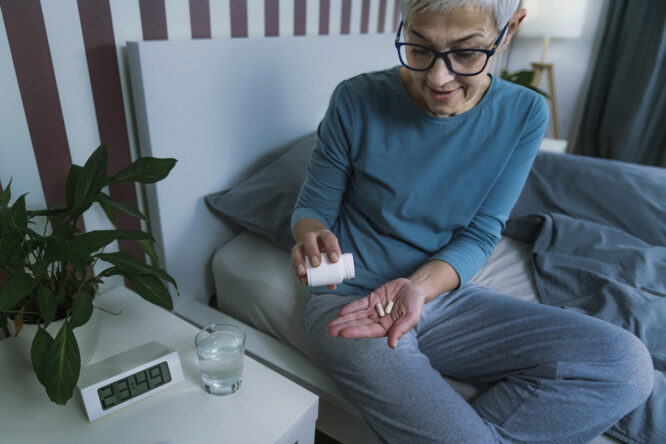
Hormone therapy, sometimes called HRT, is one of the most effective treatments for a wide range of menopause symptoms. It works by replacing some of the oestrogen and progesterone your body is producing less of, which can ease hot flushes, sleep problems, brain fog, joint pain, vaginal dryness and more. It comes in different forms, including tablets, patches, gels, and creams.
Hormone therapy isn’t right for everyone, since factors like your age, how long it’s been since your last period, and your medical history all play a role. The best approach is to book a proper conversation with your GP, ideally with a doctor who has a specific interest in menopause. The North London-based British Menopause Society also has a helpful directory of menopause specialists if you’d like a second opinion.