There’s a revolution happening on Britain’s nights out, and it’s coming from the very generation everyone assumed would be propping up the bars.

Gen Z is drinking less, more thoughtfully, and with a fresh approach designed to skip the hangover entirely (which would have come in handy when many of us were younger). The latest trend behind it is called “zebra striping,” and it’s quickly becoming one of the most talked-about drinking habits of the year. Here’s what it actually involves and why so many young Brits are getting on board.
What is zebra striping?
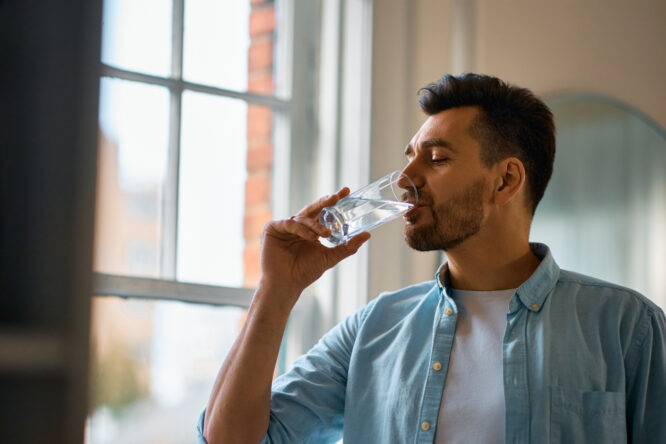
Zebra striping is the simple practice of alternating alcoholic drinks with non-alcoholic ones throughout a night out. Instead of three pints in a row or four cocktails before dinner, you’d order a gin and tonic, then a soda water with lime, then a glass of wine, then a Diet Coke, and so on. The result is a slower, steadier pace of drinking that keeps you sociable but stops the wheels falling off.
The name comes from the visual idea of alternating between two different types of drink, like the stripes on a zebra. It isn’t about giving up alcohol entirely, which is a different trend altogether. It’s about staying involved in the night, enjoying a few proper drinks, and avoiding the kind of state that leaves you nursing a banging head and a missing memory the next morning.
Gen Z in particular is leading the way.

Younger drinkers have been steadily moving away from heavy alcohol use for a few years now, with research consistently showing they drink less than millennials, Gen X and Baby Boomers did at the same age. Part of this is about money, since pub pints and bar cocktails now regularly cost upwards of £8 or even more in city centres. Part of it is about health, with this generation being more aware of how alcohol actually affects the body, mood, and sleep.
There’s also a deeper cultural change at play. Gen Z talks openly about avoiding risky behaviour, looking after their mental health and protecting their next-day productivity. Working long hours, juggling side hustles, going to the gym and posting on social media all leave very little room for being wiped out on a Sunday. Zebra striping fits this lifestyle well, since it lets young people keep socialising without losing a whole day to recovery.
The hangover has become the real villain.

For previous generations, a hangover was treated as a badge of honour, even a slightly funny consequence of a good night out. For Gen Z, it’s just an obstacle. Hangovers eat into time, money, motivation, and mood. With many young adults working multiple jobs, building businesses on the side or trying to make the most of limited free time, a day spent flat on the sofa staring at the ceiling feels like a serious waste.
The financial side adds another layer. Knocking back six expensive cocktails for £60 and then writing off the next morning feels like a bad return on investment. Pacing yourself, alternating with water or a soft drink, and going home in one piece means the money goes further and the morning still belongs to you. For a generation watching every pound, this kind of small change makes a meaningful difference.
There’s one simple ritual people swear by.

The most common version of zebra striping is alternating each alcoholic drink with a glass of water, soda water or a soft drink. Some people stick to one for one, while others use a slightly more relaxed ratio, like two alcoholic drinks followed by one non-alcoholic. Either way, the principle is the same. By the time you’ve worked your way through three or four real drinks across the evening, you’ve also taken in a couple of pints of water or soft drinks alongside them.
Plenty of zebra stripers add other rituals to the mix too. Eating a decent meal before drinking, drinking a glass of water with electrolytes before bed, and having a snack like toast, eggs, or a sandwich before turning in are all becoming standard. None of it is rocket science, but added together, these tiny habits dramatically reduce how rough you feel the next morning.
The rise of better non-alcoholic options has made this possible.

A big reason zebra striping is taking off now is that non-alcoholic drinks have come on properly in recent years. Gone are the days when “not drinking” meant choosing between a warm orange juice and tap water. UK supermarkets, pubs, and bars now stock a wide range of alcohol-free beers, sparkling alternatives to wine, alcohol-free gins, and increasingly sophisticated mocktails that genuinely taste like the real thing.
Brewing giants like Heineken and Asahi have invested huge amounts into developing alcohol-free lagers, while smaller independent brands are flooding the shelves with creative low and no options. The growth in this market has been one of the biggest drinks stories of the past five years. For someone zebra striping, this means you can swap your pint for an alcohol-free version that tastes nearly identical, without feeling like you’re missing out at all.
The arrival of functional drinks has changed the game as well.
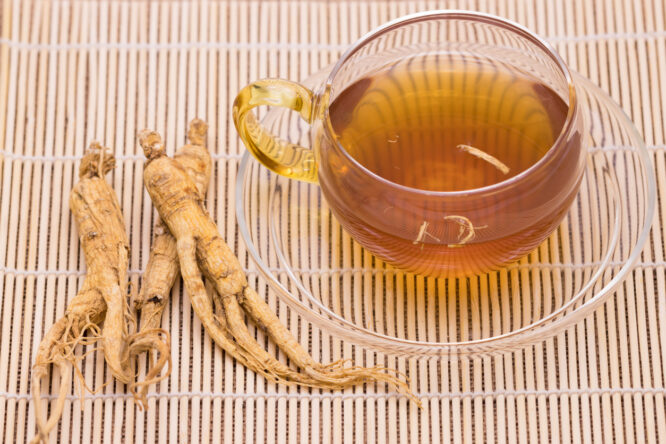
Alongside alcohol-free options, a whole new wave of so-called “functional” drinks has hit the market. These are drinks designed to do more than just taste nice, often containing ingredients said to support relaxation, focus, or gut health. Adaptogens like ashwagandha, reishi and ginseng, along with prebiotics, magnesium and L-theanine, are all popping up on drinks menus aimed at younger consumers.
The appeal is that they offer a similar feeling to having a drink, with something to sip on, something to talk about, and a sense of marking the moment as special, without the alcohol. Whether the wellness claims behind some of them stack up scientifically is another question, but the experience of having something a bit interesting in your hand is a key part of what makes zebra striping feel less restrictive than just drinking water all night.
Of course, “drinking less” doesn’t mean “not drinking.”
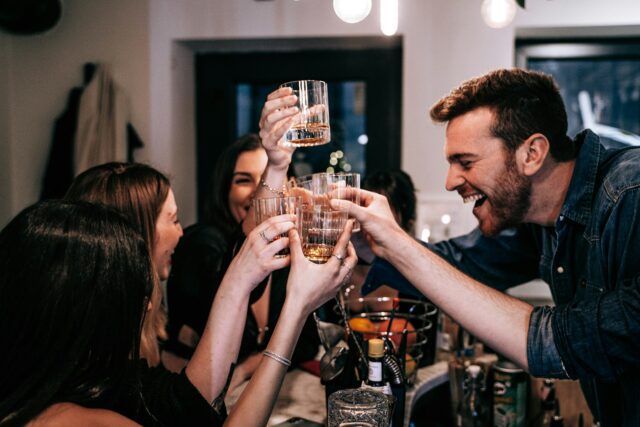
One of the most important things about zebra striping is that it isn’t about giving up alcohol entirely. It’s about being more deliberate with it. Plenty of Gen Z drinkers will still happily order a cocktail or a pint of craft beer when they fancy it. The shift is about quality over quantity, with younger drinkers more likely to spend more on one really good drink than chuck back four cheap ones.
Being more thoughtful also tends to come with paying more attention to what you’re actually drinking. Higher-end spirits, well-made cocktails and craft beers with real flavour are all on the rise, while mass-market cheap booze is quietly losing market share among younger drinkers. The night out is becoming more about the experience than the volume, which is a major cultural change.
The wellness mindset behind the trend makes a lot of sense.

Zebra striping is also part of a much larger move towards what’s often called “mindful” drinking. Tracking your sleep, watching your screen time, being intentional about what you eat and how you exercise have all become normal among younger adults, and drinking is the next thing to be brought into that wellness framework. Apps like Reframe and Sunnyside are helping people log their alcohol intake and gently moderate it, while wearables like Whoop and Oura clearly show how even a moderate night out can hammer your sleep quality and recovery scores.
When you can literally see on your phone how a few drinks knocked your overnight heart rate up, slashed your deep sleep and left you with a higher resting pulse the next morning, the connection between alcohol and feeling rubbish becomes hard to ignore. Zebra striping is one of the simplest answers to all of this, and it doesn’t ask you to give up the social side of going out altogether.
How to give it a go yourself

If you fancy trying zebra striping, the easiest place to start is your next night out. Order your drinks one at a time rather than buying rounds in big batches, and decide at the bar each time whether you fancy the next one to be alcoholic or not. A soda water with lime or a sparkling alcohol-free option fits neatly into the rhythm of a night without anyone really noticing or commenting.
A few small tricks help too. Eat a solid meal before drinking, take a reusable bottle of water with you, and try to finish each non-alcoholic drink fully before ordering the next alcoholic one. By the end of the evening, you’ll have had an enjoyable time, kept your wits about you, spent less money than usual, and given yourself the gift of a Sunday morning that actually feels like a Sunday morning. Once you’ve tried it once, the next-day difference alone is usually enough to make you carry on.